
Last updated November 15, 2026
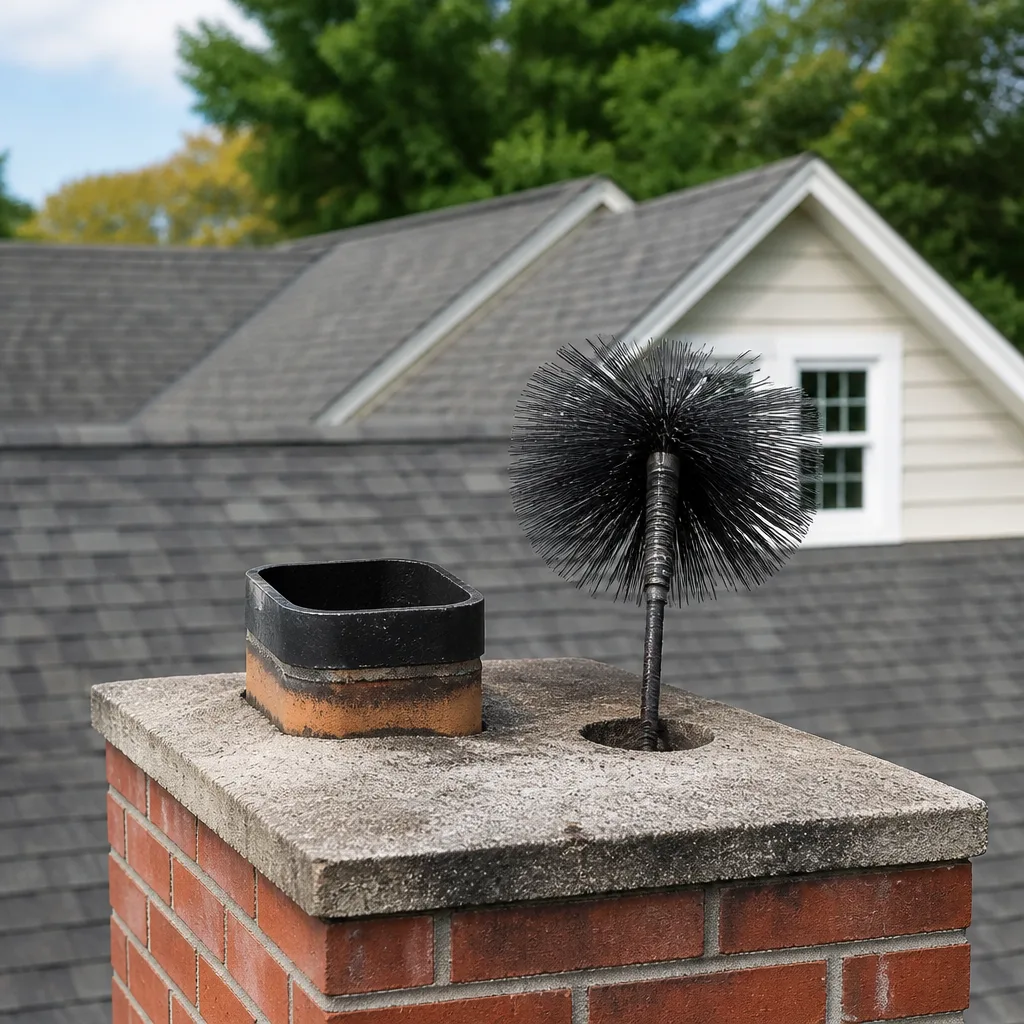 Sweep & inspection
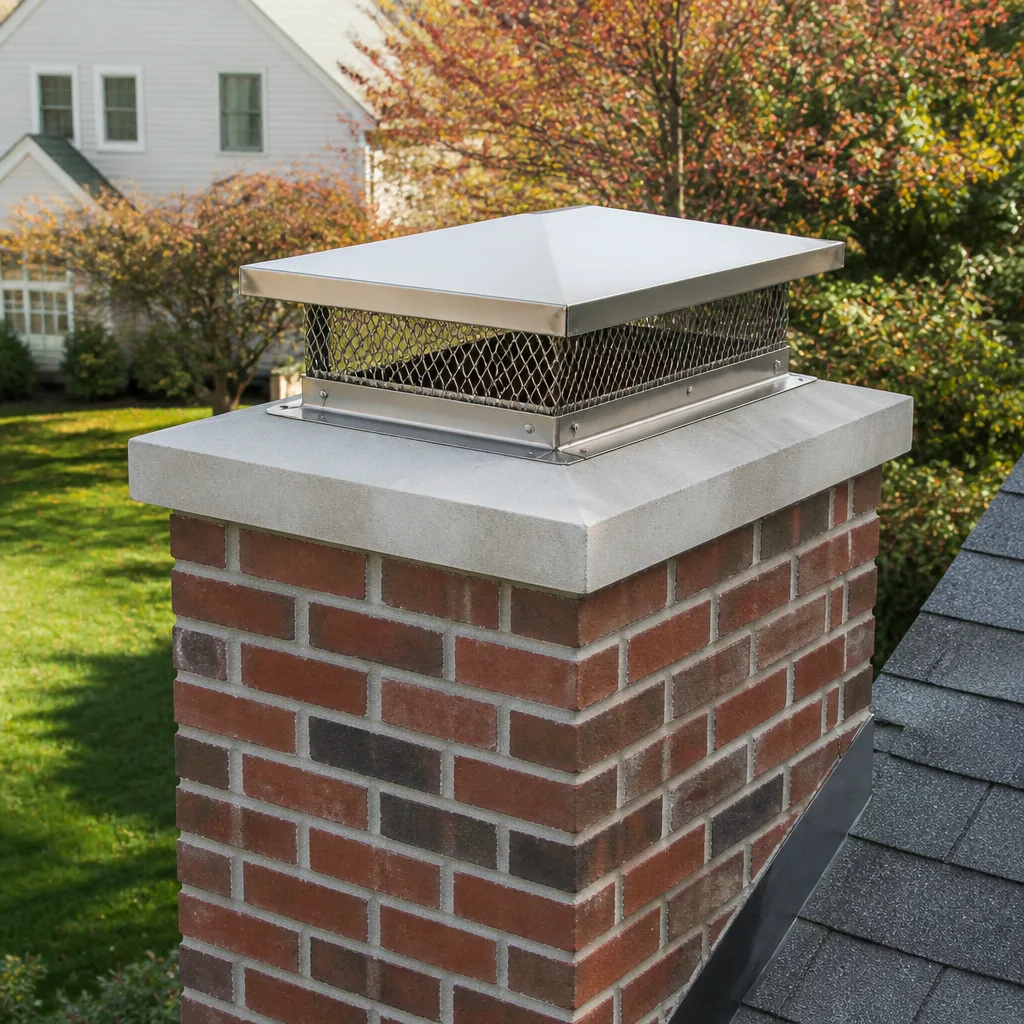 Caps & crowns
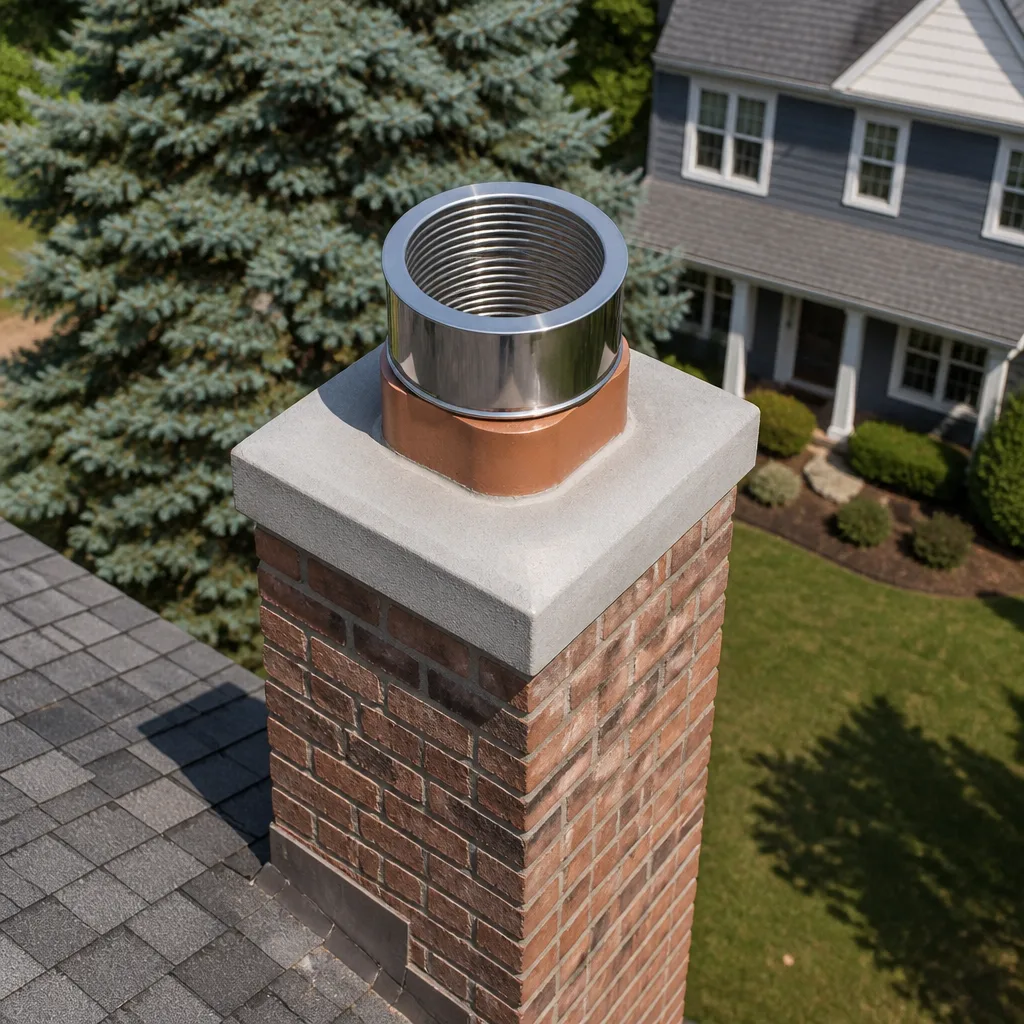 Flue relining
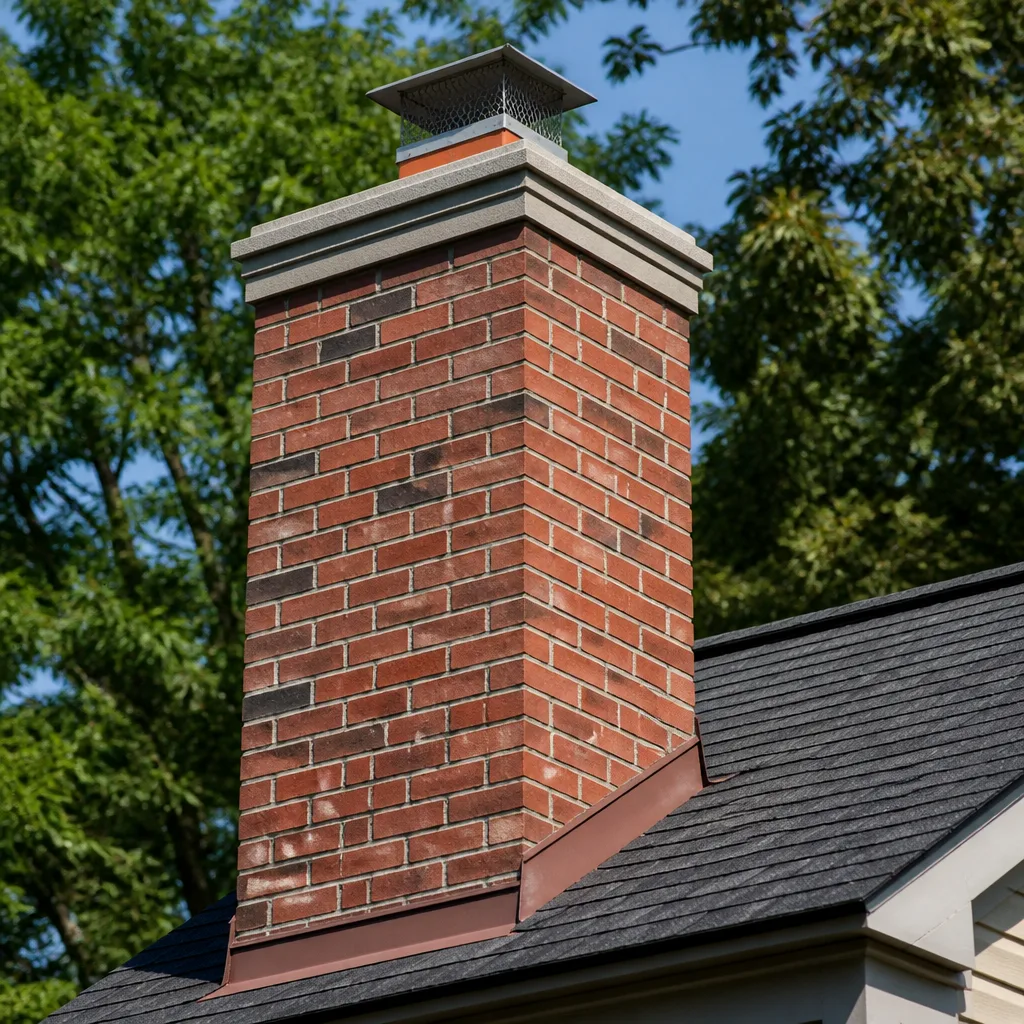 Masonry repair
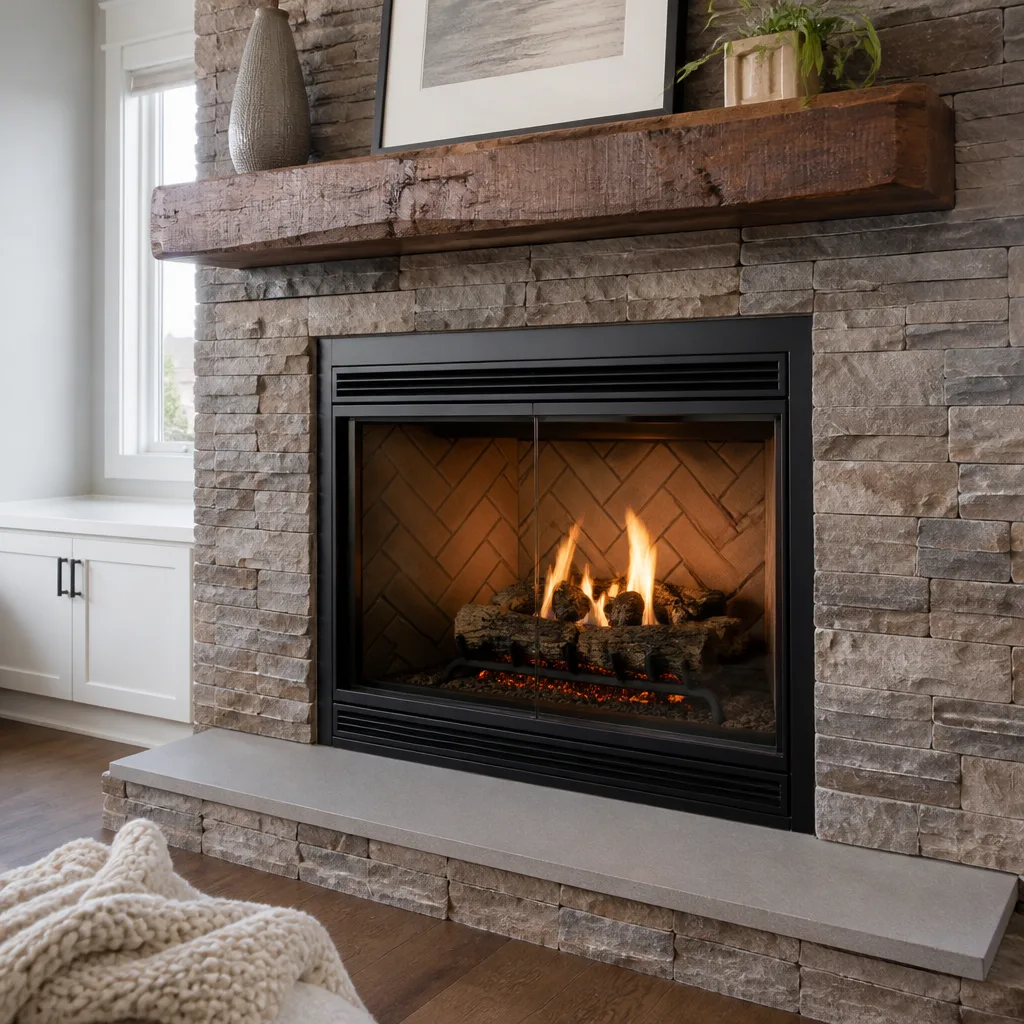 Gas fireplace service
Level 1 sweep and inspection to the NFPA 211 annual standard - flue, crown, cap, and flashing checked and photographed
Chimney sweep logs do not sweep chimneys. They loosen some creosote - which then falls where a brush and vacuum still have to collect it.
How to Hire a Chimney Cleaning Contractor in Coral Springs: A Step-by-Step Guide
Florida does not require a specialty chimney contractor license. Read that again, because it changes how you should shop. The person who quotes your chimney cleaning in Coral Springs may hold nothing more than a general handyman registration, and nothing on their website will tell you. Most homeowners find this out the hard way, or they never find it out at all. This guide teaches you to screen for real qualification signals instead of star ratings: the certifications that mean something, the licensing gray zone and how to work around it, what a written estimate should contain line by line, and the red flags that show up before money changes hands.
Quick Answer
Hire a chimney cleaning contractor in Coral Springs by verifying three things in this order: current CSIA Certified Chimney Sweep status (checkable in the CSIA directory), proof of liability insurance and workers’ compensation sent before the visit, and a written scope of work issued after an on-site inspection rather than a flat rate quoted over the phone. Ask whether the company performs chimney work as its specialty or as an add-on to handyman services, and confirm they carry a camera for internal inspection. A contractor who passes all four checks is worth a higher estimate than one who fails them.
Styles & brands we work with
- Sweep & inspection
- Caps & crowns
- Flue relining
- Masonry repair
- Gas fireplace service
Table of Contents
- Which Credentials Actually Matter in Coral Springs?
- Why Florida’s Licensing Structure Leaves Chimney Work in a Gray Zone
- How Do You Verify a Contractor Before Booking?
- What Should a Written Estimate Contain, Line by Line?
- What Are the Red Flags in a Chimney Quote?
- How Do You Tell a Chimney Specialist From a Generalist?
- What Actually Happens During a Chimney Sweep in Coral Springs?
- How Often Should a Coral Springs Chimney Be Serviced?
Which Credentials Actually Matter in Coral Springs?
Two credentials carry weight in this trade, and they test different things. Knowing what each one covers tells you what the person in your living room has actually proven.
CSIA Certified Chimney Sweep. The Chimney Safety Institute of America certification is the benchmark for sweeping and inspection work. To earn it, a technician passes a proctored exam covering venting principles, the byproducts of combustion, the anatomy of wood-burning and gas appliance systems, and the codes that govern them. The certification requires renewal on a cycle that includes continuing education, so a current listing means the technician’s knowledge has been tested recently rather than once, years ago. The CSIA maintains a public searchable directory, which matters: you can confirm a claim in about ninety seconds without taking anyone’s word for it.
NFI certification. National Fireplace Institute certification is the parallel credential for installation and service work on specific appliance categories, with separate tracks for wood, gas, and pellet appliances. A company that installs or services a gas fireplace insert should be able to tell you who on the team holds the relevant NFI track. This is not a sweeping credential, and treating it as one confuses two different skill sets.
What neither credential does is license the business. Certification is voluntary and belongs to the individual technician. That distinction is the reason the next section exists.
In our experience working Coral Springs homes, the certification question separates two kinds of operation cleanly. A specialist answers it immediately and offers the directory. A generalist changes the subject to price.
Why Florida’s Licensing Structure Leaves Chimney Work in a Gray Zone
Florida licenses contractors by category, and chimney sweeping does not have its own category. There is no state “chimney contractor” license class the way there is for roofing, plumbing, or electrical work. That means chimney service falls into a gap: a company performing chimney repair may be operating under a general or specialty contractor license, or under no license at all if the work is characterized as cleaning. Homeowners have no single state lookup that says “yes, this person is licensed to work on chimneys.”
This is not a reason to give up on verification. It’s a reason to verify differently. The practical checks are:
- Ask which license they hold and for what scope. A legitimate operation answers plainly. Vague answers (“we’re fully licensed”) without a license type are a signal.
- Request a certificate of insurance for both general liability and workers’ compensation, sent directly from the insurer or agent. A PDF the office typed up is not a certificate.
- Confirm the CSIA certification independently through the CSIA directory rather than a badge image on a website. Badges are images. The directory is a record.
- Ask about permits when repair work is involved. Most cities require a permit for structural chimney repair, so ask the contractor who pulls it and ask Coral Springs’ building department what the job requires.
The gray zone is workable, but only if you treat certification, insurance, and permit practice as a package rather than relying on any one of them. A company that clears all three is operating like a professional even where the state has left a gap. One that clears none is relying on you not asking.
How Do You Verify a Contractor Before Booking?
Verification takes about fifteen minutes and one phone call. Do it before you schedule, not after the technician is in the driveway.
- Search the CSIA directory for the company name and the individual technician’s name. Confirm the certification is current, not expired.
- Call the office and ask for the certificate of insurance. Ask that it be emailed to you directly. Check that the policy is current and that workers’ compensation is included.
- Ask how the company is licensed and what the license covers. Note whether the answer is specific or deflective.
- Ask whether the inspection includes a camera. A video scope lets you see the inside of the flue on a screen. If the answer is no, the diagnosis rests on a flashlight and a guess.
- Ask what the written estimate will contain and whether it’s issued after the inspection. Flat rates quoted before anyone has looked at your chimney are the subject of a later section.
- Ask who performs the work. The person on the phone should be able to name the certification held by the technician who will arrive.
None of these questions are hostile. A specialist fielding them is a specialist who has answered them hundreds of times. If a company treats the questions as an inconvenience, that reaction is itself the answer, and it’s better to have it before you book than after.
What Should a Written Estimate Contain, Line by Line?
A proper chimney estimate is a document, not a number spoken in a driveway. In a market where licensing is thin, the written scope is often your only durable record of what was agreed. Here’s what it should contain:
- Your address and the date of inspection. This is the record of when the condition was observed.
- The appliance type and venting configuration the estimate covers. A wood-burning fireplace and a multi-appliance flue system are different jobs.
- The inspection level performed and what was found: creosote accumulation, obstruction, liner condition, crown and cap condition.
- Photographic or video evidence of any defect the estimate proposes to repair. If they can’t show you the problem, the repair is a claim, not a finding.
- Line-item scope for each recommended task, with the specific materials named. “Liner repair” is not a scope. A named product and method is.
- What can safely wait and what shouldn’t. A trustworthy estimate distinguishes the two, because not everything found on an inspection is urgent.
- A stated price per line item and a total, with a clear statement that the written estimate sets the final price.
For repair work, specification-grade materials are the point of the document. We work with DuraFlex liner systems, HeatShield resurfacing, and Gelco caps and venting because those are the products whose performance histories contractors can actually reference. A line item naming a hardware-store substitute tells you what kind of work is coming.
What Are the Red Flags in a Chimney Quote?
Most bad chimney experiences are visible in the quote before any work begins. These are the patterns that should stop the process:
- A flat-rate phone quote before anyone inspects. Chimney condition varies enormously between homes, even on the same block. A number quoted before inspection is a guess dressed as a price, and it usually has room built in for “extras” once the technician arrives.
- Pressure to approve repairs during the same visit. Diagnostics and repair are two separate visits in a properly run operation. Urgency on the same day is a sales technique, not a safety finding.
- No written scope, only a total. If the estimate doesn’t itemize what’s being done and with what materials, you have no way to compare it or hold anyone to it.
- “Your liner is shot, you need a full replacement” with no camera evidence shown. Liner replacement is the largest line item in this trade, which is exactly why it attracts shortcuts. A camera inspection and photo report you can see yourself should precede any liner recommendation. Where liner integrity is compromised, resurfacing with HeatShield can often restore it rather than replace it outright.
- Badge images with no directory listing. Certification you can’t look up is decoration.
- Insurance that exists only as an office-generated document. Ask the agent, not the office.
- No permit discussion on structural repair. Ask your city’s building department what the job requires before you approve anything.
Coral Springs homes with older masonry chimneys and multi-appliance vent systems are where these flags matter most, because that’s where the repair line items get large.
How Do You Tell a Chimney Specialist From a Generalist?
Ask two questions and listen for how the answer is structured. The first: what do you stock on the truck? A chimney specialist names chimney-specific brands and products because that’s the entire inventory. A generalist says “we have everything we need” and means a brush and a shop vacuum.
The second question: what do you do when the liner is damaged? A specialist gives you options with a rationale, including resurfacing where it applies and replacement where it doesn’t. A generalist has one answer, and it’s usually “replace it,” because they’re subcontracting the work out and marking it up. We install from the professional lines – DuraFlex, Copperfield, and others – because those are what the companies performing the work actually specify, and knowing the products is what makes the options real.
A third signal, less obvious: does the company offer inspection as a standalone service? A specialist will, because inspection is a legitimate service that serves real-estate transactions, insurance documentation, and annual safety checks. A company that only offers inspection as a doorway to a repair quote is a sales operation. Ask whether you can book an inspection and stop there. The answer tells you what the inspection is for.
One more: full lifecycle coverage. Sweeping, repair, and inspection handled by the same company means nobody hands your chimney off mid-problem. Handoffs are where small findings get lost.
What Actually Happens During a Chimney Sweep in Coral Springs?
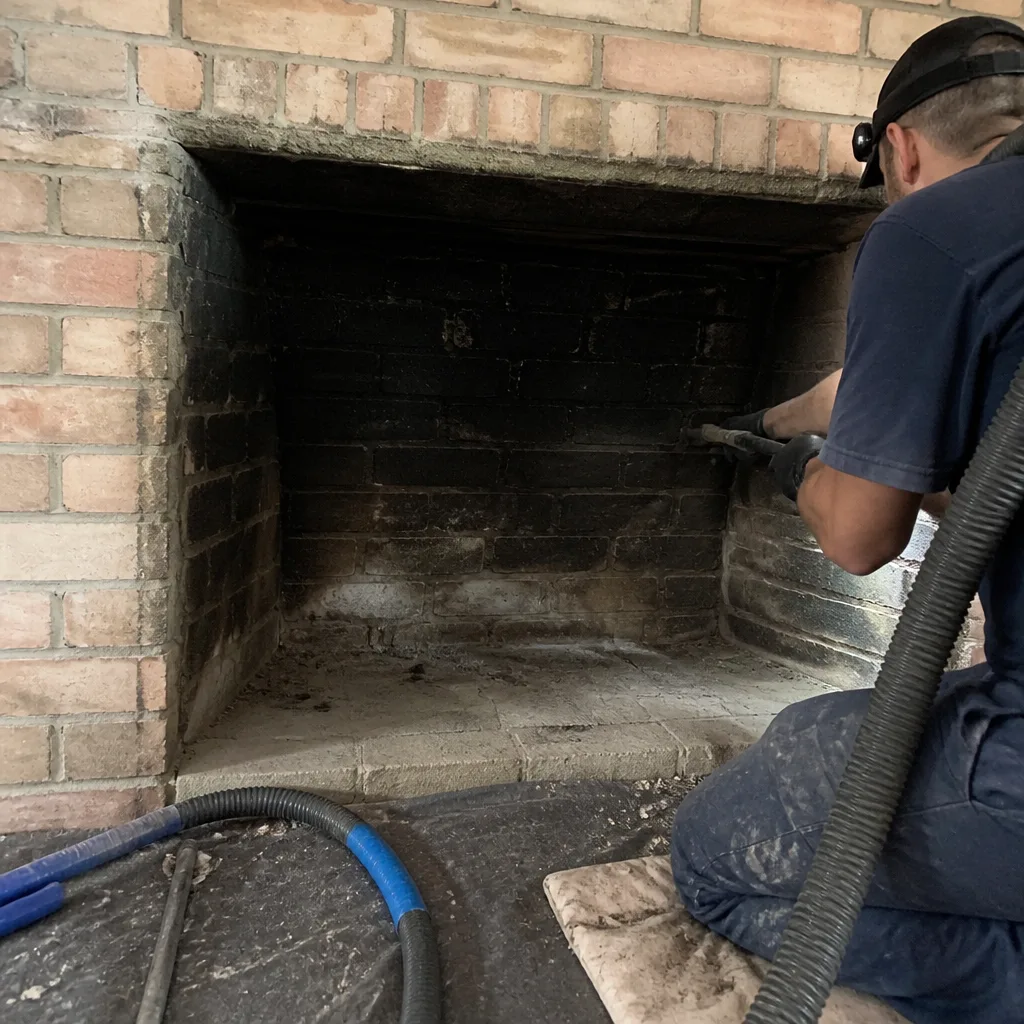
A proper sweep starts with a drop cloth and a look before a single brush comes out. The technician lays protection, checks the firebox and damper, and inspects the flue by camera to see the creosote and any obstruction before cleaning begins. Then the sweep itself, with the right brush for the flue type, followed by a cleanup and a second look to confirm the flue is clear.
What the technician is looking for during that inspection matters as much as the cleaning. South Florida’s mild winters mean many fireplaces run fewer fires per season than in colder parts of the country, which changes the creosote picture: light seasonal use can leave glazed deposits that build slowly and go unnoticed for years, because the appliance gets used lightly and rarely. A homeowner who burns a handful of fires each winter might go several seasons without thinking about the flue. The chimney doesn’t share that schedule.
During a sweep in Coral Springs, the technician is checking the crown for cracking, the cap for damage or missing components, the damper for operation, the firebox for deterioration, and the flue for buildup and liner condition. A cap that’s failed lets water and animals in, and a correctly matched cap is a repair, not a decoration. We install Gelco and Famco caps and venting components for that reason.
Expect a report afterward: what was found, what was cleaned, and what condition the system is in. If a repair is recommended, you should be looking at the evidence on a screen before you decide.
How Often Should a Coral Springs Chimney Be Serviced?
Annual inspection is the general standard, and sweeping frequency depends on use. A fireplace used regularly through the cooler months should be swept based on accumulation, not on a calendar. Heavily used chimneys need more frequent cleaning; lightly used ones still need the annual inspection, because the inspection is what catches liner damage, cap failure, and obstruction that a light user would never notice.
South Florida’s climate creates a wrinkle: the cooling season is long, and a chimney that sits unused for most of the year is still exposed to rain and humidity. Water is the most reliable destroyer of masonry chimneys in this part of the state, and a failed crown or cap lets it in steadily. That’s why inspection matters here even for homeowners who burn a few fires a year.
Before the first cool front of the season is the natural booking window. Schedule the inspection before you need the fireplace, not after you’ve lit the first fire and smelled something you didn’t expect. Our technicians have up to 10 years of experience with the systems found in Coral Springs homes, and we can look at your chimney and tell you exactly where it stands. If you’d like to book a chimney sweep, call (844) 834-5492.
Common Mistakes to Avoid
- Booking the lowest phone quote. In a market without a specialty license, the lowest bid often comes from the least verified operation. A flat rate quoted before inspection is a guess, and the clean-up charges arrive later.
- Trusting a badge image over the directory. Certification claims are checkable in about ninety seconds. Not checking is the mistake, not the trusting.
- Approving repair during the first visit. The inspection and the repair should be separate decisions. Pressure to combine them is a warning sign, not a courtesy.
- Skipping the annual inspection because the fireplace is used lightly. Light use still leaves deposits, and this climate’s rain exposure damages a chimney whether or not a fire was ever lit.
- Accepting “you need a new liner” without seeing the camera. Liner work is the largest line item in chimney repair, and it should never be recommended by voice alone.
- Ignoring the cap and crown. Water damage from a failed cap or crown is the slow, quiet cost in this climate, and it’s easy to miss until it’s expensive.
- Not asking who pulls the permit. Most cities require a permit for structural chimney repair, so ask Coral Springs’ building department and ask the contractor who’s responsible.
See the difference
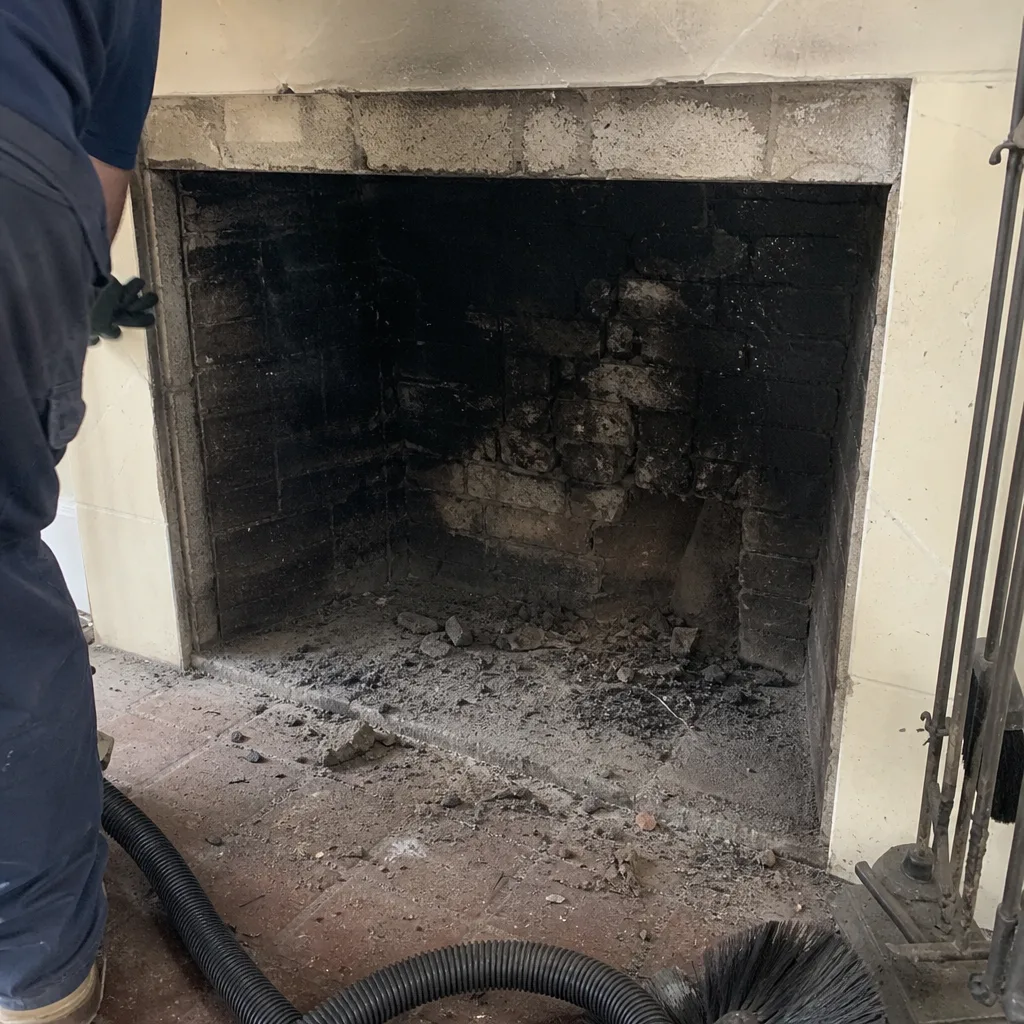 Before
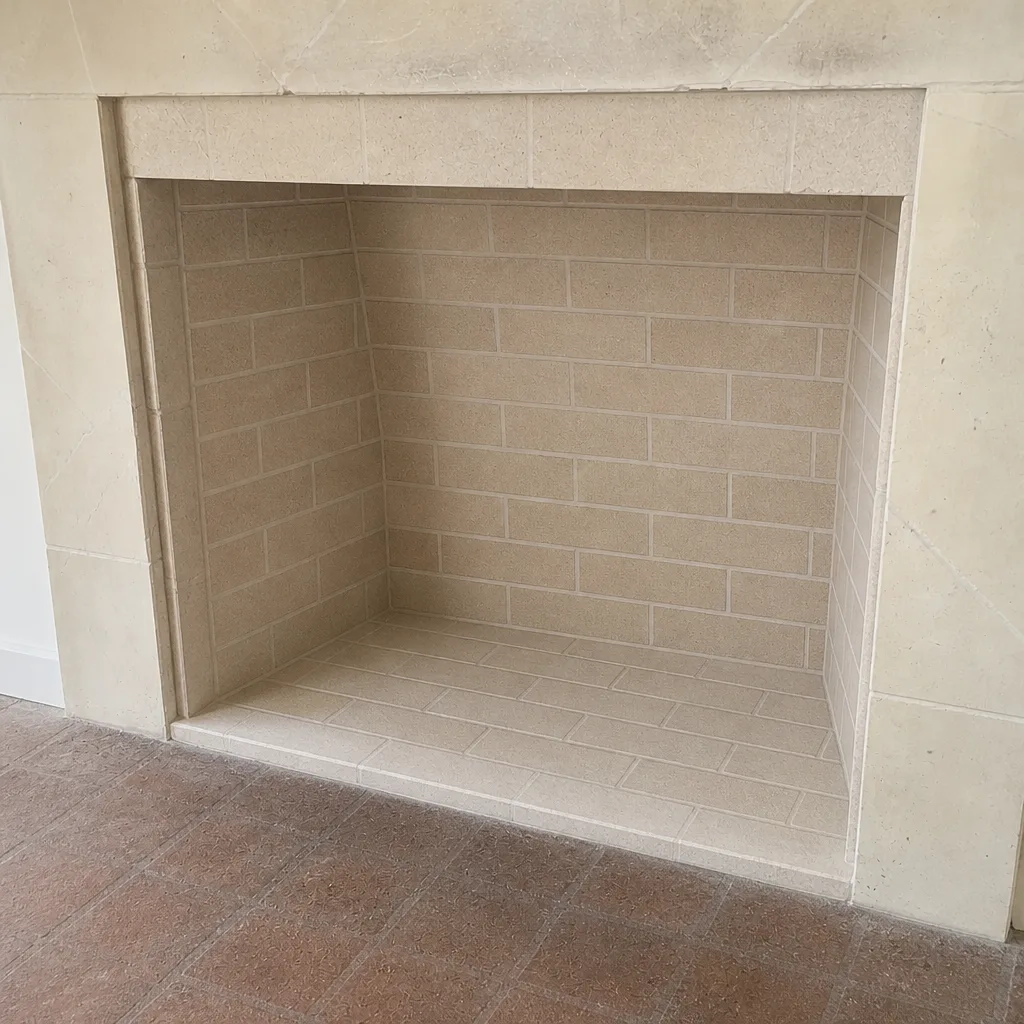 After
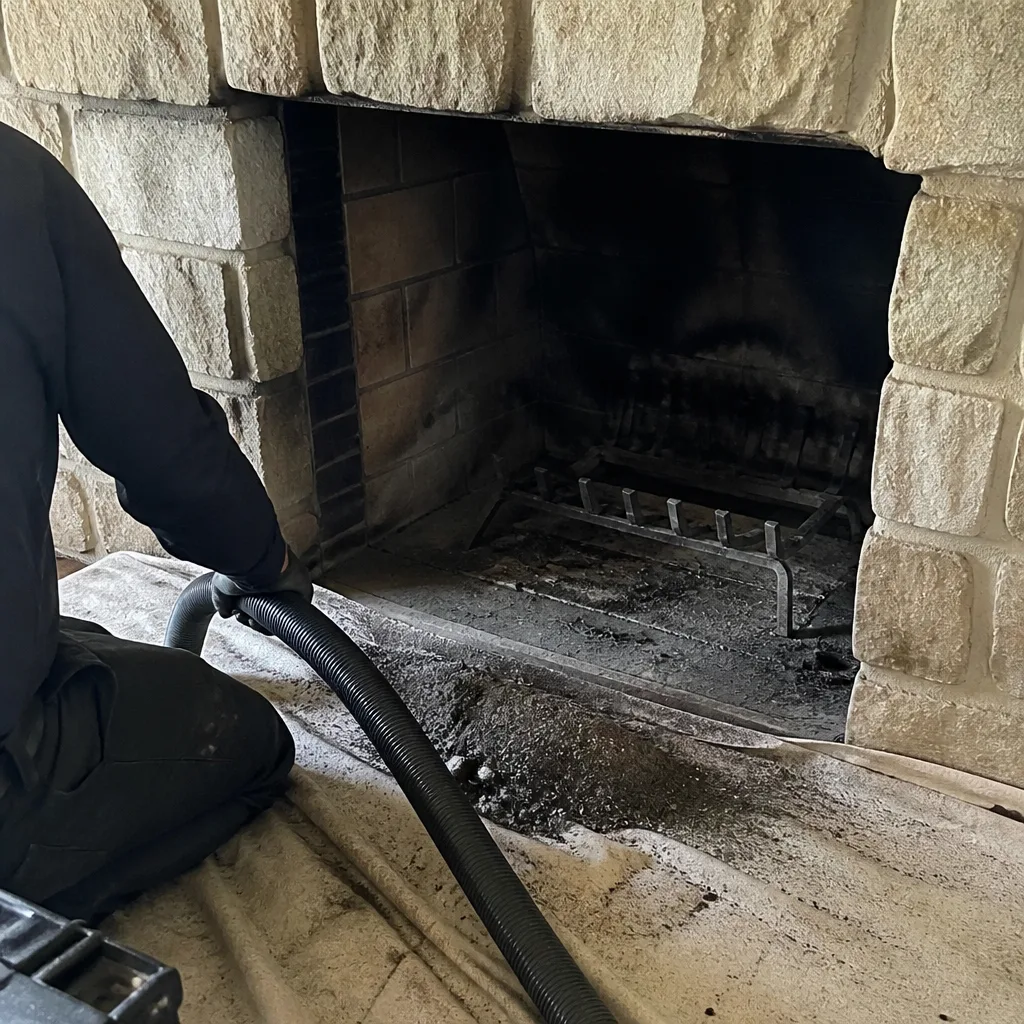 Before
 After
 Before
 After
When to Call a Professional
Call a professional for any of the following: the first fall before you use the fireplace, any indication of a draft problem or smoke backing into the room, visible damage to the crown or cap, a liner question the seller raised before a home purchase, or an insurance requirement for documentation. Call for a formal inspection if you’re selling or buying a home in Coral Springs, because the inspection report is often what closes a contingency. Call for a sweep if it’s been more than a season since the chimney was serviced and you plan to burn. And call if a previous company recommended a large repair and you’d like a camera inspection and a written scope you can actually see. Carrington Chimney Sweep offers free estimates in Coral Springs – call (844) 834-5492. We answer 24/7, with fast dispatch from 7am to 7pm, Sunday through Friday.
Frequently Asked Questions
A typical chimney sweep in Coral Springs is estimated in the low-to-mid hundreds of dollars, with the exact figure set per job by a written estimate after the technician inspects the flue and the appliance. Cost depends on the flue configuration, the creosote accumulation, the appliance type, and whether inspection is bundled with the sweep. Prices are estimates, and the written estimate sets the final price. Call (844) 834-5492 for a free estimate.
Only if the camera inspection shows the liner is compromised, and often you don’t. Where the damage is surface-level, resurfacing with HeatShield can restore the liner’s function without a full replacement, which is a meaningfully smaller job. Ask to see the video of the flue before you approve any liner work, and ask what the alternatives are. A specialist shows you the evidence. Call (844) 834-5492 if you’d like a second look.
Annually for inspection, and swept based on use and accumulation rather than a fixed calendar. A fireplace used through the cooler months may need sweeping every season or two, while a lightly used one still needs the annual inspection to catch liner, cap, and crown problems. In this climate, the rainy season’s water exposure is as much a reason for the annual visit as the creosote. Call (844) 834-5492 to schedule.
Creosote accumulates quietly and stays dangerous, and water damage from a failed crown or cap progresses steadily. A chimney fire or carbon monoxide problem can follow from either, which is why inspection is the simple, low-cost part of the process; a small cap repair now is cheaper than structural work later. Call (844) 834-5492 for an estimate.
No. Florida does not issue a specialty chimney contractor license, so chimney work falls into a licensing gray zone. Verify CSIA certification through the directory, request a certificate of insurance directly from the insurer, and ask about permits on any structural repair. Those three checks are the workable path through the gap. Call (844) 834-5492 with questions.
An inspection is an evaluation: the technician looks at the flue, liner, crown, cap, damper, and firebox and reports on condition. A sweep is a cleaning. They’re often performed together, but they’re different services, and inspection is bookable on its own for real-estate transactions, insurance documentation, or an annual safety check. Call (844) 834-5492 to book either.
The Bottom Line
Hiring a chimney contractor in Coral Springs comes down to verification. Check CSIA certification in the directory, request insurance directly from the insurer, ask which license applies and what it covers, and insist on a written scope issued after an on-site inspection. Walk away from flat phone quotes, same-day repair pressure, and liner recommendations with no camera evidence. A specialist will pass every one of these tests without hesitation, and the difference shows up in the report you get and the work that follows. Call (844) 834-5492 for a free estimate.
Written by the team at Carrington Chimney Sweep.