
Last updated November 15, 2026
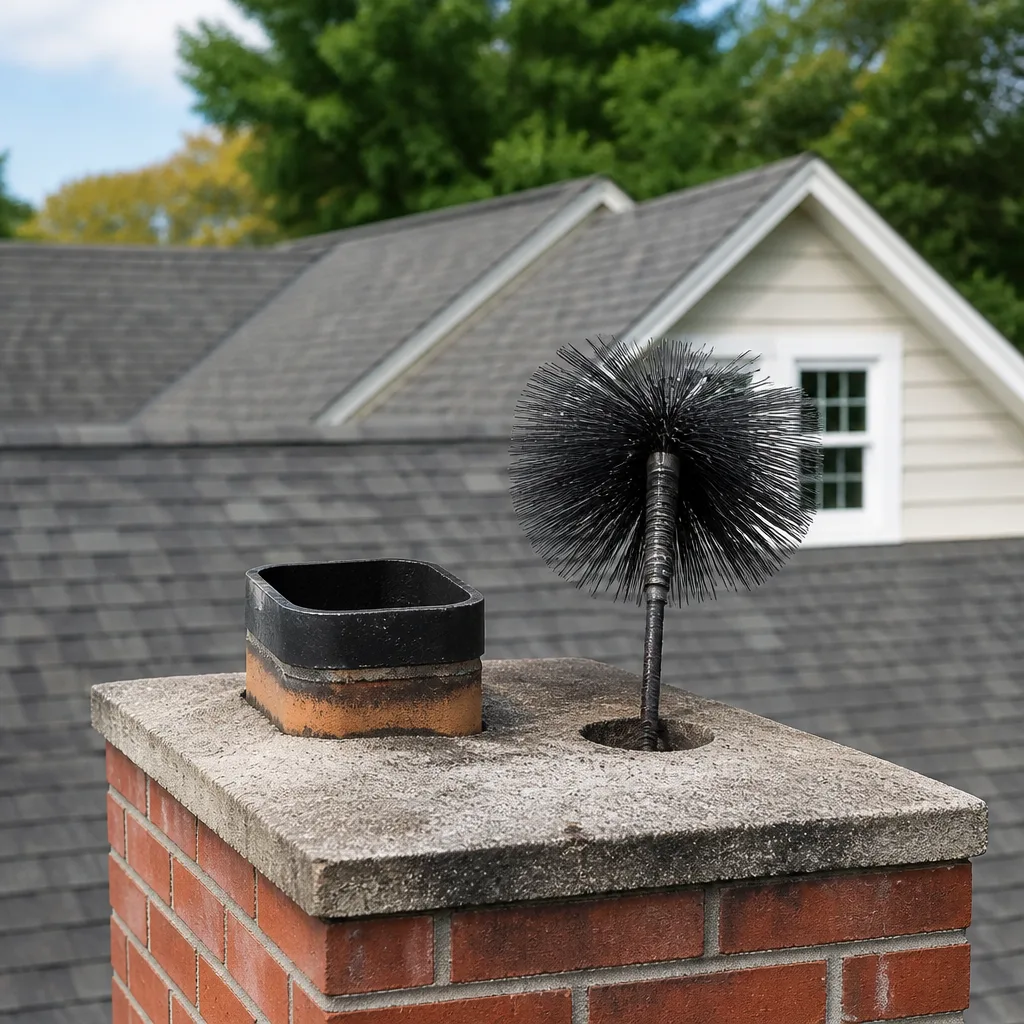 Sweep & inspection
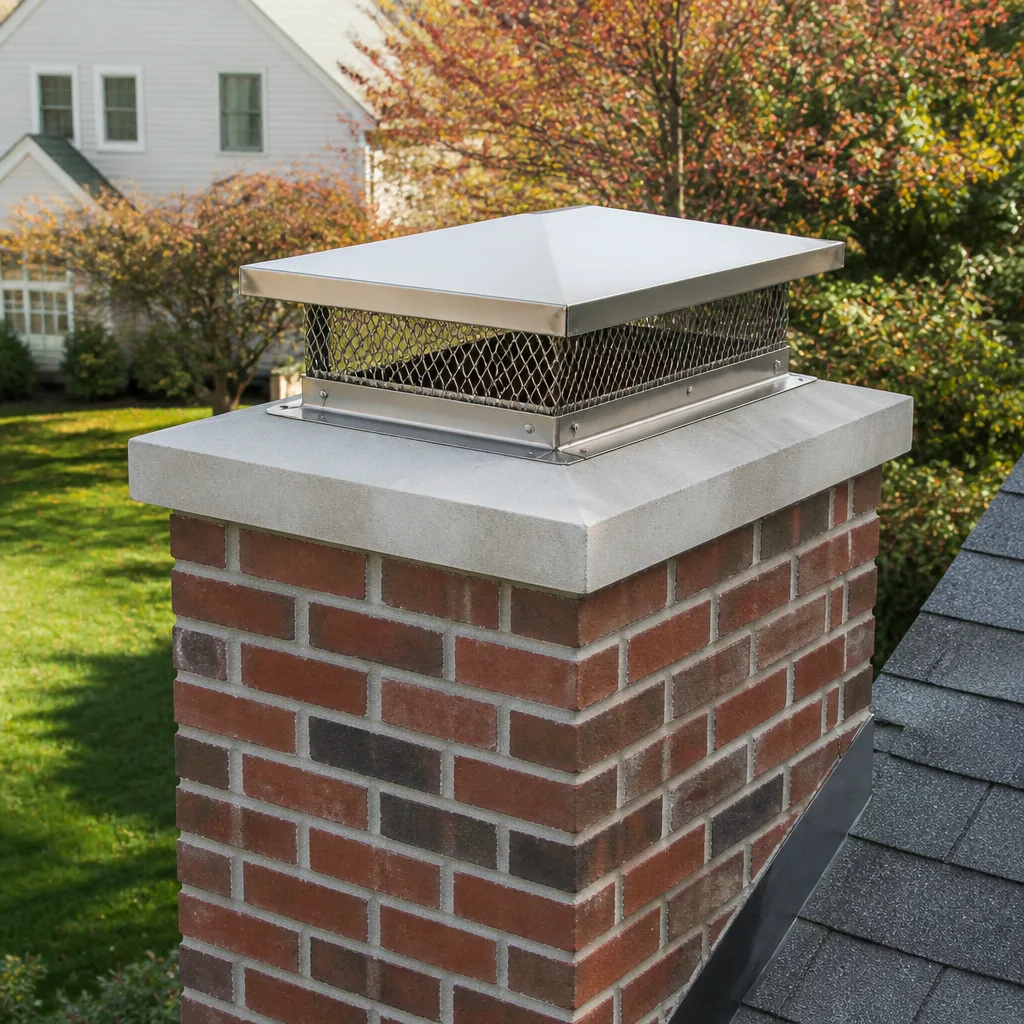 Caps & crowns
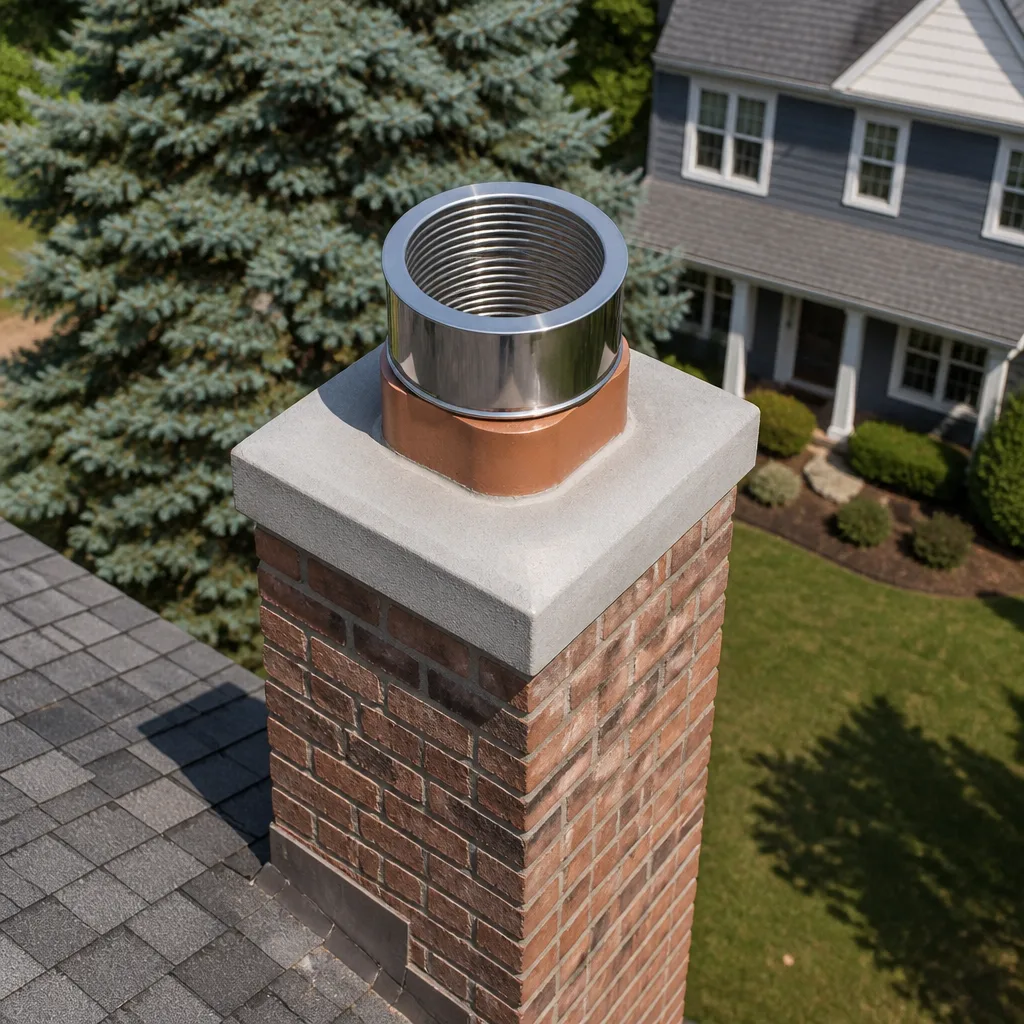 Flue relining
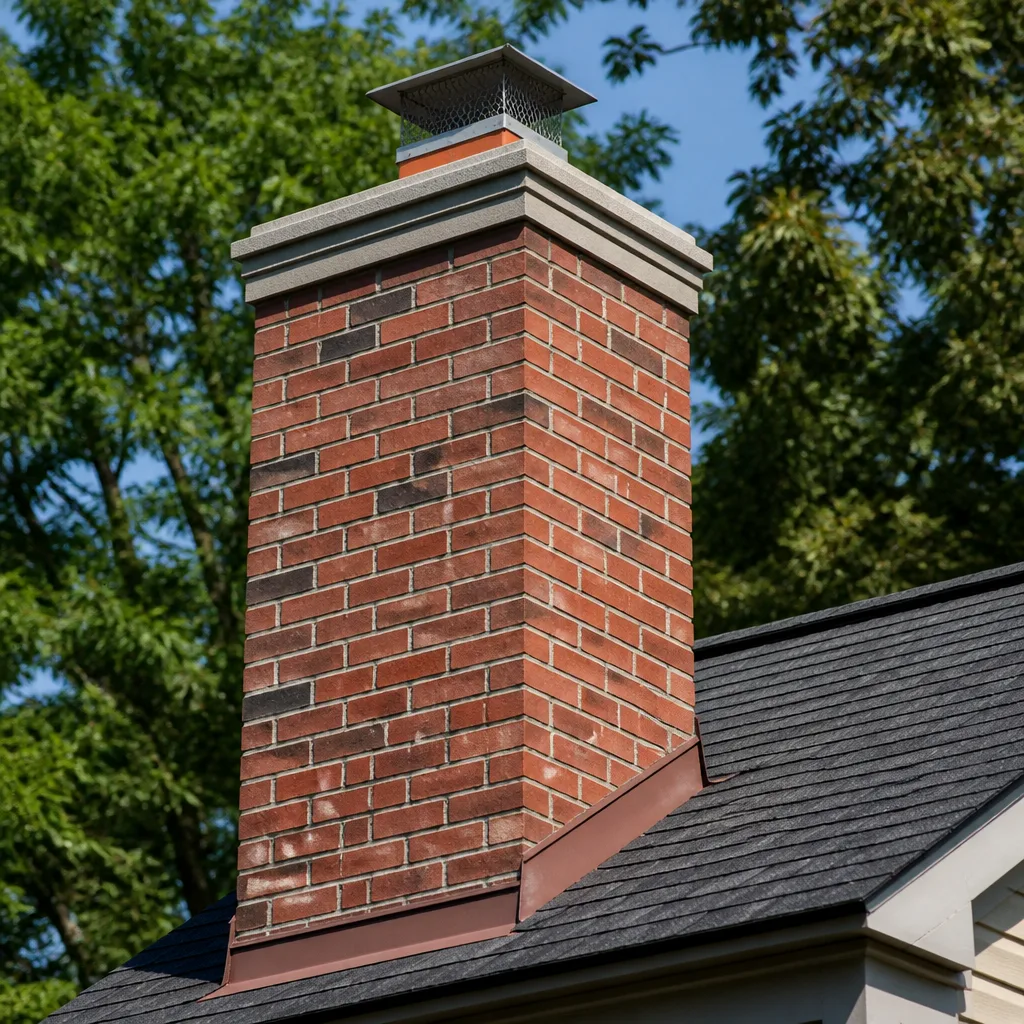 Masonry repair
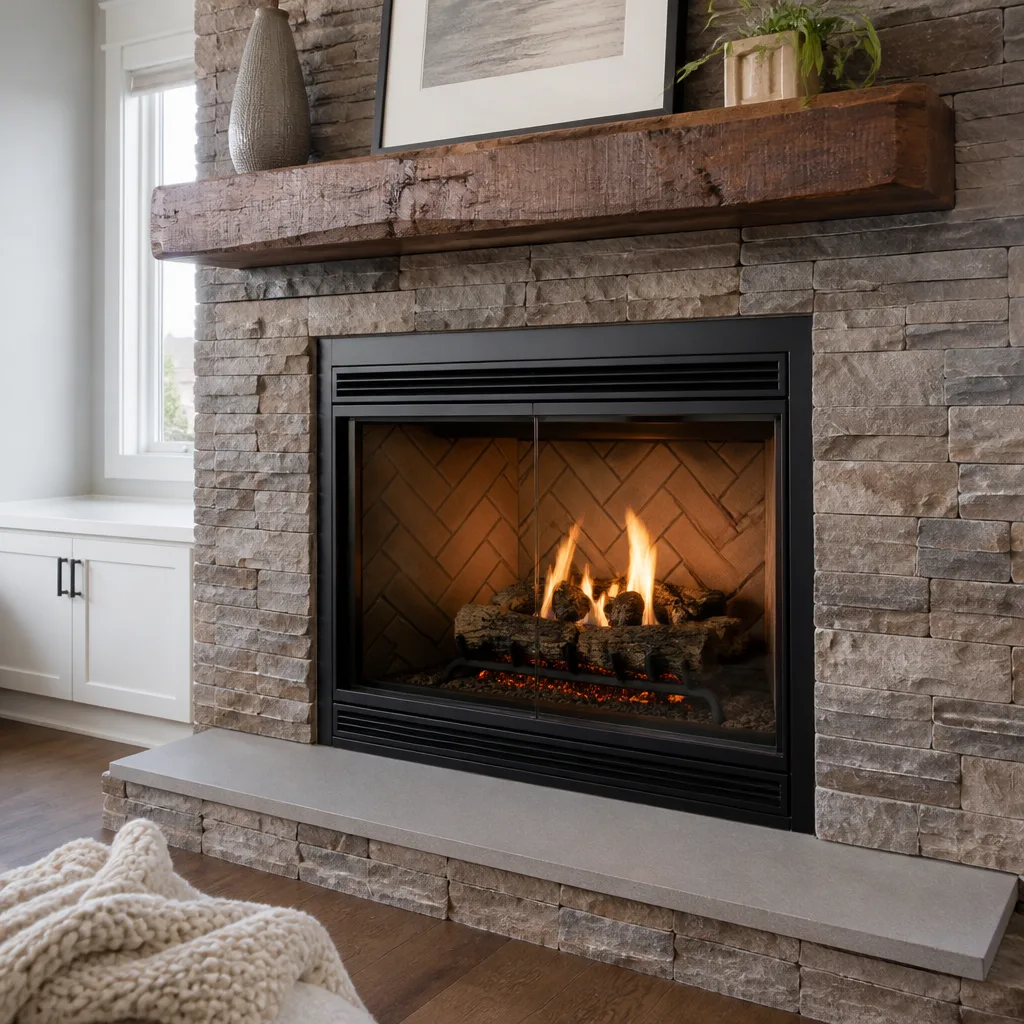 Gas fireplace service
Level 1 sweep and inspection to the NFPA 211 annual standard - flue, crown, cap, and flashing checked and photographed
Chimney sweep logs do not sweep chimneys. They loosen some creosote - which then falls where a brush and vacuum still have to collect it.
Seasonal Chimney Cleaning Care for Coral Springs: Year-Round Homeowner’s Guide
Most chimney care advice you’ll find online was written for places with four distinct seasons, and it shows. Here in South Florida, the calendar that matters isn’t spring, summer, fall, and winter. It’s hurricane season and fireplace season, and the two overlap in ways that national maintenance guides never account for. Schedule your sweep in October, right as the first cool front arrives, and you’re cleaning a flue that just spent five humid months cycling through condensation and biological growth, possibly with storm debris sitting inside it. This guide lays out a different rhythm: a year-round schedule built around Coral Springs weather, the way humidity treats an idle flue, and how to time service visits whether you live here full time or only part of the year.
Quick Answer
In Coral Springs, the best times to service a chimney are late spring, right after the burning season ends and before the wet months set in, and again in late fall, before you light the first fire. Chimney cleaning once a year is the baseline for most homes. A chimney that sat unused through a humid summer should be checked before its first fire of the season, not after, because moisture and storm debris can turn a comfortable flue into a hazardous one.
Styles & brands we work with
- Sweep & inspection
- Caps & crowns
- Flue relining
- Masonry repair
- Gas fireplace service
Table of Contents
- Why Coral Springs Has Two Chimney Seasons, Not Four
- Your Year-Round Chimney Calendar for South Florida
- What a South Florida Summer Does to an Unused Flue
- Why Storm Debris in the Flue Is a Fire Hazard
- Spring Tasks That Protect the Chimney Through the Humid Off-Season
- Snowbird and Vacation-Home Timing
- What Actually Happens During a Sweep and Inspection
- Common Mistakes to Avoid
- When to Call a Professional
Why Coral Springs Has Two Chimney Seasons, Not Four
Chimney maintenance guides written for cold climates assume a simple loop: burn all winter, sweep in spring, rest until fall. That loop doesn’t fit Coral Springs, because the biggest stress on your chimney here doesn’t come from the fire. It comes from the months when there’s no fire at all.
Our year has two dominant calendars. Fireplace season runs roughly from the first genuinely cool evening in late fall through the last one in early spring. Hurricane season runs from June through November, and the heat and rain start well before that. Move between those two and you’ve got a maintenance pattern that looks nothing like the generic “sweep once a year, any time” advice.
Here’s the practical difference. A chimney in a cold climate spends its off-season cold and dry. A chimney in Coral Springs spends its off-season warm and humid, which changes everything about how a flue ages. Warm, damp air inside a capped chimney encourages condensation on interior surfaces and gives mold, mildew, and insects a comfortable place to settle. When the fireplace is capped or unused for five months, that trapped moisture has nowhere to go.
That’s why we tell Coral Springs homeowners to think of their chimney as having a wet season and a dry-burn season rather than a winter and a summer. The service rhythm follows the weather, not the page of a calendar. A flue that was fine at the end of March can look very different by the middle of October, and the difference isn’t visible from the living room.
If you understand those two cycles, the rest of this guide is easier to use. Everything else flows from one idea: your chimney needs attention at the transitions, not in the middle of either season.
Your Year-Round Chimney Calendar for South Florida
A year-round schedule for a Coral Springs chimney has four checkpoints. Each one lines up with a real change in weather or usage, so the work you do in each window actually protects the flue through the months ahead.
The four anchor points
- April – end of burning season. This is the ideal window for a full sweep and inspection. You’ve finished the heaviest fire use, the chimney is still dry-ish, and you’re ahead of the summer rains. You want a clean flue going into the humid months, not a season’s worth of creosote sitting inside it absorbing moisture. Cap and flashing checks also happen here.
- May – pre-hurricane prep. Before the peak of storm season, you want the exterior looked at. A loose cap, a failing crown, or a crack in the flue can drop or leak when a tropical system moves through. This is preventive, and it’s the cheapest time of year to catch a small exterior problem.
- October – post-storm inspection. After the riskiest stretch of the season has passed, it’s worth confirming no damage occurred. Wind-driven rain, limbs, and debris don’t always announce themselves. A quick inspection here confirms the flue is intact and clear before the first fire.
- November – pre-use cleaning. Before the first fire of the season, you want a final check and, if it’s been more than a year, a fresh sweep. This is the appointment that protects the first night.
Where a once-a-year home lands on this calendar
Most Coral Springs homes only need one sweep per year, plus a lighter inspection cycle. If you’re going to pick one date, aim for fall, before the first burn. That positions you to clean out a summer’s worth of humidity effects and storm debris before they meet an open flame. The spring sweep is the cleaner option for people who want their flue stored dry through the wet months.
- Burn lightly, one or two fires a week: one sweep per year, typically in fall, plus an inspection.
- Burn regularly through the season: sweep in spring and check again in fall.
- Chimney used for a stove or multiple appliances: annual inspection is essential, because those systems have more components that can fail quietly.
Whichever window you choose, the point is to catch the flue at a transition, not in the middle of heavy use. Coral Springs’ climate rewards that habit more than a cold-climate town’s does.
What a South Florida Summer Does to an Unused Flue
This is the part of chimney care that national guides leave out entirely. In Coral Springs, your chimney sits unused through months of warm, humid air, and that’s not a neutral condition. It’s an active process, and it shapes what you find in October.
Condensation cycling
Temperatures inside a capped flue swing between day and night. Warm humid daytime air holds moisture; overnight cooling lets some of it condense on the flue walls, and morning warmth can re-evaporate it. That cycle repeats across the whole humid season. Over time it leaves flue surfaces damp for long stretches, and that’s where trouble starts.
Biological growth
Warm, damp, dark, and low-airflow is a fine recipe for mold, mildew, and fungal growth on interior surfaces, particularly around the smoke chamber and any organic debris that collected over the previous season. The smell of a musty chimney is often exactly that. It’s not dangerous by itself, but it signals a flue that hasn’t been cleaned or ventilated properly.
Animal intrusion
A capped chimney is better protected, but caps don’t stop everything. Birds, bats, and other small animals look for warm, dry, sheltered spots, and an uncapped or partially failed cap offers one. Nests are combustible, and they can also block the flue. In our experience, the October inspection in Coral Springs regularly turns up nesting material, insects, and small debris that accumulated while the fireplace was idle.
Add all three together and the case for a pre-season check becomes obvious. A summer is not a rest period for the chimney; it’s an active one, and the results show up when you light the first fire. October is the natural moment to see what the season did.
Why Storm Debris in the Flue Is a Fire Hazard
A flue doesn’t have to look blocked to be dangerous. That’s the trap with storm debris, and it’s why “the fireplace worked fine last year” is not a reason to skip an inspection.
After a storm has moved through, small debris gets onto the cap, into the flue, and onto the smoke shelf. That includes twigs, leaves, palm fronds, roofing grit, and everything wind carries. Most of it doesn’t fall to the bottom. It catches on ledges, screens, and offset flue sections and stays there. From the fireplace opening, the flue may look clear.
Here’s what happens when that same flue meets a fire:
- Debris can catch and burn inside the flue, and that means heat in a place that isn’t designed for it.
- Even if the debris doesn’t ignite, it narrows the flue, and a narrowed flue doesn’t pull smoke the way it should.
- Partially blocked flues send smoke and combustion gases back into the room, and carbon monoxide is among those gases.
- Wet debris inside a flue can char in place and produce smoke problems long after it’s dry.
A flue that drew perfectly last winter can draw poorly after one storm. The fire didn’t change; the flue did. This is the strongest argument in our experience for a post-storm inspection before the first fire of the season. It’s the one moment in the year when something can have changed quietly and the fireplace still looks fine from the sofa.
If you’re noticing smoke coming back into the room, or a fire that’s harder to start than it used to be, don’t push through it. That’s the moment to book a check on your chimney sweep and have the flue looked at from the inside.
Spring Tasks That Protect the Chimney Through the Humid Off-Season
The spring service visit is the one Coral Springs homeowners skip most often. It’s also the one that protects the chimney through the months when it can’t protect itself. Here’s what to arrange, and why it matters.
Cap and crown inspection
The cap and crown are the chimney’s weather shield. A copperfield-style cap or a properly fitted venting cap keeps rain out. If the crown has a hairline crack or the cap has loosened, the summer rains will find that. A spring check now is cheaper than interior damage later in August.
Flashing check
Where the chimney meets the roofline, flashing is what keeps water from getting underneath and into the attic. Summer storms test it. A spring look at the flashing gives you time to fix anything that’s pulling away or corroding before the biggest rains arrive.
Exterior masonry and joint check
Expand and contract through heat and rain is normal, and it can open joints over time. Catching a joint issue in April means it can be addressed before water gets inside. Skip it and the next wet season tests it for you.
Sweep, then store it dry
A spring sweep clears the creosote that builds up over the burning season. That matters for the summer because creosote sitting on a damp flue surface stays damp longer, and leftover fuel material on interior surfaces is an invitation to biological growth and small-pest activity. Sweep off the season’s residue in spring and the flue goes into the wet months clean.
Together, these tasks form the spring checklist that protects the chimney through the humid off-season. In our view, it’s the most overlooked part of the Coral Springs maintenance cycle. Homes that get it don’t have to play catch-up in October.
Snowbird and Vacation-Home Timing
Coral Springs has a substantial population of part-time residents, and that changes the right timing for chimney service. If you’re only here during the cooler months, the “sweep in October” advice works fine, but the “inspect in April” step needs to be scheduled differently, because you may not be around to do it.
Here’s how we think about it for vacation-home owners:
- Before you leave in spring: book the sweep and inspection before you close up the house. This is the single most valuable appointment for a part-time resident, because it lets the flue go into the humid season clean and clear. It also gives you documentation if anything goes wrong while you’re away.
- Before you return in fall: book a quick check right before you arrive, or the first week you’re back. After a summer away, the chimney has been through the whole humid season unwatched, and it hasn’t been able to tell anyone about it.
- If you rent the home out in summer: schedule a check when the property is empty between tenancies, and treat the post-storm inspection (October) as non-negotiable.
- If you use an inspection for any official purpose: a formal chimney inspection can be booked on its own, suitable for real-estate transactions, insurance documentation, or annual safety compliance. That’s worth knowing if you’re selling or updating coverage while you’re away.
The key idea is to book service around your presence in the home, not around the calendar ideal. A sweep while you’re here beats a perfect-timing sweep you’ll miss. We work with a lot of part-time residents in Coral Springs for exactly that reason, and the schedule that works best is the one that matches the owner’s travel, not a generic recommendation.
What Actually Happens During a Sweep and Inspection
Knowing what the appointment involves is the best way to judge whether a chimney company knows what it’s doing. Here’s what a proper sweep and inspection looks like for a Coral Springs home.
- We set up a clean work area. Drop cloths go down around the hearth, and we protect the room before any tools come out.
- We inspect from the outside first. Cap, crown, flashing, and masonry are checked before we touch the interior. That way, anything visible on the exterior is already part of the picture.
- We sweep the flue with the right brushes for the liner type. Chimney materials vary, so the tooling matters.
- We check the firebox, smoke chamber, and damper. These are the parts that often show the first signs of a problem.
- We confirm the flue is clear and pulling correctly. A proper check includes a genuine look down the flue, not just a visual from the firebox.
- We flag anything the inspection turned up, with a clear explanation. If a repair is recommended, it’s for a reason we can show you, not because it’s on a checklist.
Materials that make the difference
A chimney repair is only as good as what goes into it. The professional product lines used in proper repairs, such as DuraFlex liner systems, HeatShield resurfacing, Famco venting, and Copperfield components, have documented performance histories. They’re what certified chimney engineers specify for a reason. For repairs where a full reliner isn’t necessary, HeatShield resurfacing can restore liner integrity without replacement, and it’s an option worth asking about if a company proposes a reliner straight away.
When we quote a repair for you, the components are matched to the flue, not pulled from a generic bin. That’s the difference between a fix and a patch.
Common Mistakes to Avoid
Homeowners in Coral Springs tend to make the same handful of seasonal mistakes. Here’s what to watch for.
- Treating October as a fresh start instead of the end of a check. A sweep in October is smart, but it’s not a substitute for the spring sweep and the post-storm inspection. Waiting to see the flue for the first time all year is a habit that turns small problems into expensive ones.
- Assuming a cap means “sealed.” A cap is protection, not a guarantee, and it can fail. Rain-driven wind finds the gap. Book a spring cap check rather than assuming yours is fine because it was fine last year.
- Skipping the check after a storm because the fireplace looks fine. The fireplace looking fine from the sofa is not evidence. Debris caught in the flue isn’t visible from the room, and a partially blocked flue can still light a fire.
- Booking only the fall sweep and skipping the spring one. This is the most common Coral Springs mistake. The flue faces its toughest five months without any attention, which means you’re paying for the seasons most likely to reveal problems.
- Assuming a humid flue is fine because it’s not raining inside. The damage from a humid off-season doesn’t announce itself. Condensation cycling and biological growth happen quietly and only show up when you look.
- Taking a quote for a reliner without asking about a resurfacing option. A full reliner isn’t always the right call. A resurfacing product like HeatShield can restore integrity without a full reliner for the right kind of liner damage, and it’s worth asking about.
- Waiting for “symptoms” before scheduling the yearly sweep. The best time to book a chimney service is when the fireplace is still working fine. Waiting for smoke, smell, or a struggling fire means you’ve already had the failure you were trying to avoid.
When to Call a Professional
Some chimney work is a booking. Some is a call. It’s worth knowing the difference.
Book a sweep and inspection when the flue has been idle for months, when you’ve just closed out a burning season, when you’ve had a storm with measurable debris, or when it’s simply been a year since the last service. Those are the routine moments.
Call sooner if you notice smoke coming back into the room, a fire that’s suddenly hard to start, a chemical or musty smell coming from the fireplace when it’s not in use, visible damage to the cap or flashing, or any sign of water inside the chimney. Those are the signs that point to something the flue has been telling you and you may not have seen.
If you’re buying or selling a home in Coral Springs, or you need documented inspection for insurance purposes, a formal chimney inspection can be booked on its own. If you manage a rental property, the post-storm check is worth scheduling every year, because you don’t have a regular occupant noticing the changes.
Carrington Chimney Sweep offers free estimates in Coral Springs. Call (844) 834-5492. We answer 24/7. Fast dispatch from 7am to 7pm, Sunday through Friday. Our technicians have up to 10 years of experience, and the estimate is free and set per job by the written estimate.
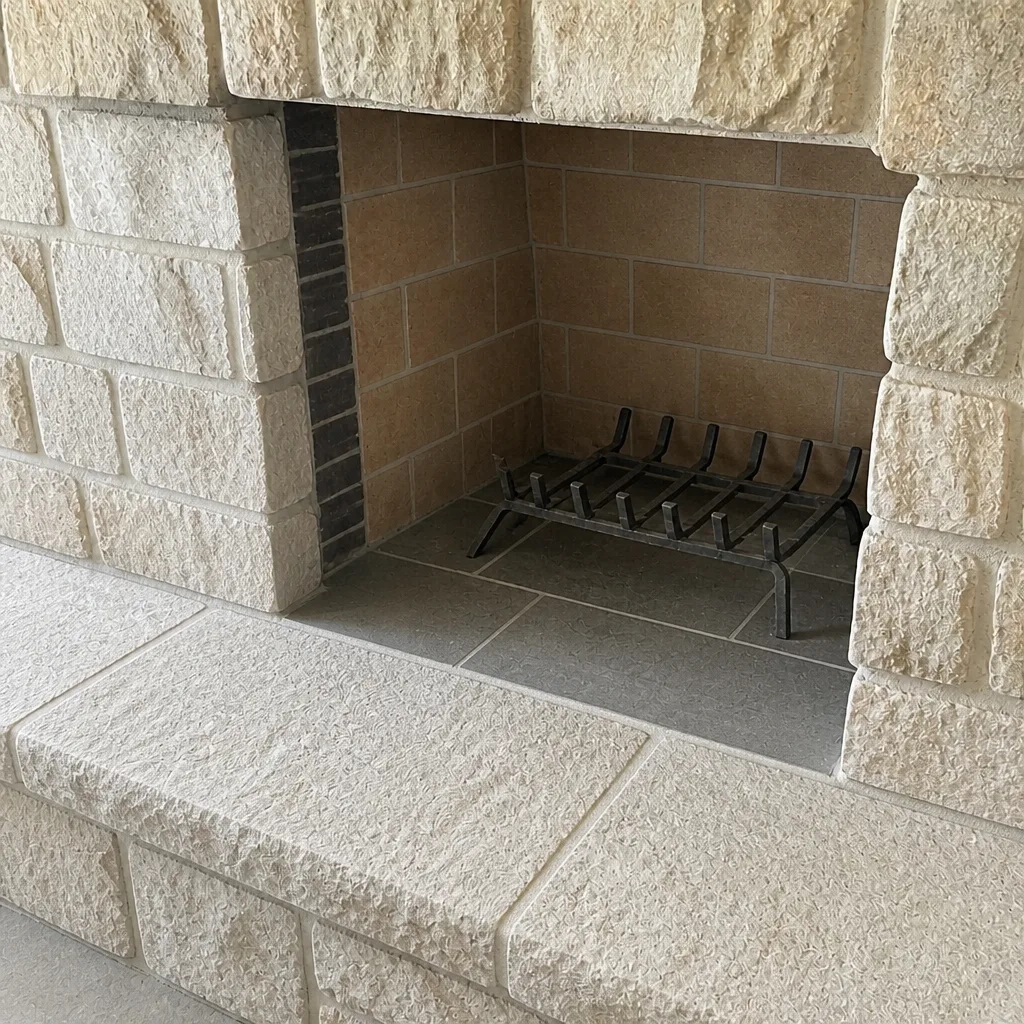
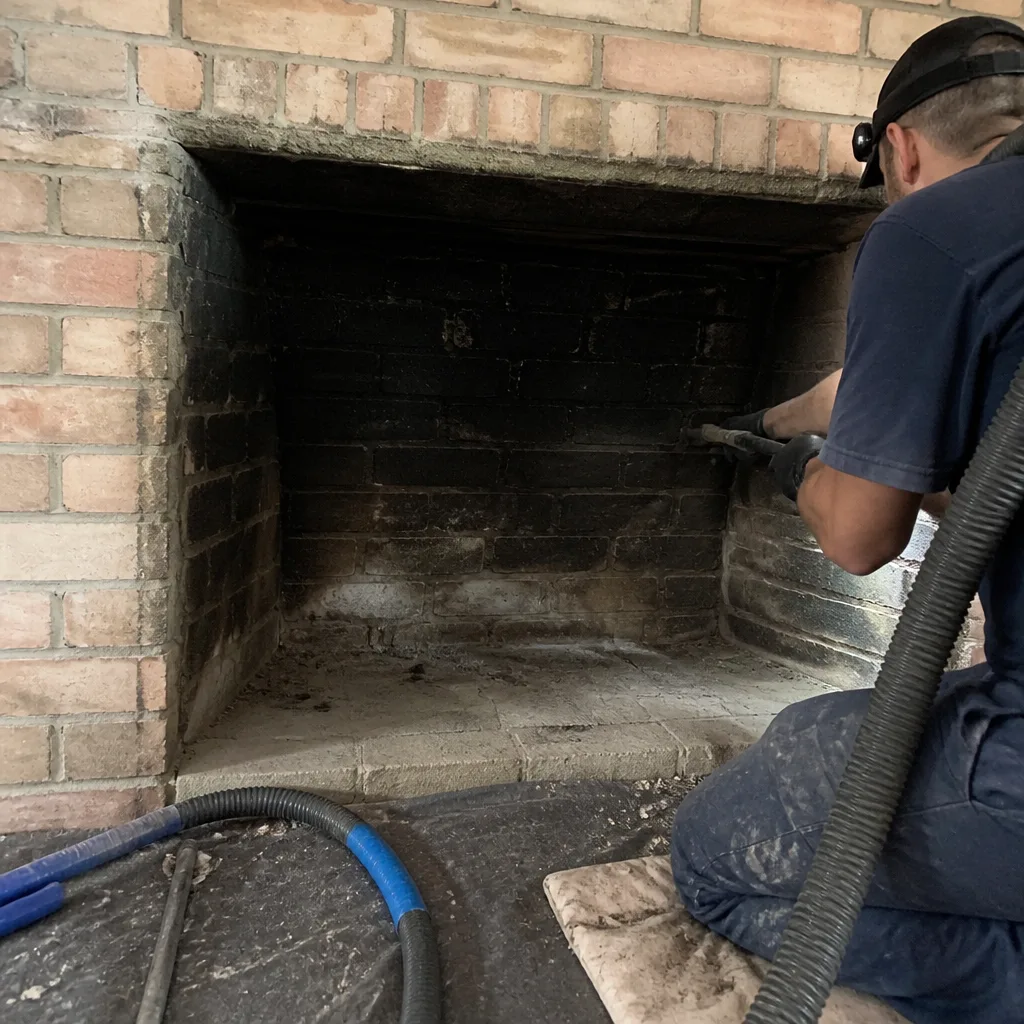
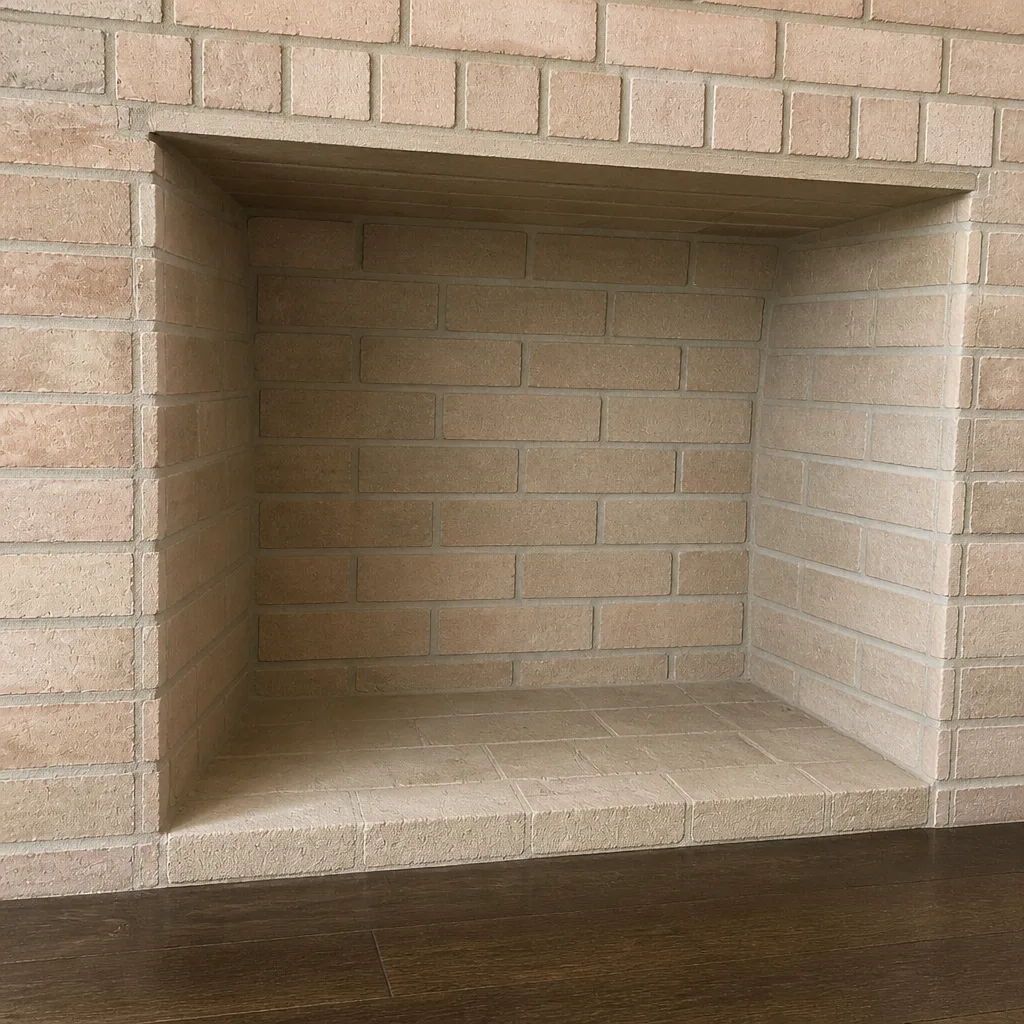
See the difference
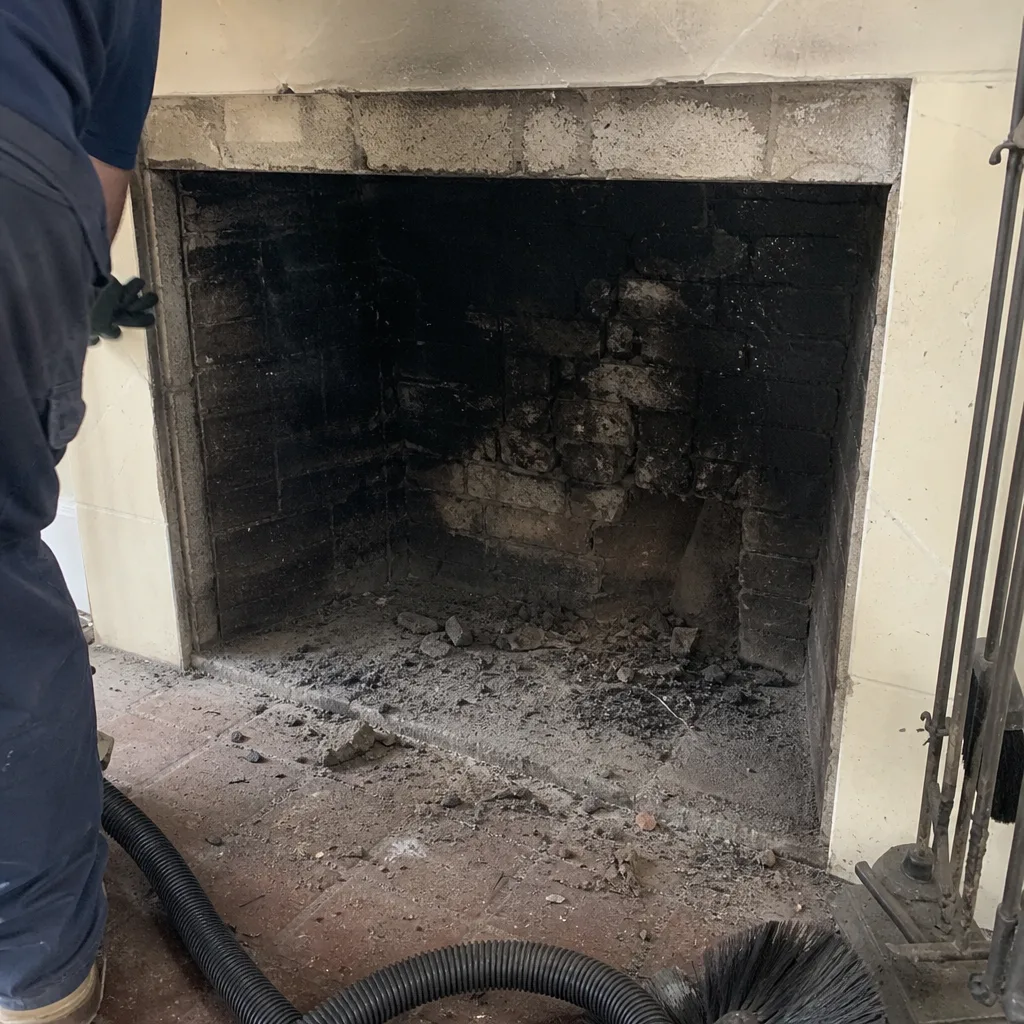 Before
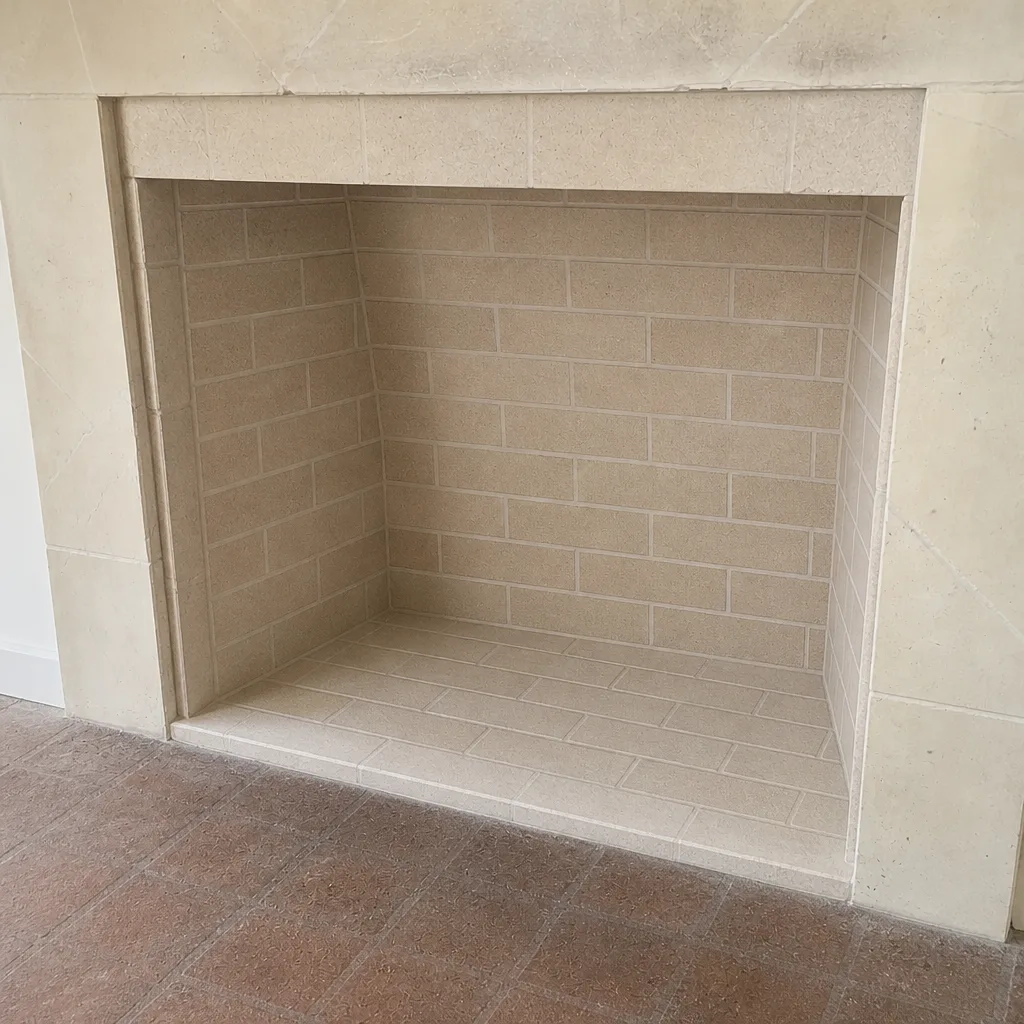 After
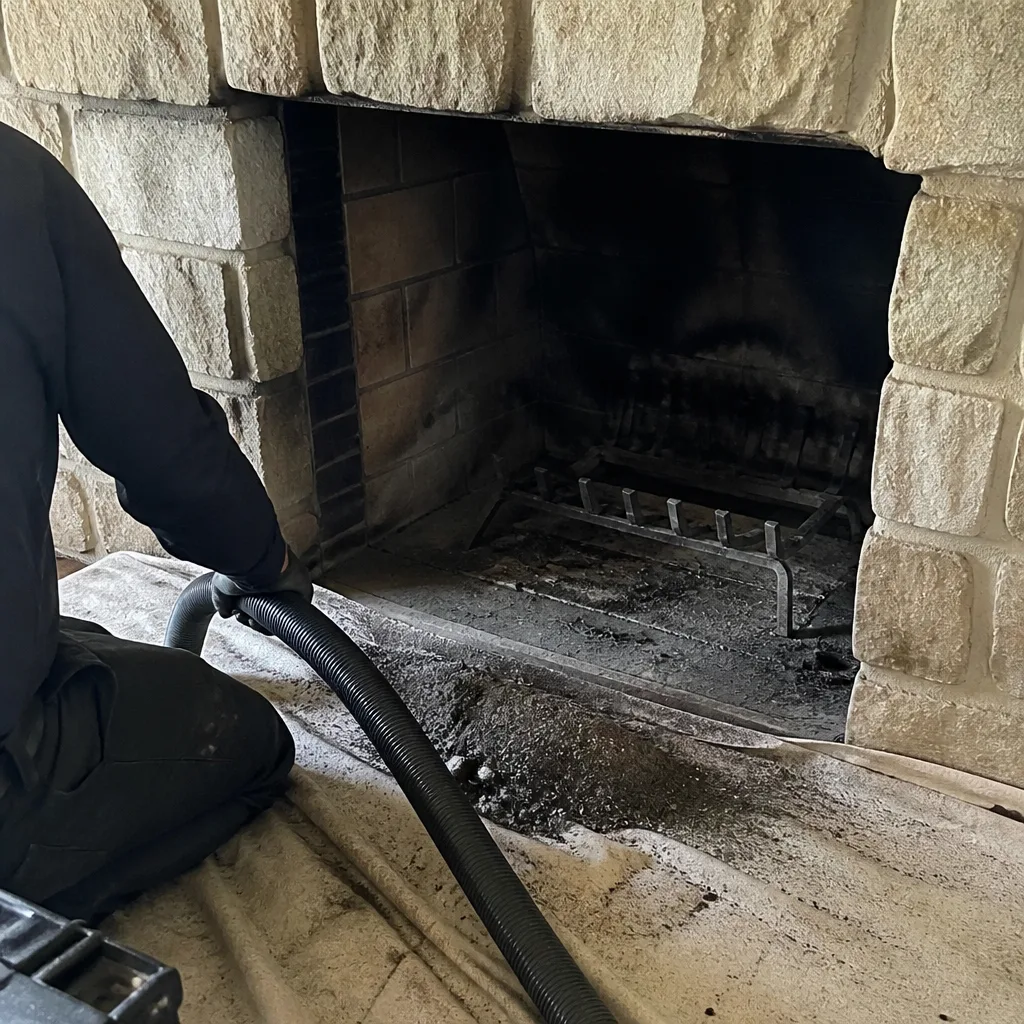 Before
 After
 Before
 After
Frequently Asked Questions
Once a year is the baseline for most homes in Coral Springs, with the ideal timing in late spring or early fall. Homes that burn regularly benefit from a spring sweep plus a fall check. A chimney that sits unused through the humid season should be checked before the first fire regardless of how recently it was swept, because moisture and storm debris can change it.
Yes, and the reason is the humid off-season, not the fire. A Coral Springs chimney sits through months of warm, damp air, and that leads to condensation cycling, biological growth, and animal intrusion even if you barely burned anything last winter. The flue still needs a clean pass and a visual check before it’s used. Call (844) 834-5492 for an exact quote on a sweep; estimates are free.
Book a post-storm inspection before the next fire. Wind-driven rain and debris can get past a cap, settle in the flue, and stay there without showing up from the firebox. A flue that drew fine last winter can draw poorly after one storm. If the storm was significant, or you saw debris on the yard or roof, that’s enough of a reason to have the flue checked.
You can look at the firebox and the cap, but you can’t safely check the inside of a flue without the right tools and knowledge. The parts most likely to develop a problem are inside the flue and smoke chamber, and those aren’t visible from the room. A proper inspection includes a genuine look down the flue, which is what a sweep provides.
It depends on the condition of the liner, which is exactly why an inspection comes first. When liner damage is limited and the structure is otherwise sound, resurfacing with HeatShield can restore the liner without a full reliner, and it’s an option worth raising. When the damage has gone further, a DuraFlex liner system may be the appropriate repair. The inspection is what tells you which it is.
Book the sweep and inspection before you close up the house in spring, and a quick check when you return in the fall. It’s the most effective schedule for part-time owners, because it clears the flue before the humid months begin and confirms it’s healthy after the season has run its course. If the home is rented in summer, schedule a check between tenancies and treat October as non-negotiable.
The Bottom Line
The Coral Springs chimney calendar is built around two seasons, not four. The wet season stresses a flue in ways a cold-climate guide never mentions, and the burning season is when the results of that stress meet an open flame. Book the spring sweep and cap check before the humid months start. Do a post-storm inspection in October. Do the pre-use clean before the first fire. If you’re a part-time owner, work around your presence in the home, not an ideal calendar. Carrington Chimney Sweep handles the full lifecycle of your chimney in Coral Springs, sweep, repair, and inspection, from the crown to the firebox floor. Call (844) 834-5492 for a free estimate.
For a closer look at the services behind this guide, start with Carrington Chimney Sweep, book a chimney repair if the inspection turns up damage, and read the local service guide for Coral Springs.
Written by the team at Carrington Chimney Sweep.