
Last updated November 15, 2026
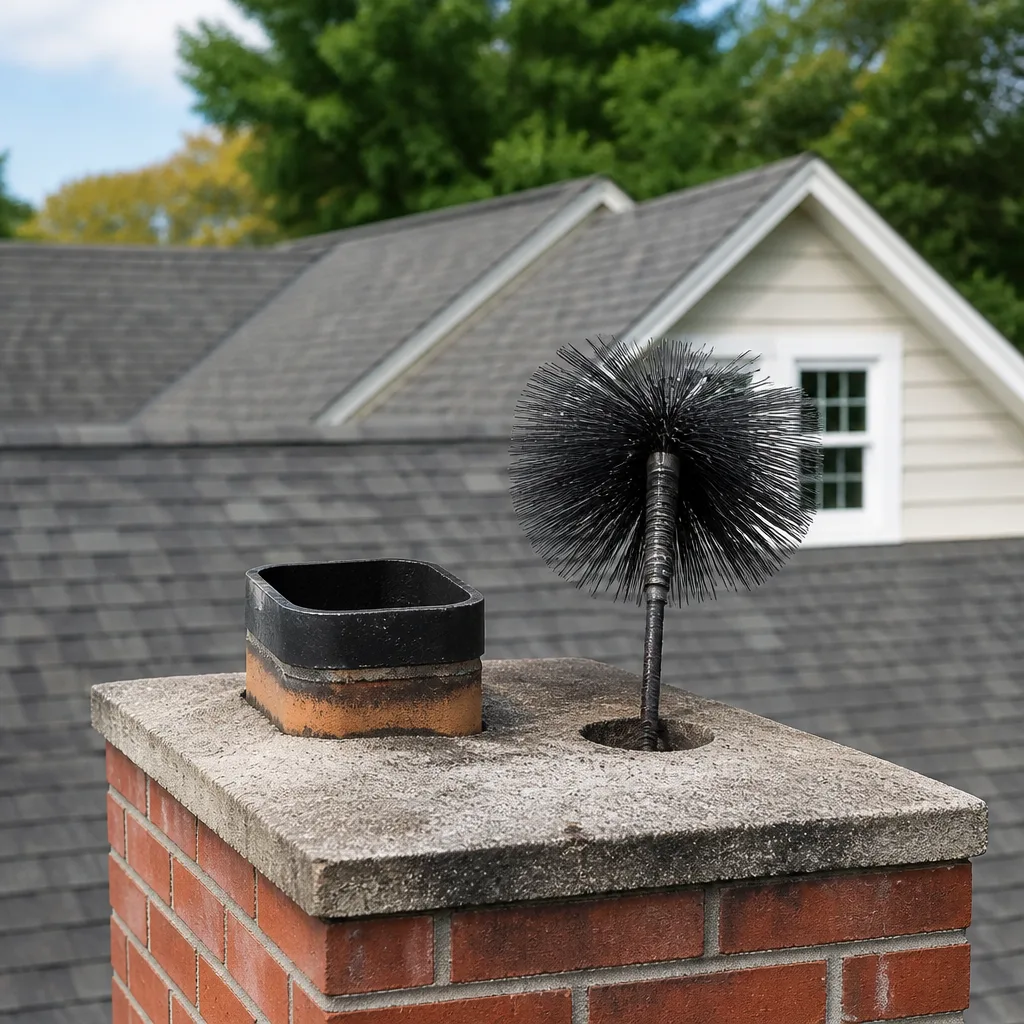 Sweep & inspection
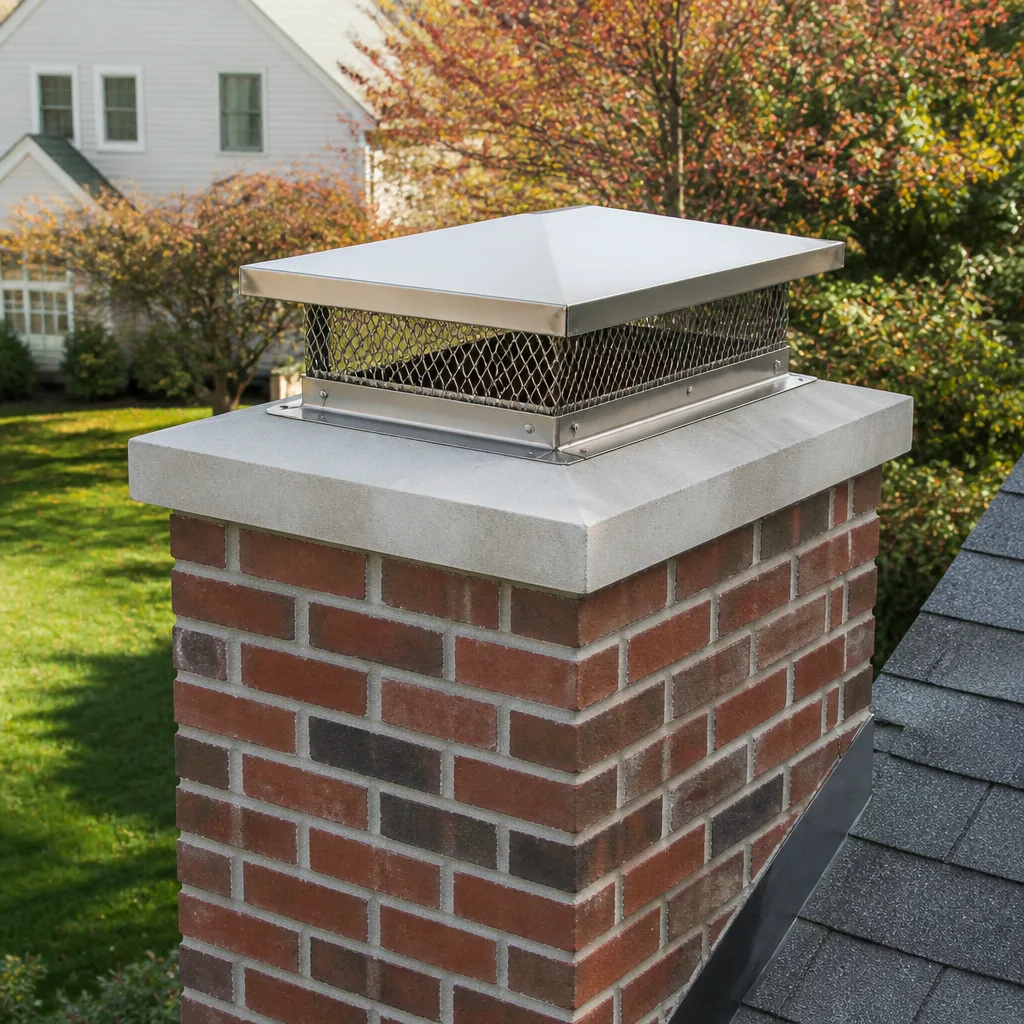 Caps & crowns
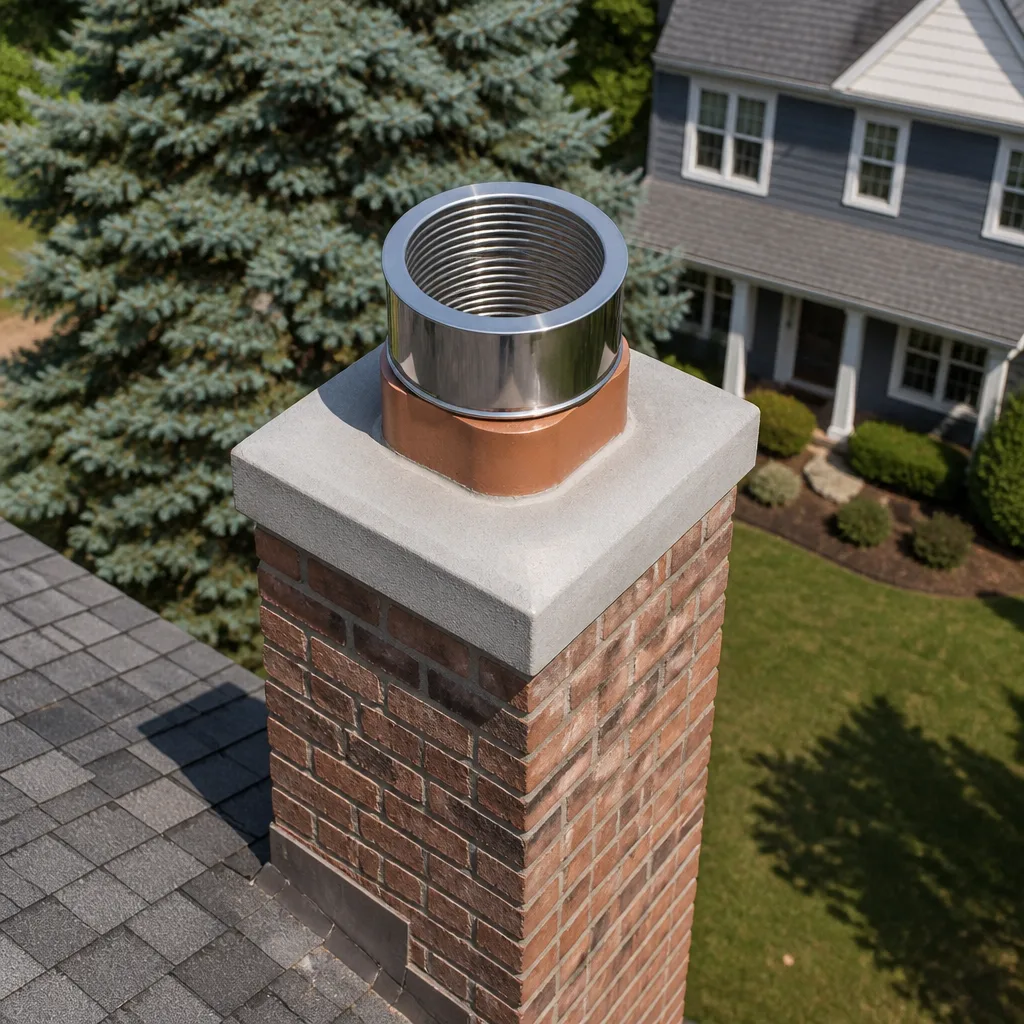 Flue relining
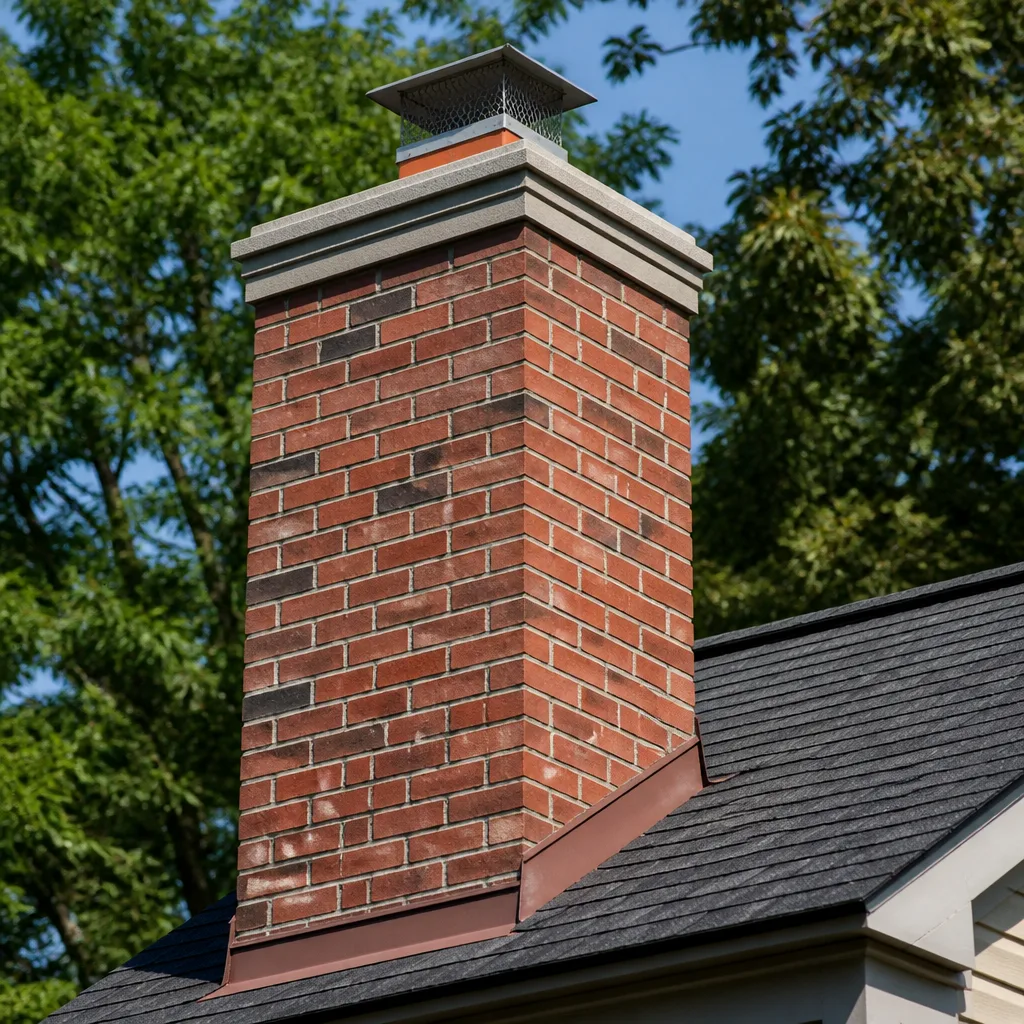 Masonry repair
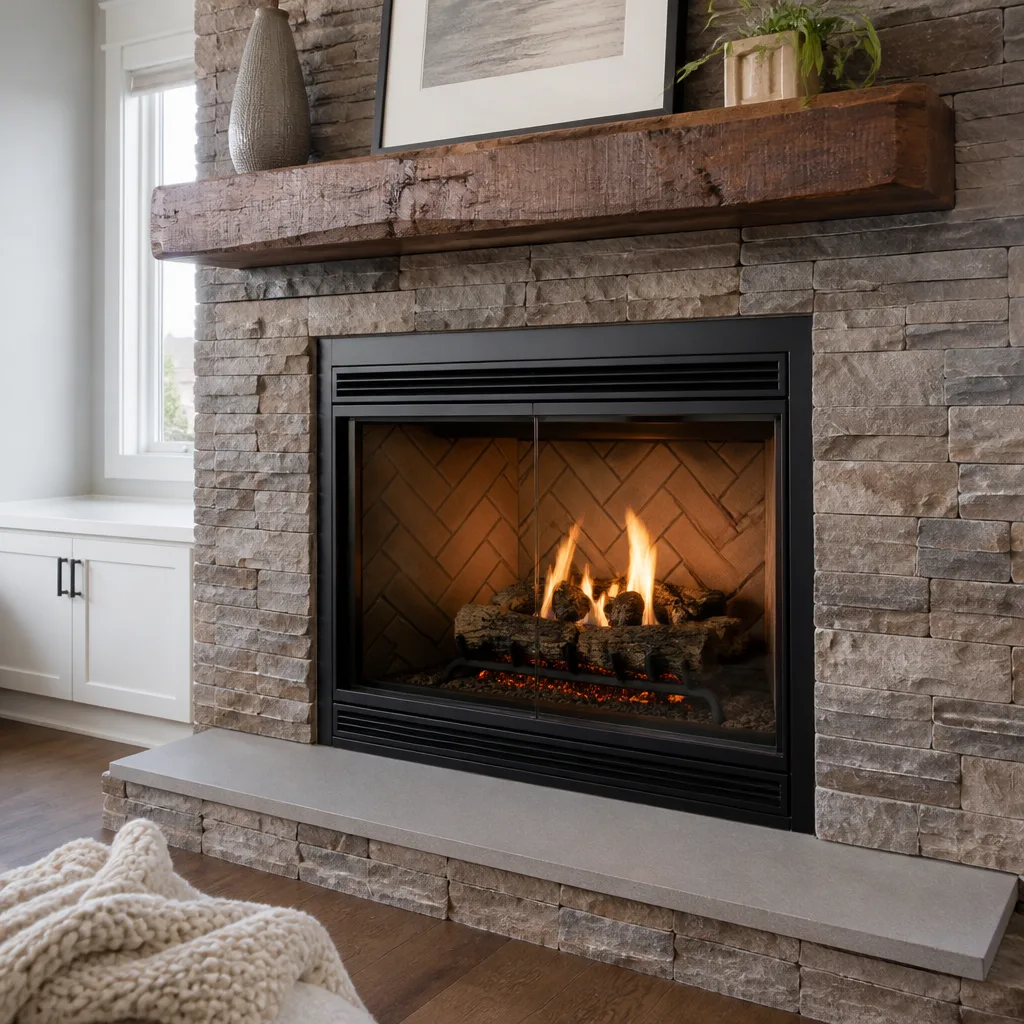 Gas fireplace service
Level 1 sweep and inspection to the NFPA 211 annual standard - flue, crown, cap, and flashing checked and photographed
Chimney sweep logs do not sweep chimneys. They loosen some creosote - which then falls where a brush and vacuum still have to collect it.
Chimney Cleaning Emergency Preparedness Guide for Coral Springs Homes
Most homeowners in Coral Springs assume a chimney emergency means a fire in the flue. In our experience across Broward County, the calls that matter most arrive after a tropical storm has passed and the sky has cleared. The house is standing, the power is back, and someone lights the first fire of the season without checking whether the cap survived the wind. Smoke backs up into the living room, and a blocked or damaged flue announces itself the hard way. This guide covers what to do before, during, and after storm season so an unused fireplace sits safely through the six months it goes untouched, and so you know exactly what to check the day you want to use it again.
Quick Answer
Chimney emergency preparedness in Coral Springs means inspecting your cap and flue for wind and debris damage before the first fire after a storm, sealing the firebox and closing the damper on an unused fireplace through hurricane season, and calling a chimney specialist rather than lighting up when you smell smoke from a cold fireplace. The steps below tell you what to check, in what order, and how to describe damage so the right technician arrives with the right equipment. A free estimate from Carrington Chimney Sweep starts the process: call (844) 834-5492.
Styles & brands we work with
- Sweep & inspection
- Caps & crowns
- Flue relining
- Masonry repair
- Gas fireplace service
Table of Contents
- The Post-Storm Inspection Protocol
- Preparing a Cold Fireplace for Hurricane Season
- What to Do If You Smell Smoke From a Cold Fireplace
- Chimney Cap Failure in High Wind
- Who to Call and What to Tell Them
- The First Fire After a Storm
- Moisture and Mildew During the Unused Months
- Common Mistakes to Avoid
The Post-Storm Inspection Protocol
After a tropical storm or hurricane passes through Broward County, the most common chimney call isn’t a blockage at the bottom of the flue. It’s a homeowner who lit the fireplace before checking whether the cap survived the wind. The cap is the first thing wind hits and the first thing to fail, and a cap that’s gone or bent means rain, leaves, and debris have an open path into the flue. Check in this order before you build any fire.
- The cap and spark arrestor. Look at the top of the chimney with binoculars from the ground. Is the cap still seated and square? Are the mesh panels intact, or is one side caved in? A dropped cap or crushed screen is the leading cause of post-storm flue obstruction in Coral Springs.
- The crown. Look at the concrete or mortar slab at the very top. Hairline cracks are common and usually harmless. A chunk missing, or a crown that’s pulling away from the flue tile, lets water straight into the chimney structure.
- The flue tile and visible liner. From the firebox, shine a light up the flue with the damper open. You’re looking for a clear path, no fallen debris, and no cracked tiles. If you can’t see daylight at the top, something is blocking it.
- The firebox and smoke shelf. Clear any debris that blew in through an open damper. A leaf or a nest on the smoke shelf changes how smoke drafts and can push it back into the room.
- The damper operation. Open and close it fully. A damper that sticks or won’t seal has likely shifted, and it needs professional attention before it’s reliable again.
If all five check out, you’re clear to burn. If any one of them doesn’t, stop and call a specialist. Our chimney sweep covers this exact post-storm evaluation with a camera inspection and a photo report you can see for yourself.
Preparing a Cold Fireplace for Hurricane Season
Through the warm months in South Florida, the fireplace sits unused for six months or more. That’s normal. What isn’t normal is leaving it open to the weather. A fireplace that goes into hurricane season with an open damper and no cap becomes a funnel for wind-driven rain, airborne debris, and, over time, moisture damage that’s far more expensive to fix than the steps that prevent it.
Here’s how we tell homeowners to close down a fireplace for the offseason:
- Close the damper completely. A partially open damper is an open hole in your roof. If the damper no longer seals, that’s a repair worth doing before the storms arrive, not after.
- Confirm the cap is intact and correctly sized. A properly fitted cap keeps rain, birds, and squirrels out while letting smoke and gases vent. Gelco and Famco caps are what we install when a cap needs replacing, because they’re built to the same standard as the rest of the flue system rather than as generic aftermarket parts.
- Clear the firebox and ash pan. Old ash sitting in a humid house holds moisture and odor. Empty it and wipe down the firebox floor.
- Look for water staining. Rust on the damper, white chalky streaks on the firebox brick, or a damp smell tells you water is already getting in. Address it before the rains come.
- Cover the firebox opening if the home is ever unoccupied through a storm. A sheet of plywood braced across the opening keeps wind-driven water out if a window fails nearby.
Doing these things once at the start of the season is enough. The point is to close the loop, not to fuss over the fireplace all summer.
What to Do If You Smell Smoke From a Cold Fireplace After a Storm
Smoke smell from a fireplace that hasn’t been lit is a signal, not a mystery. In our experience it almost always means one of two things: debris blew into the flue and is sitting on the smoke shelf, or the flue has lost its draw because the cap or crown was damaged and outside air is now moving through the wrong pathway. The smell comes from a cold chimney pulling stale air down into the house. The mistake is opening the damper and lighting a fire to “burn it out.”
Here’s what to do instead:
- Leave the damper closed. If the flue is obstructed, opening the damper and lighting a fire can push smoke and carbon monoxide into the living space instead of up and out.
- Check the cap from the ground. Binoculars, from the yard, in daylight. Is it still there? Is it crushed or missing?
- Shine a light up the flue with the damper open but no fire lit. Look for daylight at the top. No daylight means an obstruction.
- Smell the air near the firebox. A sharp, acrid smell suggests soot and debris. A damp, musty smell suggests water intrusion through a damaged crown or cap.
- Do not run a vacuum or a blower up the flue. It spreads soot through the room and can drive debris deeper into the smoke chamber.
- Call a chimney specialist and describe what you found. Carbon monoxide is odorless, so a smoke smell is actually a helpful early warning. Take it seriously and get the flue checked before you light anything.
If you get a positive read on any of these signs, call us at (844) 834-5492. We answer 24/7. A call outside dispatch hours is booked into the next opening, Sunday through Friday, 7am to 7pm.
Chimney Cap Failure in High Wind
The chimney cap is a small, unglamorous piece of metal that takes the full force of a tropical storm. It’s also the part most likely to be damaged during a hurricane and the part most homeowners forget to look at afterward. When a cap fails, the flue is open to the sky, and that’s when rainwater, leaves, and blown debris start a slow chain of problems: a wet flue, damp insulation around the chimney chase, rusted damper hardware, and eventually a cracked flue tile.
We divide cap damage into two categories, because the response is different:
- Temporary damage means the cap is displaced but not destroyed. A corner lifted out of its seat, one fastener pulled loose, a screen panel pushed in but still attached. This is often repairable with a reseat and new fasteners once the storm season settles. Don’t climb up to do it yourself.
- Permanent damage means the cap is gone, crushed, or bent beyond shape. Rusted seams that opened in the wind, screen mesh torn away, or a cap that landed in the yard. That’s a replacement, and it needs to happen before the next rain event.
When we replace a cap on a Coral Springs home, we install Gelco or Famco caps because they’re matched to the flue and built to the same specification as the rest of the chimney system. A hardware-store cap that’s the wrong size or the wrong material is the reason we see homes back on the repair list a few storm seasons later. Our chimney repair covers cap replacement, crown repair, and flue tile work as one coordinated job.
Who to Call and What to Tell Them
When you call about storm damage to a chimney, the technician who shows up should already know what equipment to bring. That only happens if you can describe what you saw. The difference between “my chimney is damaged” and “the cap is missing and I can see that the top flue tile is cracked” is the difference between one visit and two.
Here’s how to prepare before you call:
- Note where you saw the problem. Cap, crown, flue tile, firebox, damper. Point to it if you’re standing in the yard with a technician later.
- Take a photo from the ground. A phone photo through binoculars, or a photo from the far end of the yard, tells us a lot before we arrive.
- Write down what you smelled and when. “Smoke smell starting after the storm” says one thing; “happens only on windy days” says another; “smelled right after we lit a fire” says a third. Each implies a different diagnosis.
- Mention whether the fireplace was used during or after the storm. If a fire was lit and smoke backed into the room, that’s a flue issue, not just a cap issue.
- Tell us the age of the home if you know it. Coral Springs has neighborhoods built across several decades, and the type of flue system installed changes with the era. Older masonry chimneys and newer prefabricated flues fail in different ways.
- Say whether you need a sweep, a repair, or an inspection. An inspection is often what you need after a storm. A sweep is what you need before the first fire of the season. A repair is what you need when something broke.
The right call gets you a technician with the proper camera, the correct cap sizing, and the materials on hand. When we schedule a job in Coral Springs, we match the equipment to what you described so the first visit is the one that fixes it.
The First Fire After a Storm
There’s a small ritual to the first fire of the season, and in South Florida it usually comes weeks or months after a storm, which is exactly when the inspection gets skipped. Someone wakes up to a cool morning, remembers the fireplace, and reaches for a match. Before that match gets lit, do these five checks. They take ten minutes and they cover the failure modes a tropical storm leaves behind.
- Confirm you can see daylight up the flue. Damper open, light aimed up, look for the bright spot at the top. No daylight means you need a sweep before you burn.
- Check the cap and the crown one more time. Storm damage can be subtle, and a cap that reseated itself after a wind gust can still be sitting crooked.
- Smell the firebox. Damp, musty air means water got in. A sharp soot smell is normal in an unused chimney; a heavy smoke smell means the flue is drawing poorly.
- Open a window a crack before the first fire. A cold chimney needs a burst of room air to establish draft. This is standard practice and prevents a little smoke backup on the first burn.
- Start small. A modest fire of dry, seasoned wood establishes draft and lets you watch the smoke behavior. If smoke rolls out of the firebox at startup, close the damper, let the fire die, and call.
If any check fails, call us at (844) 834-5492 before you light another match. We answer 24/7. Fast dispatch from 7am to 7pm, Sunday through Friday.
Moisture and Mildew During the Unused Months
South Florida humidity is a slow force on an unused fireplace. Through the six months the chimney sits idle, warm moist air sits inside the flue and the firebox, and any water that gets in through a damaged cap or crown never fully dries out. The result is not dramatic. It’s gradual. Rust develops on damper hardware, mortar joints soften, and eventually the flue liner starts to degrade from the outside in. That’s when a small repair turns into a HeatShield resurfacing job or a full liner replacement.
What you can watch for as a homeowner:
- White chalky streaks on the firebox brick. That’s efflorescence, mineral deposits pushed out by moisture moving through the masonry.
- Rust on the damper or the firebox grate. Any rust on interior metal is a sign of persistent dampness, not one wet season.
- A musty smell in the room near the fireplace. This often gets attributed to the house being closed up for weeks, but a persistently damp chimney smells different from general humidity.
- Peeling paint or staining on the ceiling near the chimney chase. Water is finding a path from the crown down into the framing.
None of these are emergencies on their own. They become emergencies when they’re ignored for several storm seasons, because the damage compounds. When we assess a Coral Springs chimney with these signs, our first option is often HeatShield resurfacing, which restores liner integrity without a full replacement when the damage is caught early enough. That’s the whole reason we diagnose first. The repair we recommend should be the repair you actually need, and nothing more.
Common Mistakes to Avoid
- Lighting a fire before checking the cap. The single most common post-storm call we get. Two minutes with binoculars would have prevented the smoke backup and the cleanup.
- Opening the damper to clear a smoke smell. If the flue is obstructed, opening the damper and lighting up pushes smoke and carbon monoxide into the home instead of up and out. Call before you burn.
- Leaving the damper open through hurricane season. An open damper is a hole in your roof. Close it fully and confirm the cap is seated before the storms arrive.
- Buying a hardware-store cap to replace a damaged one. A cap that’s the wrong size or material doesn’t sit flush, doesn’t vent correctly, and often fails in the next wind event. We install Gelco and Famco caps matched to the flue.
- Skipping the annual sweep because the fireplace “wasn’t used much.” A chimney that sits idle collects debris and moisture. The annual sweep and inspection catch what the eye can’t see from the firebox.
- Burning wood that’s been stored outside uncovered through the wet season. Damp wood creates more creosote and more smoke. In Coral Springs, covered storage and dry, seasoned wood matter more than most homeowners realize.
- Climbing on the roof to inspect the cap after a storm. Roof work after a storm, when tiles may have shifted, is genuinely dangerous. Use binoculars from the ground and leave the roof to a professional.
See the difference
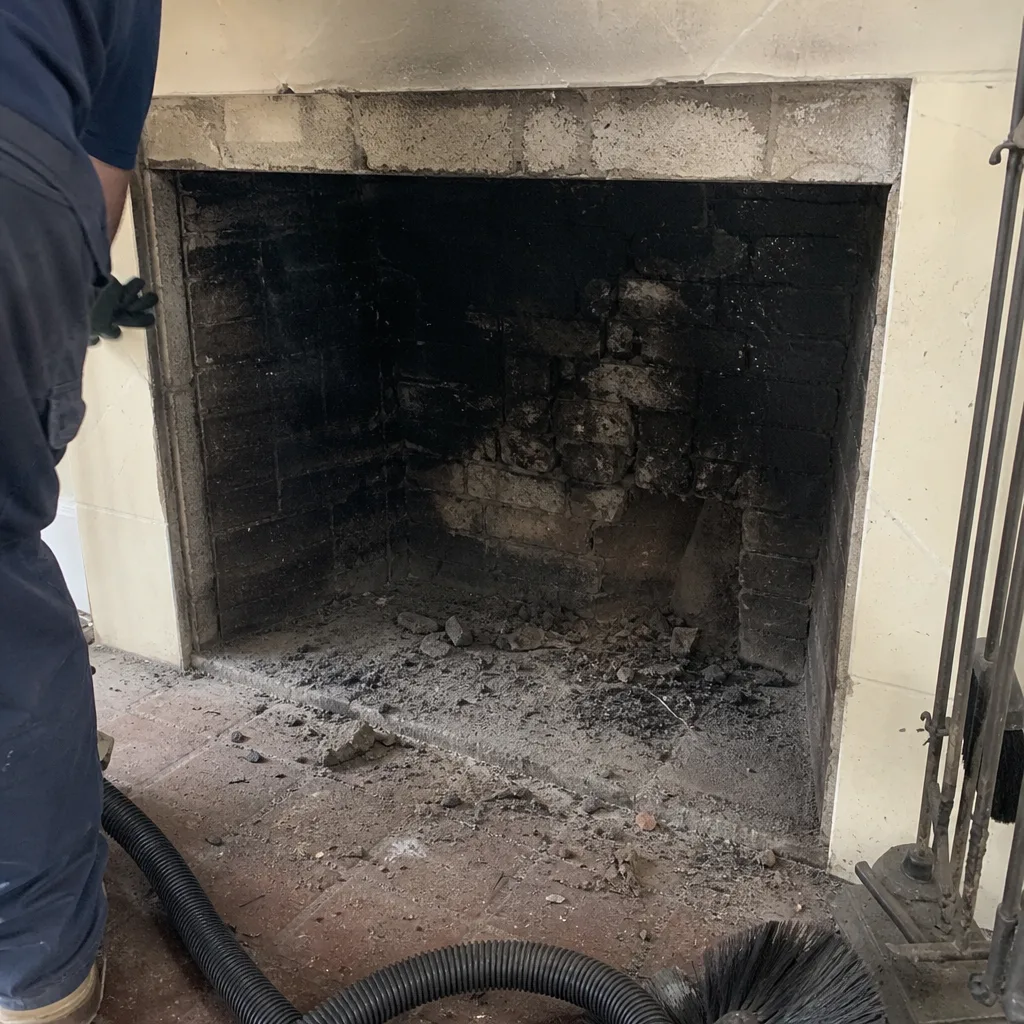 Before
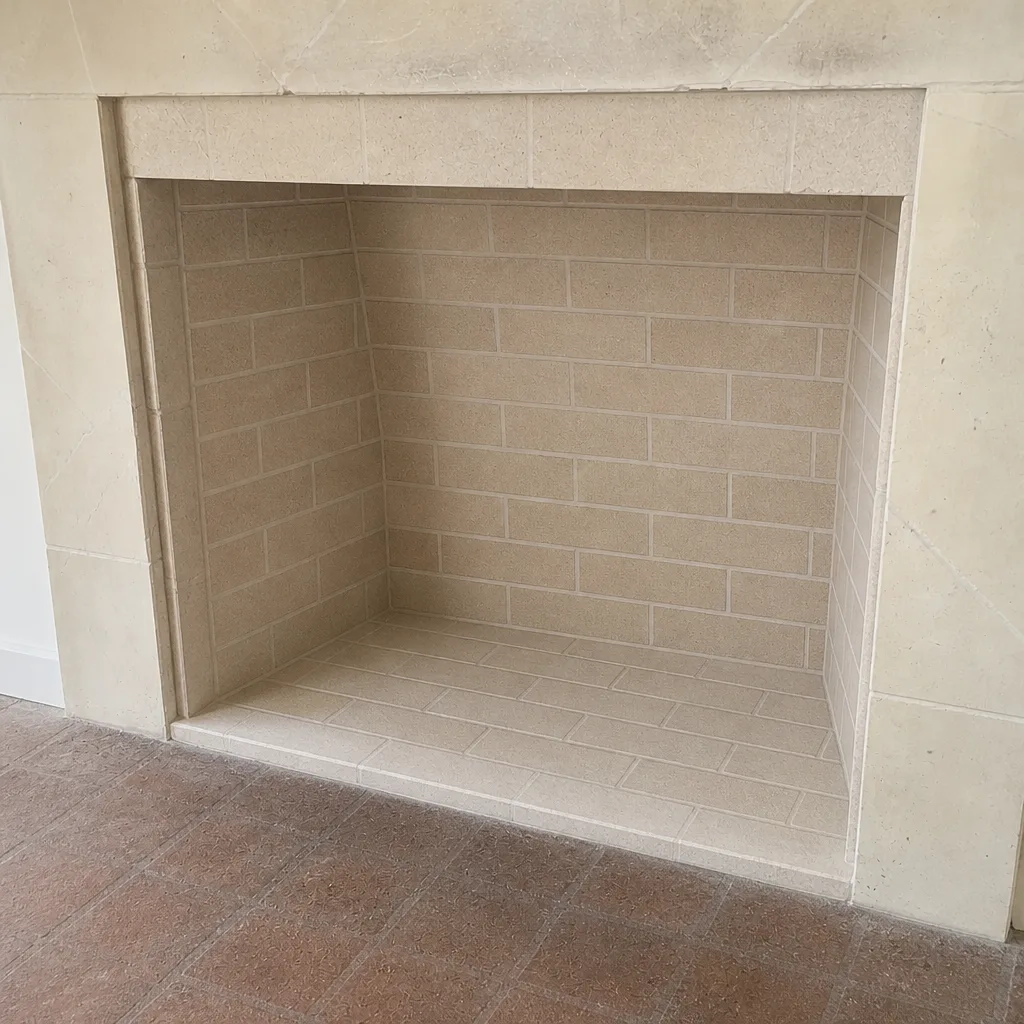 After
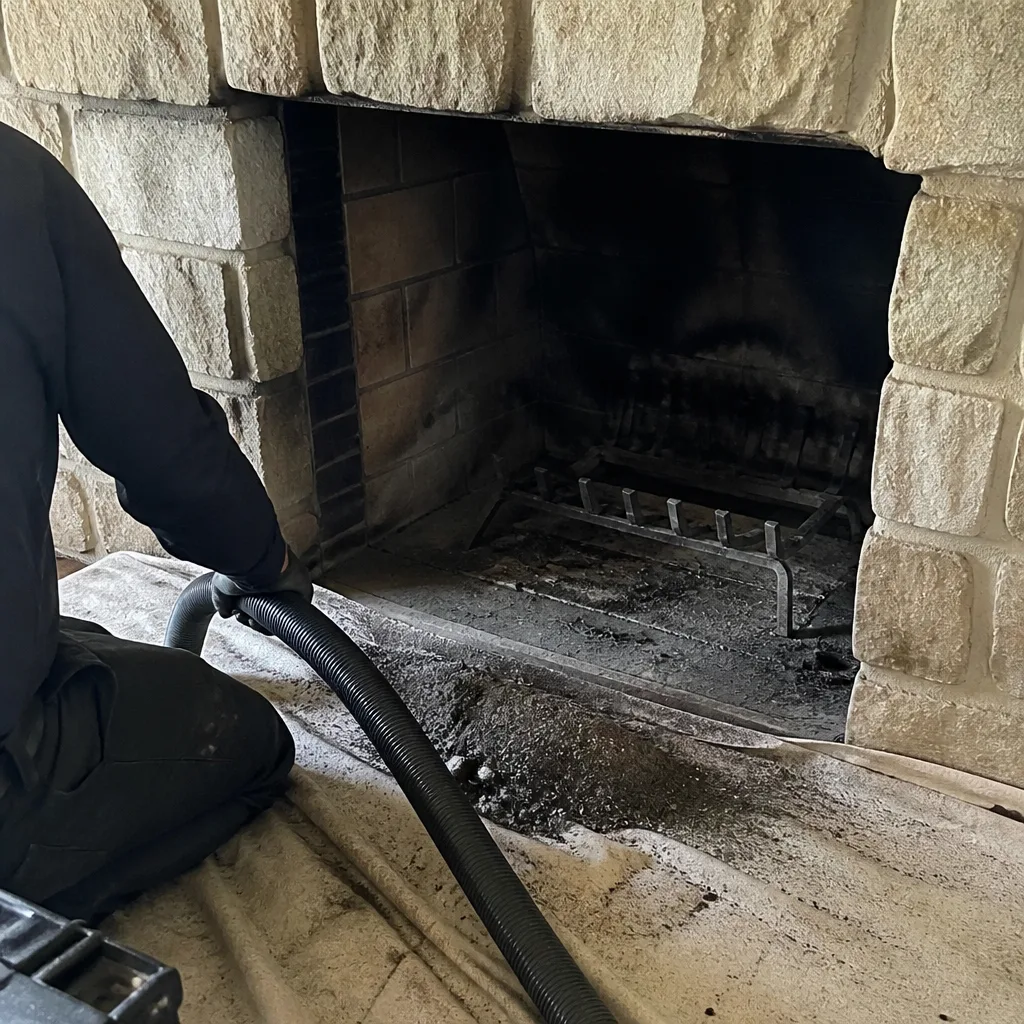 Before
 After
 Before
 After
When to Call a Professional
Not every chimney issue needs a call. A few things do. If your cap was missing, bent, or crushed after a storm, call. If you smell smoke from a cold fireplace or saw smoke backing into the room when a fire was lit, call. If the damper no longer seals or feels stuck, call. If you see cracked flue tiles, a crown pulling away from the flue, water stains on the ceiling near the chimney chase, or a persistent musty smell in the room, call. And if it’s simply that time of year and the flue hasn’t been swept since last season, call before the first fire and not after.
Carrington Chimney Sweep offers free estimates in Coral Springs. Estimates are free, we work from a written scope, and you see the camera inspection and photo report for yourself before anything is recommended. We work exclusively with professional-tier materials from DuraFlex, HeatShield, Olympia Chimney, and Copperfield, and sweep, repair, and inspection are handled as one coordinated system under one company. Call (844) 834-5492. We answer 24/7. Fast dispatch from 7am to 7pm, Sunday through Friday.
Frequently Asked Questions
Once a year, and ideally before the first fire of the season. Coral Springs fireplaces often sit unused through the warm months, so the sweep catches debris, animal nests, and moisture damage that accumulated while the fireplace was closed up. If you burn wood regularly through the winter, an annual sweep is the standard. If the fireplace is only used a handful of times a year, an annual inspection will confirm whether the flue actually needs a sweep. Call (844) 834-5492 for a free estimate.
Yes. A post-storm inspection is the most valuable check a Coral Springs homeowner can do, and it’s the step most often skipped. High wind events damage caps, crowns, and flue tiles in ways that aren’t visible from inside the firebox. A camera inspection shows you exactly what happened and what, if anything, needs repair. Call (844) 834-5492 to schedule one.
Leave the damper closed and check the cap from the ground with binoculars. Then shine a light up the flue with the damper open but no fire lit. If you can’t see daylight at the top, or the cap is missing or crushed, don’t light a fire. A smoke smell from a cold fireplace usually means an obstruction or lost draft, and carbon monoxide is odorless, so a smoke smell is a helpful early warning. Call (844) 834-5492 before you light up.
Pricing is set per job by a written estimate after we see the chimney, so the final number depends on the flue length, the type of appliance, and the condition we find. Our estimates are free. The written scope sets the final price, and nothing is recommended without a camera inspection and photo report you can review yourself. Call (844) 834-5492 for an exact quote.
Often not. Much of the liner damage we see in Coral Springs after a storm season is surface-level cracking that HeatShield resurfacing can restore without a full reliner replacement. That’s the option most basic sweep companies don’t offer or even stock. When we diagnose a damaged liner, we show you the camera evidence first, explain the repair options honestly, and tell you plainly when work can safely wait. Call (844) 834-5492.
Debris, moisture, and creosote accumulate through the unused months, and the first fire of the season finds them. The risk is a restricted flue that pushes smoke and carbon monoxide back into the home, plus long-term damage to the liner and flue tiles that starts small and compounds over several storm seasons. An annual sweep and inspection cost far less than the repair that follows a skipped season. Call (844) 834-5492.
The Bottom Line
The emergency scenarios for a Coral Springs chimney aren’t primarily about chimney fires. They’re about what happens after a storm, what happens to a fireplace that sits unused for six months, and what happens the moment someone lights a fire without checking the cap. Check the cap, crown, flue tiles, smoke shelf, and damper in that order after every storm. Close the damper fully and confirm the cap is intact before hurricane season. When you smell smoke from a cold fireplace, don’t open the damper and light up. Call a specialist, describe what you saw, and get the camera evidence first. It’s the most reliable way to keep a Coral Springs chimney working the way it should, season after season.
For a free estimate on sweeping, repair, or inspection, call Carrington Chimney Sweep at (844) 834-5492. We answer 24/7. Fast dispatch from 7am to 7pm, Sunday through Friday. We work with specification-grade materials from DuraFlex, HeatShield, Gelco, Olympia Chimney, Famco, and Copperfield, and we handle sweep, repair, and inspection as one complete system. Learn more about Carrington Chimney Sweep and our work in Coral Springs.
Written by the team at Carrington Chimney Sweep.