
Last updated November 15, 2026
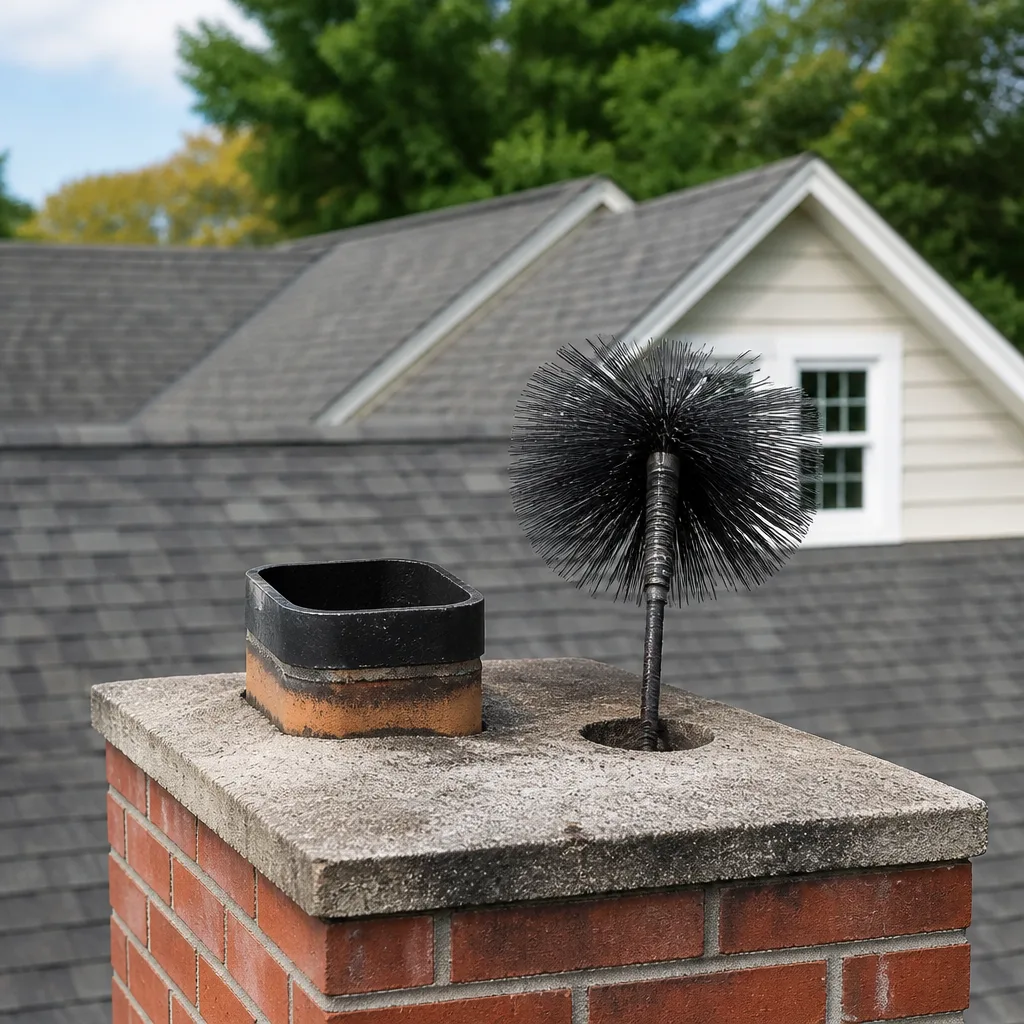 Sweep & inspection
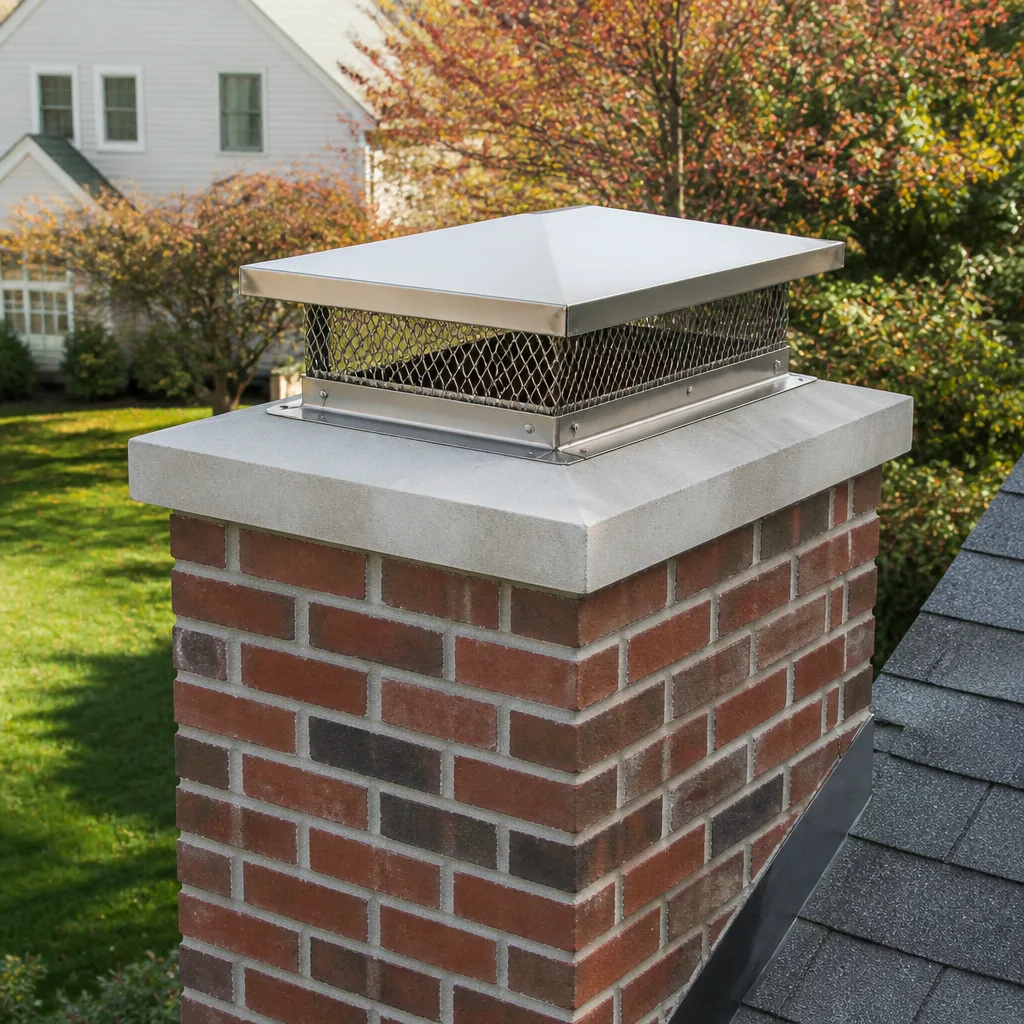 Caps & crowns
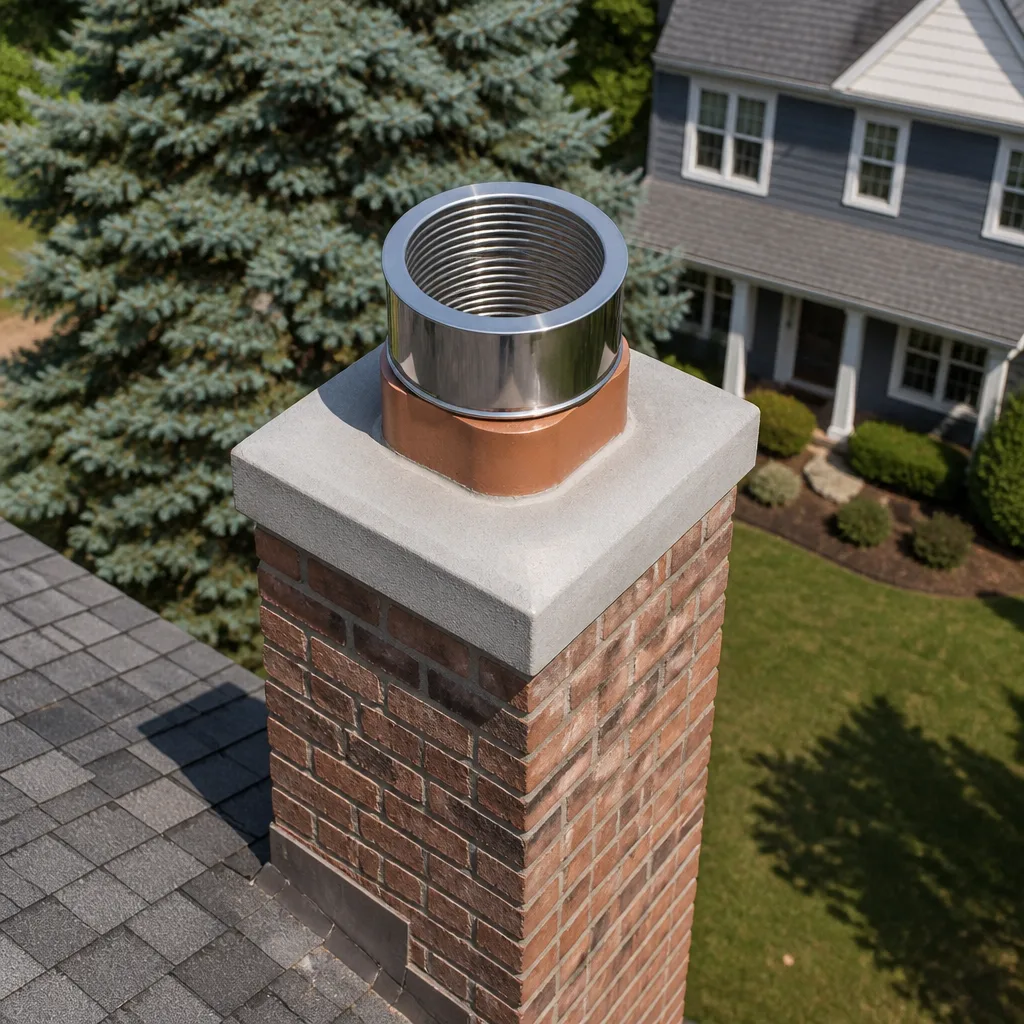 Flue relining
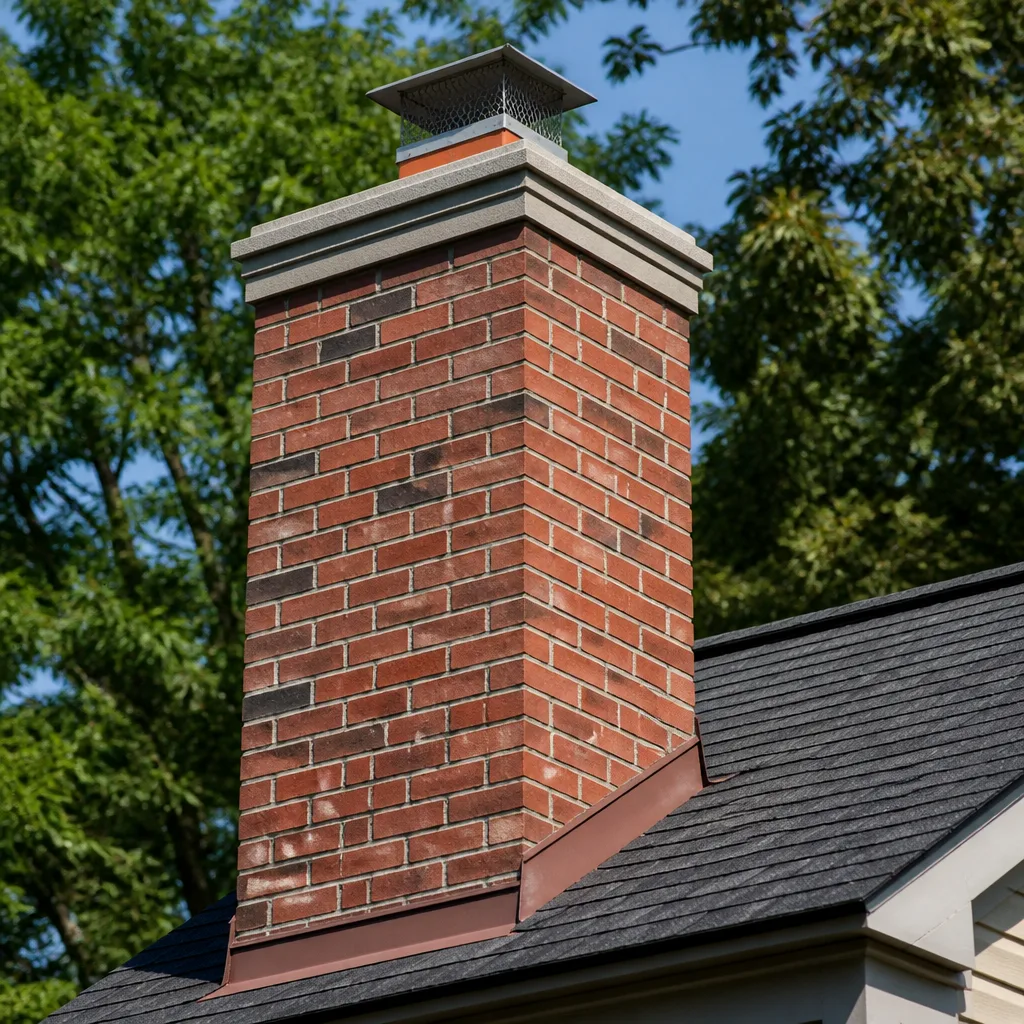 Masonry repair
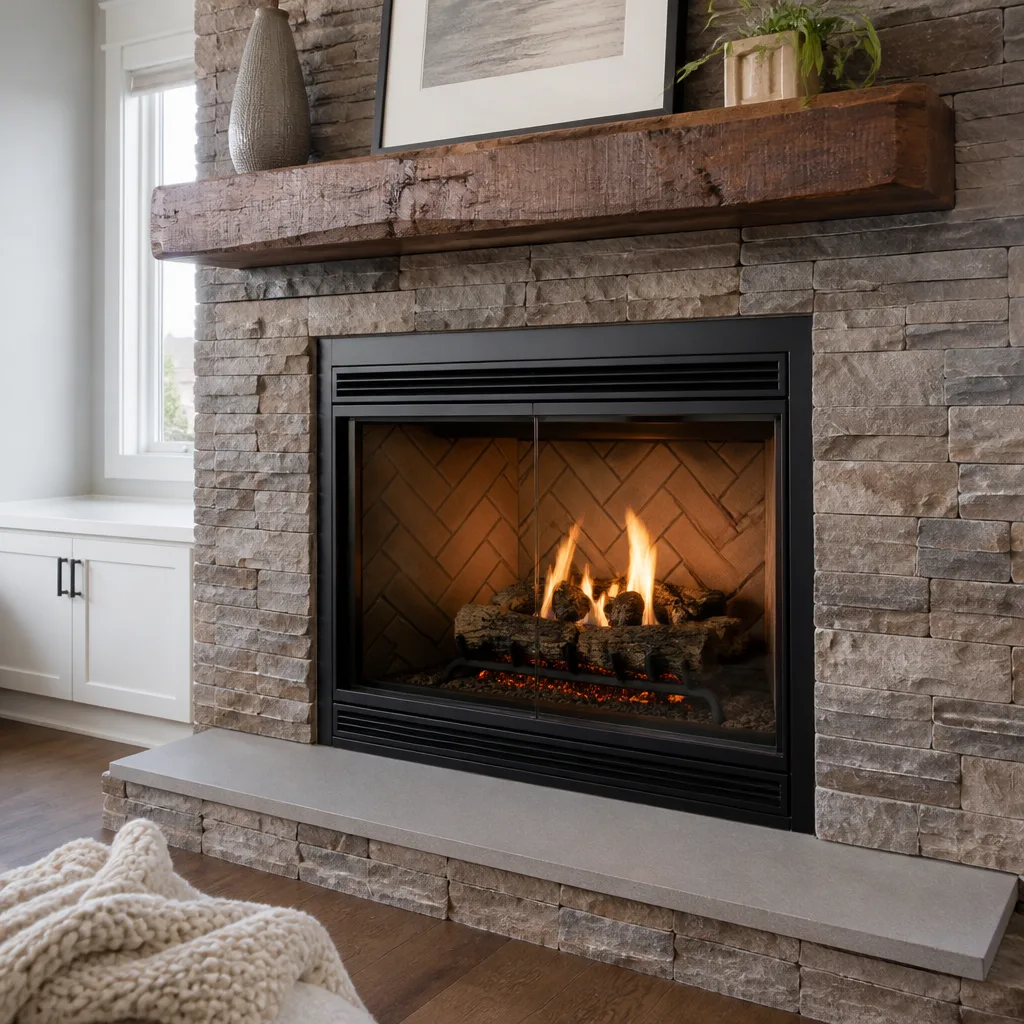 Gas fireplace service
Level 1 sweep and inspection to the NFPA 211 annual standard - flue, crown, cap, and flashing checked and photographed
Chimney sweep logs do not sweep chimneys. They loosen some creosote - which then falls where a brush and vacuum still have to collect it.
Chimney Sweep Maintenance Checklist for Coral Springs Homeowners
Most chimney checklists tell you to look at twelve things and call a professional if any of them seem off. That guidance is useless the moment you’re standing in your living room wondering whether the rust line on your firebox is cosmetic or the start of a liner failure. The truth is that a chimney rarely fails without warning. It gives you signals, and the homeowner’s real job is learning to sort those signals into three buckets: watch it, note it, or call today. This guide is that sorting system. You’ll learn what’s normal, what isn’t, and which findings in a Coral Springs home can safely wait for the annual sweep.
Quick Answer
A chimney maintenance checklist for a Coral Springs homeowner has two layers: what you can safely observe yourself (from the ground and from inside the firebox) and what a professional must verify (the flue interior, damper operation, cap and crown condition). Check your chimney visually before October and again after any named tropical storm, log your findings with dates, and book a professional sweep and inspection annually. Anything involving a rust stain, a musty smell that worsens in humid months, or visible deterioration of the cap or crown should be evaluated by a technician, not monitored indefinitely.
Styles & brands we work with
- Sweep & inspection
- Caps & crowns
- Flue relining
- Masonry repair
- Gas fireplace service
Table of Contents
- How to Use This Checklist: The Three-Bucket Method
- The Ground-Level Check: What You Can See From Your Yard
- The Interior Check: Firebox, Damper, and Smoke Chamber
- Cap, Crown, and Chase Cover: Florida-Specific Points
- Seasonal Timing Triggers Unique to Coral Springs
- Immediate Call vs. Annual Monitoring: The Decision Tree
- How to Document Findings Over Time
- What a Professional Sweep and Inspection Actually Involves
How to Use This Checklist: The Three-Bucket Method
Every observation you make on your chimney belongs in one of three buckets. Sorting them properly is the entire skill.
Bucket One: Monitor. These findings are expected wear or normal variation. You note them, date them, and check again next season. A slightly uneven soot pattern, a small crack in the mortar at the firebox joint, minor dust on the hearth. Nothing here justifies a service call today.
Bucket Two: Note and Escalate at the Annual Sweep. These findings suggest something is developing. They aren’t emergencies, but they need a professional eye within the season. A rust stain that appeared this summer, a damper that sticks a little, soot streaks near the top of the firebox opening, a musty odor that lingers after the AC has been running for weeks.
Bucket Three: Call Now. These are findings that indicate active deterioration or a safety concern. Visible gaps in the flue visible through the firebox, a damper that won’t open at all, water actively entering the firebox during rain, crumbling mortar around the flue tile, or a cap that has come loose. These don’t wait for the annual visit.
If you’re uncertain which bucket a finding belongs in, the practical answer is to photograph it, write the date, and call. In our experience, the homeowners who end up with expensive repairs are the ones who spent a year assuming a Bucket Three finding was a Bucket One finding. In Coral Springs, where humid summers and frequent storms stress the chimney from the outside in, that assumption is particularly costly.
The Ground-Level Check: What You Can See From Your Yard
The ground-level check is safe and takes about five minutes. Stand back far enough to see the top of the chimney and use binoculars if you have them. Never climb onto your roof to inspect a chimney. Roof access is a fall hazard, and the roof surface in Florida is slick with algae after rain. What you can see from the ground is genuinely useful.
Look at the chimney cap first. A properly fitted cap is a helmet over your flue. It should sit flat, be fully attached, and have intact mesh sides. Normal is a cap that’s dusty, dark with soot, and firmly seated. Abnormal is a cap that’s tilted, missing a piece of mesh, or has visibly detached from the flue tile. A loose cap lets water, animals, and debris straight into your flue.
Examine the crown next. The crown is the concrete or mortar slope at the top of the chimney that sheds water away from the flue. From the ground, it should look like a smooth, continuous cap. Hairline cracks in the mortar are common and often cosmetic. Larger cracks, crumbling edges, or a crown that looks like it’s separating from the chimney body are not.
Check the chimney exterior for staining. Dark vertical streaks on brick or stucco can indicate water tracking down the chimney from a failed crown or flashing. White powdery deposits, called efflorescence, suggest moisture moving through the masonry. In Coral Springs, where humidity sits high for much of the year, a stucco chimney with a soft or discolored surface is worth a note.
Look at the flashing where the chimney meets the roof. The metal flashing should be tight against both the chimney and the roof surface, with no lifted edges or gaps. This is where most water entry begins.
Write down what you see and the date. That’s the whole ground check. If any of the abnormal descriptions match, that lands in Bucket Two or Three. If they don’t, you’ve confirmed the outside of the chimney is doing its job.
The Interior Check: Firebox, Damper, and Smoke Chamber
The interior check is where most homeowners find the findings that actually matter. It’s also where you need to stop and call rather than investigate further. You can look safely; you cannot disassemble safely.
- Open the damper fully before doing anything else. The damper handle should move smoothly through its full range. A damper that sticks, grinds, or won’t fully open is a Bucket Two finding at best and a Bucket Three if it won’t open at all. Never force a stuck damper handle; the linkage can break and leave the flue closed.
- Shine a light up into the firebox. With the damper open, look up toward the smoke chamber. You should see a continuous, smooth interior surface with uniform soot. You should not see daylight through a gap, missing mortar joints, cracked flue tile, or a surface that looks textured and flaking. Any of those is Bucket Three.
- Inspect the firebox walls and floor. The firebrick should be intact with tight joints. Hairline cracks in firebrick are common. Displaced bricks, missing mortar, or a firebox floor that’s cracked through are not. Rust-colored staining on the firebox walls is a Bucket Two finding that often points to water entering from above.
- Check the hearth and the area around the fireplace. Soot streaks above the firebox opening, a dark halo on the mantel, or smoke stains on the wall suggest the fire isn’t drafting properly. That’s a call-first finding. A small amount of ash dust on the hearth is normal.
- Smell the firebox when it’s been unused for a week. A cold, clean chimney should smell faintly of ash and nothing else. A musty, damp, or outright pungent odor is Bucket Two. If that smell gets stronger during humid weather or after rain, escalate to Bucket Three and book an inspection.
One safety note: never attempt to clean soot, brush the firebox interior, or reach up into the smoke chamber yourself. Creosote is corrosive and, in its more concentrated forms, combustible. A professional chimney sweep uses equipment designed for the job and knows what the inside of a flue should look like at every level.
Cap, Crown, and Chase Cover: Florida-Specific Points
Chimney configurations in Coral Springs differ from what you’d find in colder climates. Most homes here have chimneys built into the exterior wall with stucco cladding over masonry, and many have chase covers rather than traditional masonry crowns. Each config has its own failure points, and knowing which one you have determines what to check.
Masonry chimneys with stucco cladding. The stucco is the first line of defense against water. A stucco surface that’s cracked, bubbling, or soft to the touch is letting moisture into the chimney structure. Look at the chimney base and along any horizontal shelves where water can pool. Stucco chimneys in Coral Springs take a beating from summer rain and sun cycling, so a stucco crack that appears after a storm season is not unusual – but it does need to be addressed before the next wet season.
Chase covers and metal caps. A chase cover is the metal top that sheds water off a framed chimney chase. Check that it’s securely fastened, has no rust holes, and slopes correctly away from the flue. Where the cap attaches to the flue tile, the sealant should be intact. If you see rust through the metal or a cover that’s lifted at one corner, that’s a Bucket Two or Bucket Three finding depending on severity. A correctly fitted Gelco or Olympia Chimney cap protects the flue opening year-round; a generic aftermarket cap that doesn’t quite fit actually invites water in.
The flue tile termination. The tile should extend above the crown or chase cover by several inches. If the tile is flush with the crown or covered with a thin layer of mortar, water can wick down into the flue structure. This is a detail a professional will catch in a sweep and inspection, and it’s the kind of finding that explains a rust stain that shows up in the firebox months later.
We’ve seen Coral Springs chimneys where the cap was the only thing between the flue interior and a season of tropical rain. That’s why cap condition sits near the top of any maintenance checklist for a home in this part of Florida.
Seasonal Timing Triggers Unique to Coral Springs
The timing advice you’ll find in most chimney maintenance guides is built for cold climates: sweep in fall, inspect in spring. In Coral Springs, the calendar works differently, and the triggers that should prompt action come from weather, not seasons.
Pre-season check: before October. Fires here typically start in the cooler months, but the maintenance work needs to happen before then. A chimney that’s been dormant through the humid summer has had months of moisture exposure with no fire to dry it out. Book your professional sweep and inspection before October so any findings can be addressed before the first fire of the year. If you sweep the day before you want a fire, you’re rushing decisions that should have time built in.
Post-storm check: after any named tropical system. This is the trigger that doesn’t appear in generic chimney guides. After a named storm passes through, take five minutes for the ground-level check. Look for a dislodged cap, lifted flashing, cracked stucco, or debris at the chimney top. Storms in this region put wind and water pressure on chimneys in ways that normal weather does not. A finding from a storm check belongs in Bucket Two or Three, never Bucket One.
Post-humidity check: after the wet season. Even without a named storm, the summer humidity cycle leaves every chimney in Coral Springs more moisture-exposed than chimneys elsewhere. If you noticed a musty smell coming from the fireplace during the summer, the early dry season is when to have it evaluated.
The annual sweep itself. Whatever seasonal markers you use, the sweep happens once a year for a wood-burning system in regular use. If you burn fires most evenings through the cool months, or burn occasional green or unseasoned wood, the sweep may need to happen more often. Rather than guessing, use the annual sweep as your standing appointment and let the technician tell you if a second one makes sense based on what they find.
- Before October: full sweep and inspection, findings reviewed, repairs scheduled if needed
- After any named tropical system: ground-level check, cap and flashing verified, any anomalies logged
- After the wet season: smell test at the firebox, interior visual check, anything odd moved to the annual appointment
- Anytime a Bucket Three finding appears: call for a sweep or inspection slot
Immediate Call vs. Annual Monitoring: The Decision Tree
A checklist only earns its keep if it tells you what to do with each finding. Here’s the decision tree we use when a homeowner describes a symptom over the phone. Each question moves you toward either “monitor” or “call now.”
Is the symptom about water? Water in or near the firebox, rust stains, damp smell, visible moisture on the flue interior. Water is a call-first finding, because in a Coral Springs climate it will not self-correct and it corrodes the components it touches. Book an inspection.
Is the symptom about airflow? Smoke coming into the room, a fire that won’t draw, soot accumulating on the fireplace face. Airflow problems can indicate a blockage, a damper issue, or a damaged smoke chamber. Call, because none of these are safe to run a fire through while you wait.
Is the symptom about structure? Crumbling mortar, cracks in the cap or crown, missing pieces, gaps visible in the flue. Call, and don’t burn until the chimney has been inspected. Structural findings sometimes need chimney repair rather than just a sweep, and it’s better to know that early.
Is the symptom about soot only? A moderate soot layer visible in the firebox, a slightly smoky smell when the fire is lit, a soot pattern that hasn’t changed since last season. These go to the annual sweep appointment, where the technician can clean and verify.
Is the symptom about use? A fire that burns oddly, wood that smolders instead of catching, a damper that’s harder to open than it was last year. These go on the “note and mention at the next visit” list unless they’re paired with another symptom above.
The point of the decision tree is to keep you out of the trap of waiting to see if something gets worse. Any symptom in the water, airflow, or structure categories is already telling you something. The annual sweep is for the soot-and-use category.
How to Document Findings Over Time
A finding observed once is a snapshot. A finding observed three times over two seasons is a progression, and progression is what tells a technician whether a repair is urgent or whether it can be scheduled on a normal timeline. This is the single biggest difference between a homeowner who gets good advice and one who gets a shrug.
Here’s a simple system. You don’t need software. A folder with dated phone photos and a single sheet of paper with three columns works.
- Photograph the chimney from the same spot in your yard, every time. Same angle, same distance, same time of day if you can manage it. A side-by-side of the same view from March and September shows change that a single photo would never reveal.
- Photograph the firebox interior with the damper open, flashlight on, every time. This is where progression matters most: a crack that grew from hairline to visible across two years tells a different story than a crack that appeared once and hasn’t changed.
- Write one line per observation. Date, what you saw, which bucket you put it in. “September 14, damp smell from firebox, Bucket Two.” That’s enough.
- Keep your service records in the same folder. Every sweep and inspection should leave you with documentation of what was checked and what was found. When the next technician sees the previous findings, they can build on them rather than start from zero.
When you call us for a Coral Springs sweep or inspection, bringing that folder – or just describing the progression – changes the conversation. It moves the discussion from “this looks a little rough” to “this has been stable for two years” or “this has changed since we last saw it.” That’s the difference between a repair recommendation built on evidence and one built on a guess.
What a Professional Sweep and Inspection Actually Involves
The annual sweep and inspection is the anchor of the whole checklist, because most findings can only be verified from inside the flue. A homeowner can see the top and bottom of the chimney; a technician sees everything in between.
The sweep. A professional sweep uses rotating brushes or a specialized vacuum system to remove soot and creosote from the flue, smoke chamber, and firebox. Creosote comes in several forms, from a light flaky soot to a hardened, glazed deposit that a brush alone won’t remove. A technician identifies which form is present and cleans accordingly. In a Coral Springs home that burns regularly, a standard sweep is the routine service; a heavier glazed creosote situation may take more time and, in some cases, indicate the flue needs resurfacing rather than just cleaning.
The inspection. A formal inspection covers the flue interior, the smoke chamber, the damper, the firebox, the cap and crown or chase cover, the flashing, and the exterior structure. The technician checks the condition of the flue tile, the integrity of the mortar joints, the operation of the damper, and whether any component has reached the end of its service life. Findings are reported with enough specificity that you understand which items are actively failing and which are just wearing.
The repair and resurfacing conversation. When the inspection finds damage, the right response isn’t automatically replacement. HeatShield resurfacing can often restore a damaged flue liner without a full reliner installation, which is a smaller job and a smaller disruption. When a reliner is the correct answer, the right product matters. DuraFlex liner systems are what we install because they’re the material specified by certified chimney engineers, not a hardware-store substitute. And when a cap or venting component needs replacing, that repair is finished with a matched Gelco, Olympia Chimney, or Famco component so the whole assembly fits the way it was designed to.
We work with Carrington Chimney Sweep as a single point for all three: sweep, inspection, and repair, so a finding made during the sweep becomes a scheduled repair, not a handoff to a different contractor. If you’re the kind of homeowner who wants the flue crown to firebox floor looked at by the same standard each time, that matters.
Common Mistakes to Avoid
- Treating a rust stain as cosmetic. Rust in or near the firebox usually means water is reaching a metal component, and in a Coral Springs climate that moisture doesn’t dry out on its own. A rust stain is a Bucket Two finding that becomes Bucket Three fast.
- Blaming a musty smell on the AC. Fireplace smells that don’t fade after the AC has run for a while are usually coming from the chimney, not the vents. Test by closing the fireplace doors and noticing whether the smell remains in the room.
- Skipping the post-storm check. A cap that’s fine in March can be lifted or loosened by a single named storm. The five-minute ground check after the system clears is the cheapest maintenance you’ll do all year.
- Climbing onto the roof to look closer. There is nothing on a chimney that requires homeowner roof access. Every serious chimney finding is visible from the ground or from inside the firebox, or it needs a professional.
- Forcing a stuck damper. A stuck damper handle can break its linkage if forced, and a closed flue with a fire lit underneath is a carbon monoxide event. If it won’t open smoothly, call.
- Sweeping after the first fire instead of before. Waiting until the night you want to use the fireplace means a rush decision on any findings. Book the sweep before October so repairs can be planned.
- Booking the sweep but skipping the inspection. The two are not the same. The sweep cleans the flue; the inspection evaluates its condition. A chimney can look and smell clean and still have failing flue tile.
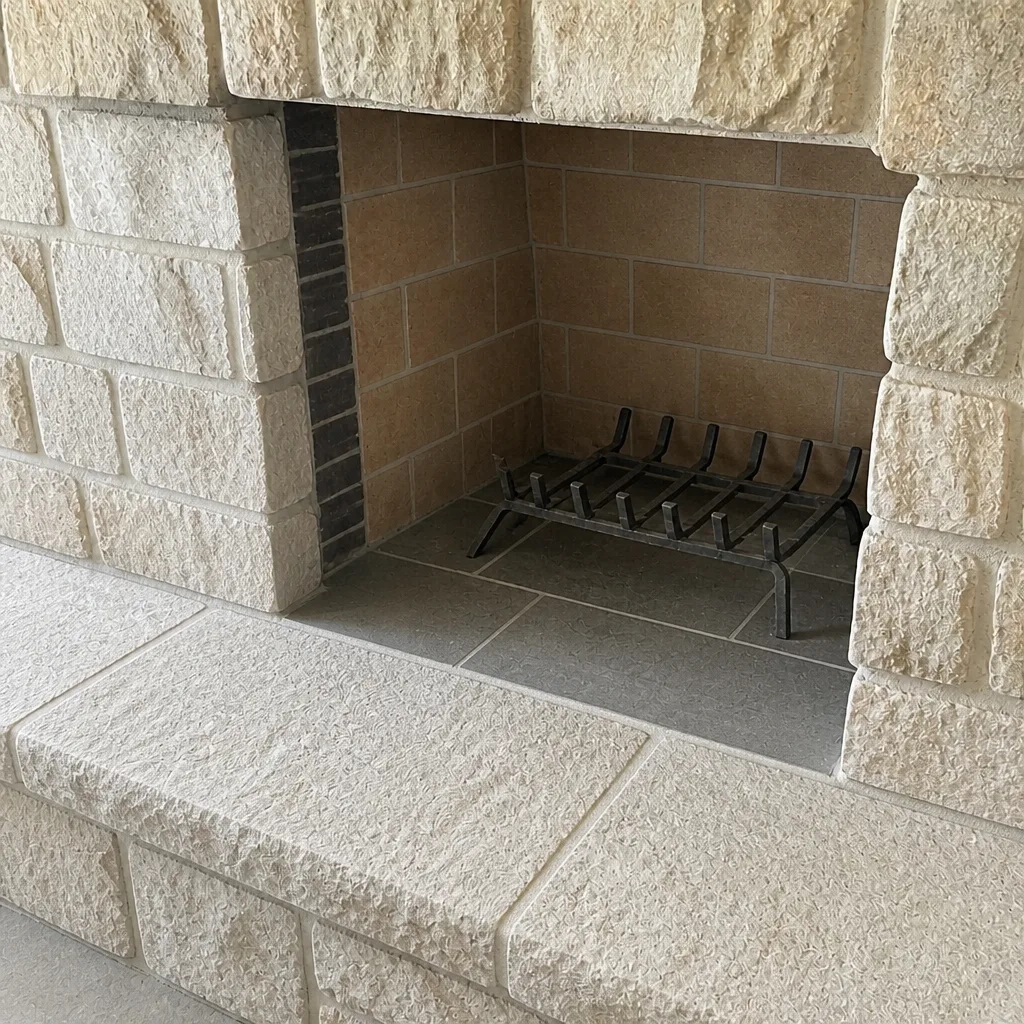
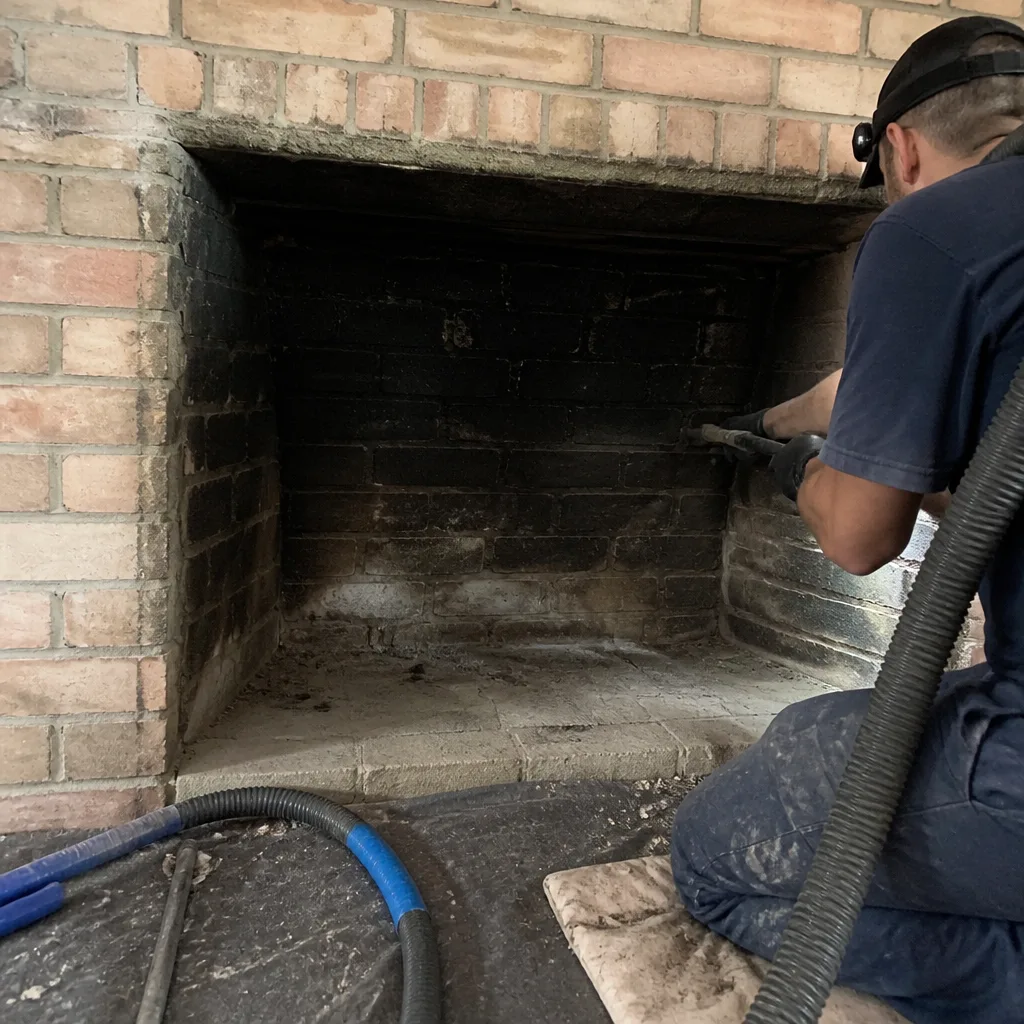
See the difference
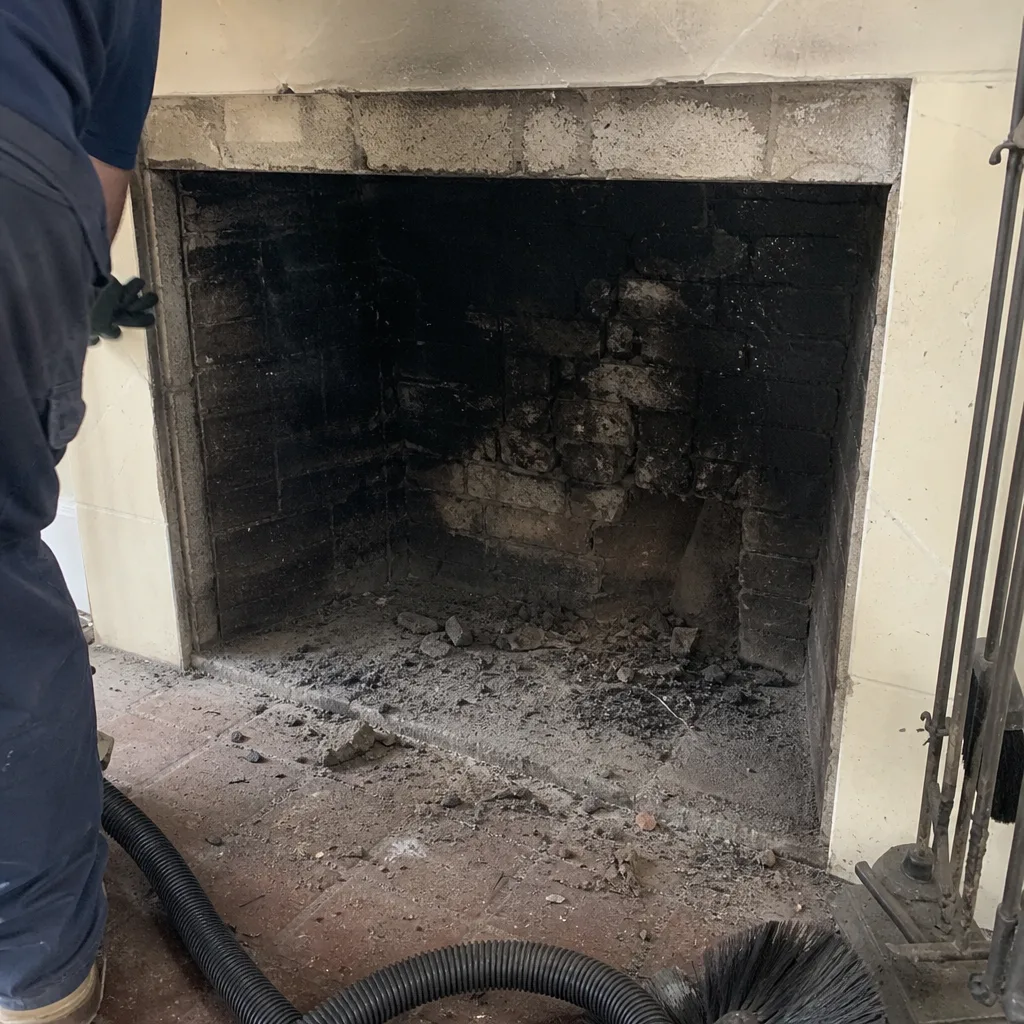 Before
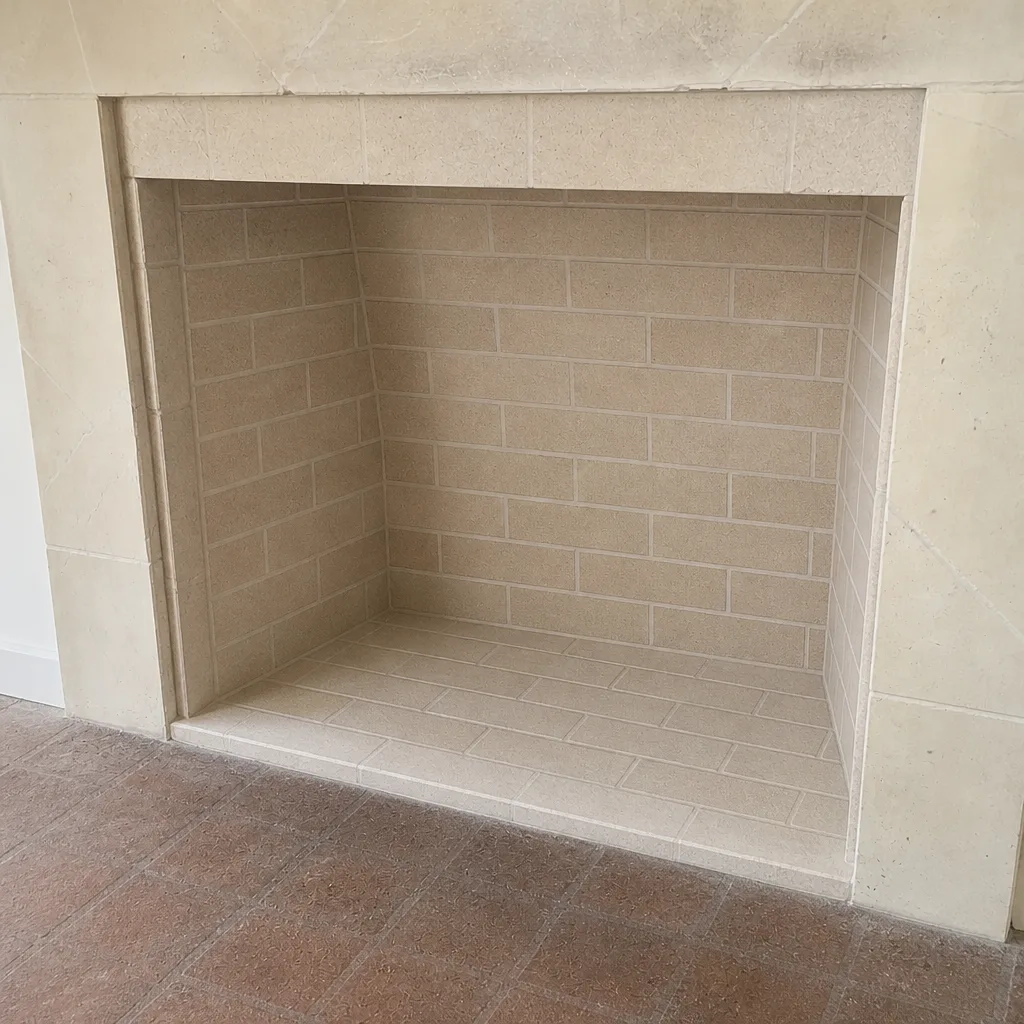 After
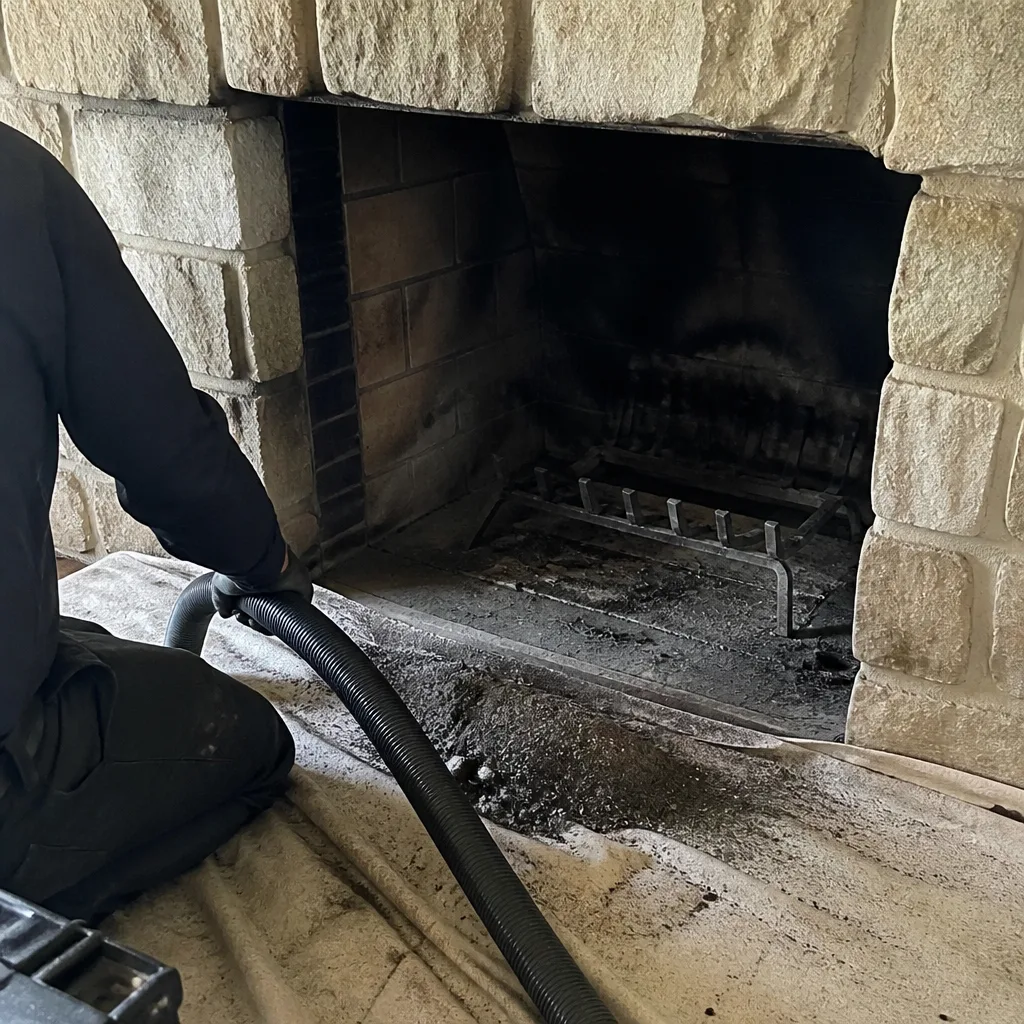 Before
 After
 Before
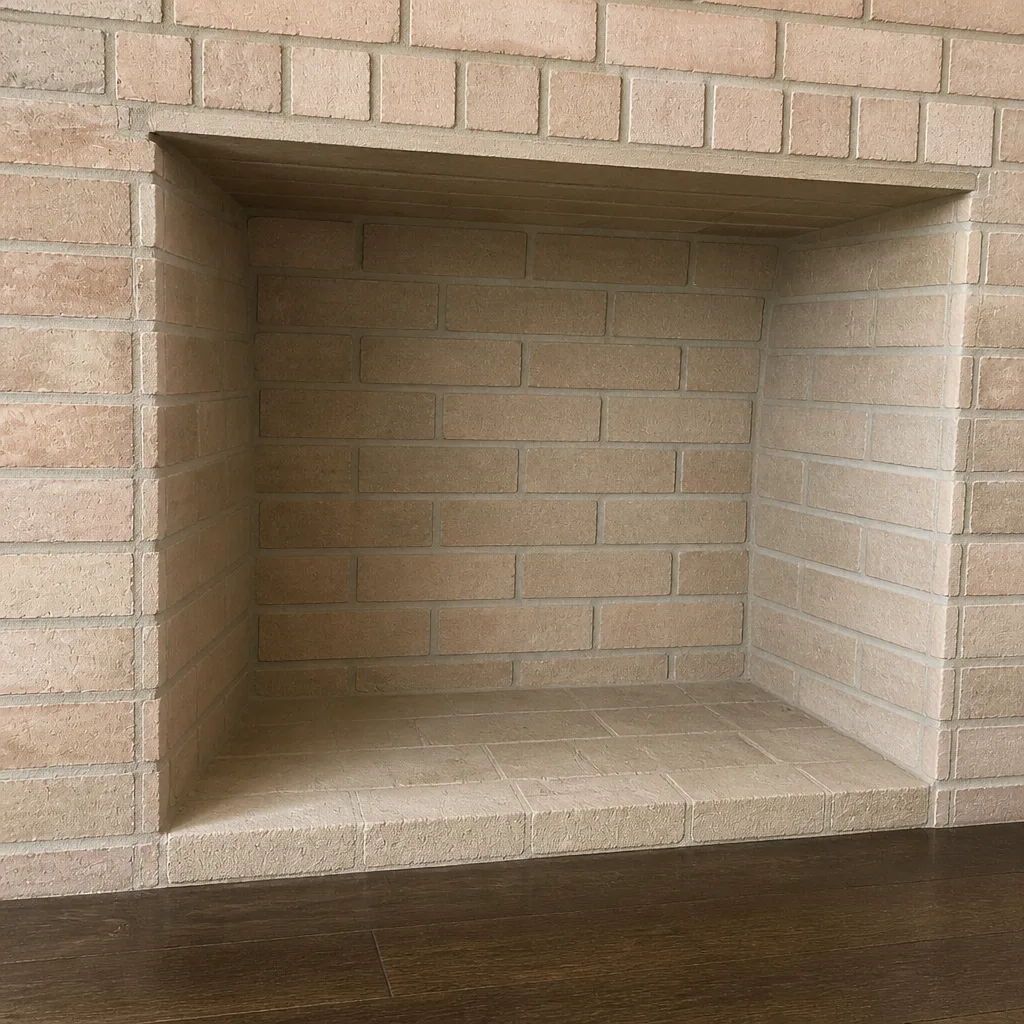 After
When to Call a Professional
Call for a professional chimney inspection when any of these is true: water is entering the firebox, rust stains have appeared, the damper sticks or won’t open fully, soot streaks show above the firebox opening, the cap or crown looks damaged, or smoke backs into the room when a fire is lit. Call for a chimney repair when the inspection has found structural damage to the flue, smoke chamber, or firebox that requires more than cleaning. Call for a sweep on the annual schedule, or sooner if you burn regularly and haven’t had one within the last year. When in doubt, call: the inspection tells you what’s actually going on, and it’s cheaper than guessing. Carrington Chimney Sweep offers free estimates in Coral Springs – call (844) 834-5492. We answer 24/7. Fast dispatch from 7am to 7pm, Sunday through Friday. Our technicians have up to 10 years of experience diagnosing exactly these kinds of findings.
Frequently Asked Questions
Once a year for a wood-burning fireplace in regular use, plus a professional inspection at the same visit. If you burn fires most cool-weather evenings or burn wood that isn’t well seasoned, you may need a second sweep within the year. The inspection report tells you whether an extra sweep is needed for your specific usage pattern. Call (844) 834-5492 for a sweep slot before October and we’ll get you on the schedule with an exact quote based on your system – estimates are free.
A sweep is a cleaning service that removes soot and creosote from the flue and firebox. An inspection is an evaluation of the chimney’s condition from top to bottom that identifies damage, wear, and function issues. They’re often done at the same appointment but they’re different services with different purposes. Call (844) 834-5492 to book either one, or both together, and we’ll give you an exact price up front.
You know you may need repair rather than cleaning when the inspection reveals water entry, cracked or damaged flue tile, failing mortar joints, a compromised cap or crown, or a damper that no longer operates correctly. Soot and creosote buildup alone is a cleaning issue. Once we’ve inspected, we diagnose first, so the repair we recommend is the repair you actually need – and sometimes resurfacing with HeatShield is the right answer rather than a full reliner. Call (844) 834-5492 and we’ll walk through what the inspection found.
Do a ground-level check: look at the cap, crown, chase cover, flashing, and stucco for anything that’s lifted, missing, cracked, or displaced. Photograph anything that seems off before you call. Then book an inspection if any finding is present. Don’t climb onto the roof, and don’t light a fire until a professional has confirmed the flue is clear of debris. Call (844) 834-5492 and we’ll schedule a post-storm inspection with a written estimate before any work begins.
Yes – rust means water has reached a metal component, which in Coral Springs usually points to a failing cap, crown, flashing, or flue seal. It rarely resolves on its own. Book an inspection rather than watching it. Call (844) 834-5492; the inspection finds the source of the water, and the estimate for any repair is free and set in writing before we touch anything.
No – not safely, and not thoroughly enough to be useful. Creosote comes in different forms, some of which a brush won’t remove, and a homeowner brushing blind cannot see the flue tile condition that tells you whether the chimney is actually safe. The interior inspection that accompanies a professional sweep is the real value. Call (844) 834-5492 for a sweep that includes the condition report, with a free estimate up front.
The Bottom Line
A chimney maintenance checklist works when it tells you what to do with what you find, not just what to look at. The Coral Springs homeowner’s version of that checklist is simple: ground-level check before October and after any named storm; interior check of the firebox, damper, and firebox smell each season; photograph and date every finding; and use the water-airflow-structure triage to decide between monitor and call. The annual sweep and inspection is the anchor, and it’s what turns all your observations into an actual decision about your chimney’s condition. Documentation and diagnosis together are what protect the chimney and the home. The best time to book is before the season, not the night you want a fire.
Call (844) 834-5492 for a free estimate on your chimney sweep or inspection. We answer 24/7. Fast dispatch from 7am to 7pm, Sunday through Friday – closed Saturday. One company, one standard of work, from the flue crown to the firebox floor.
Written by the team at Carrington Chimney Sweep.