
Last updated November 15, 2026
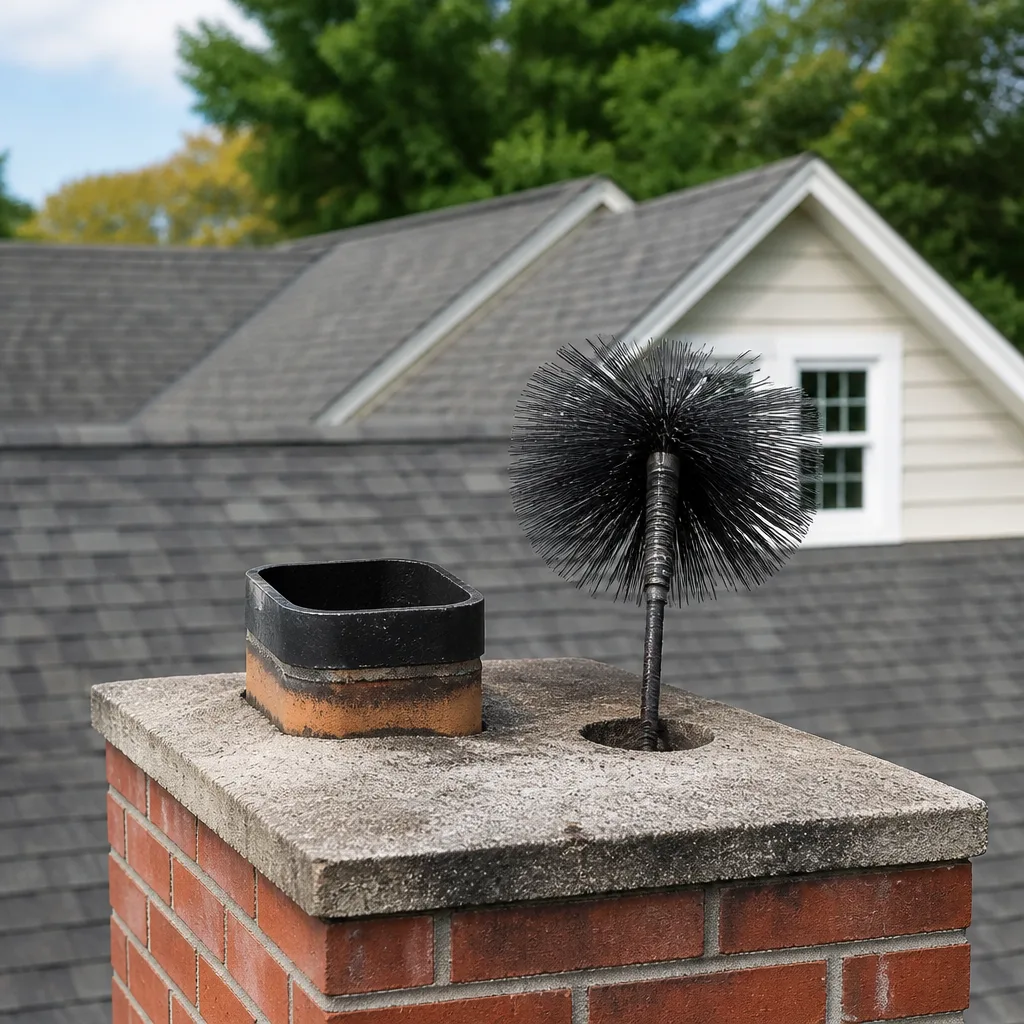 Sweep & inspection
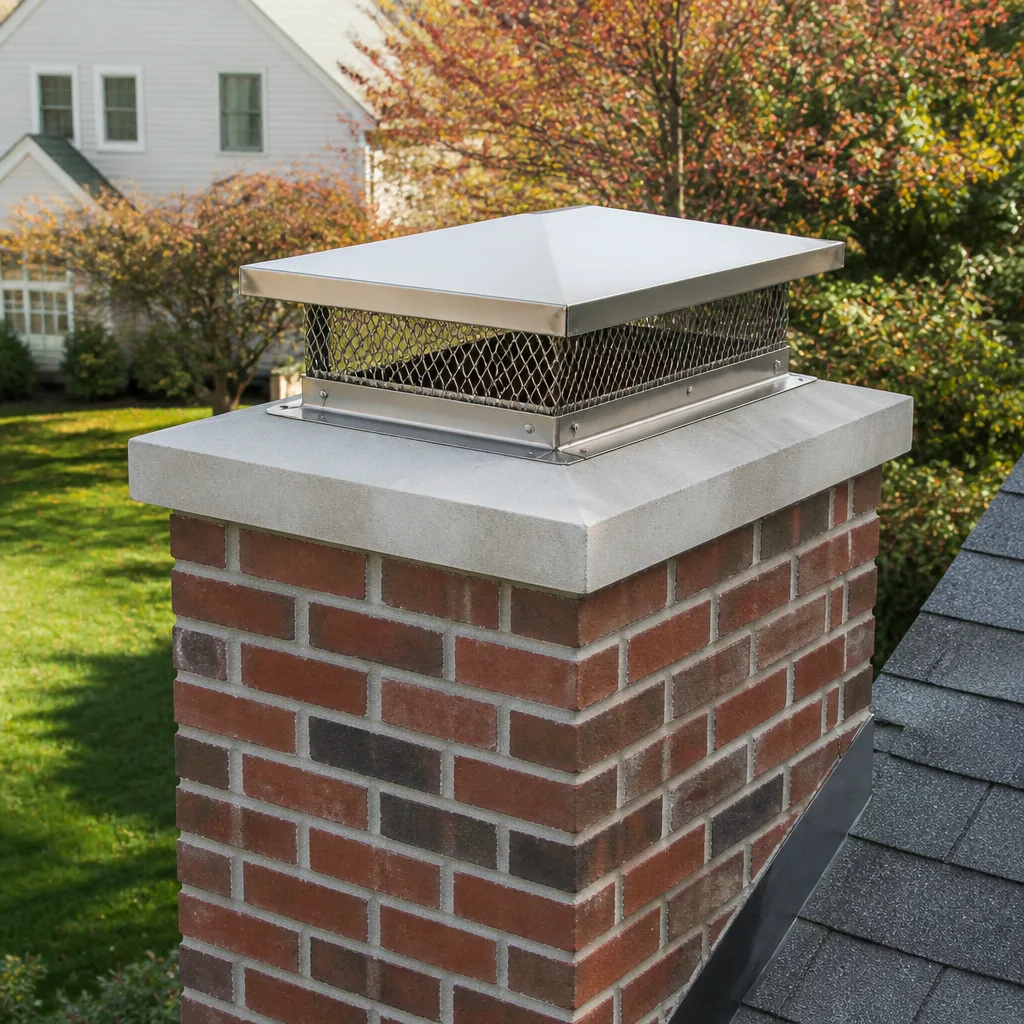 Caps & crowns
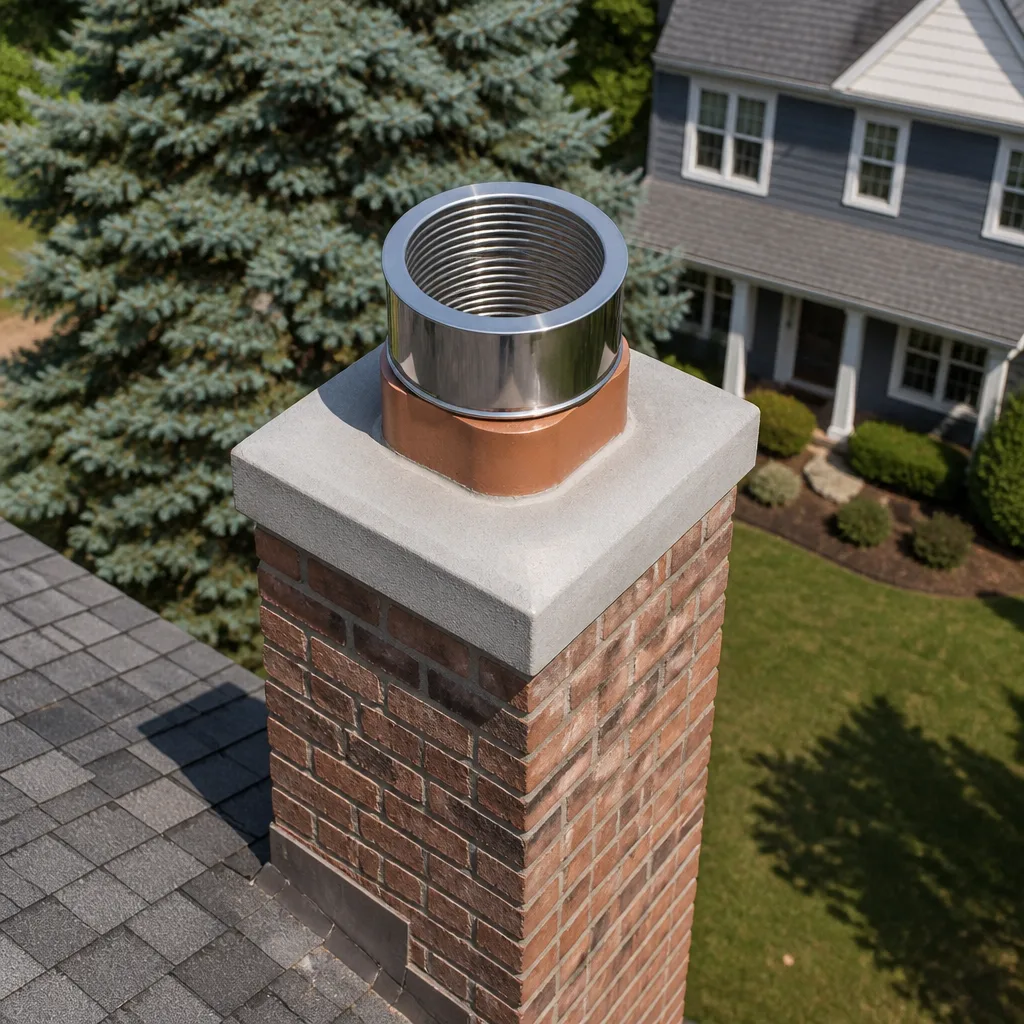 Flue relining
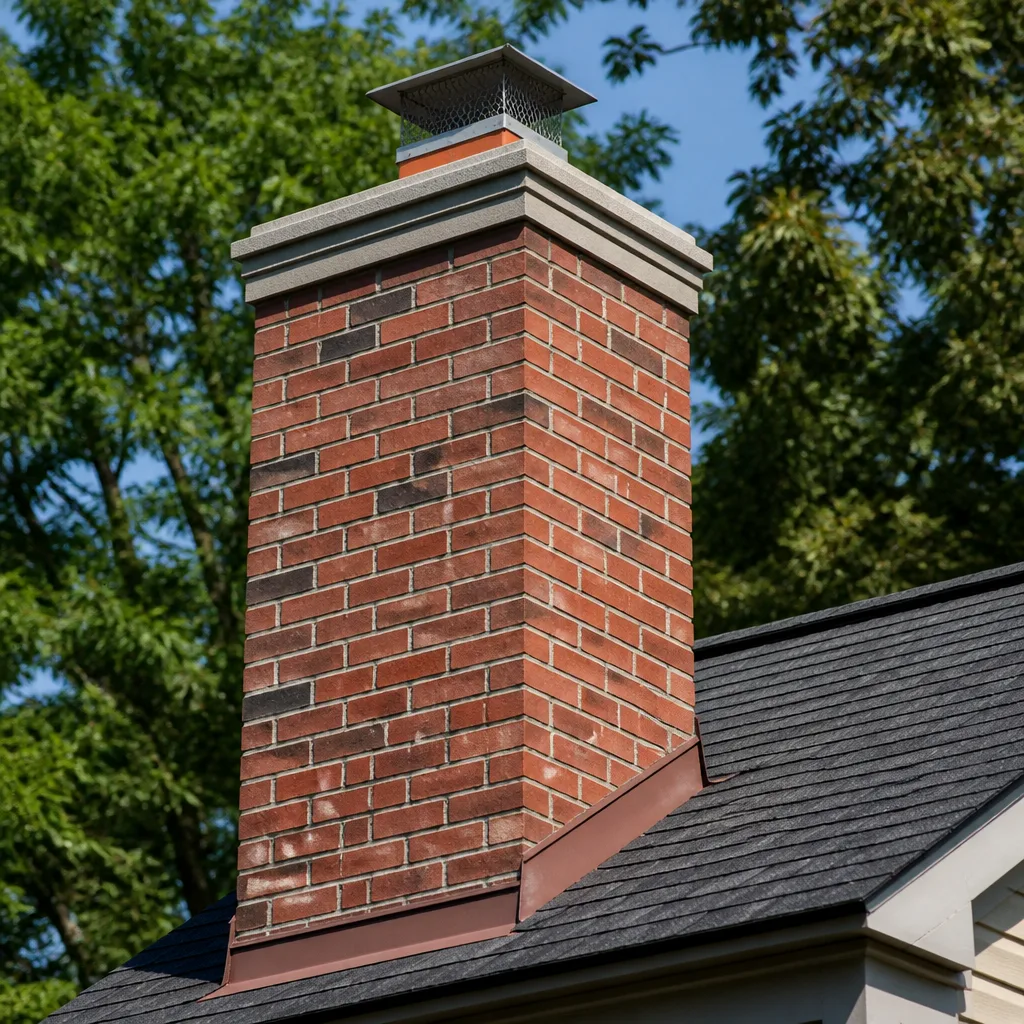 Masonry repair
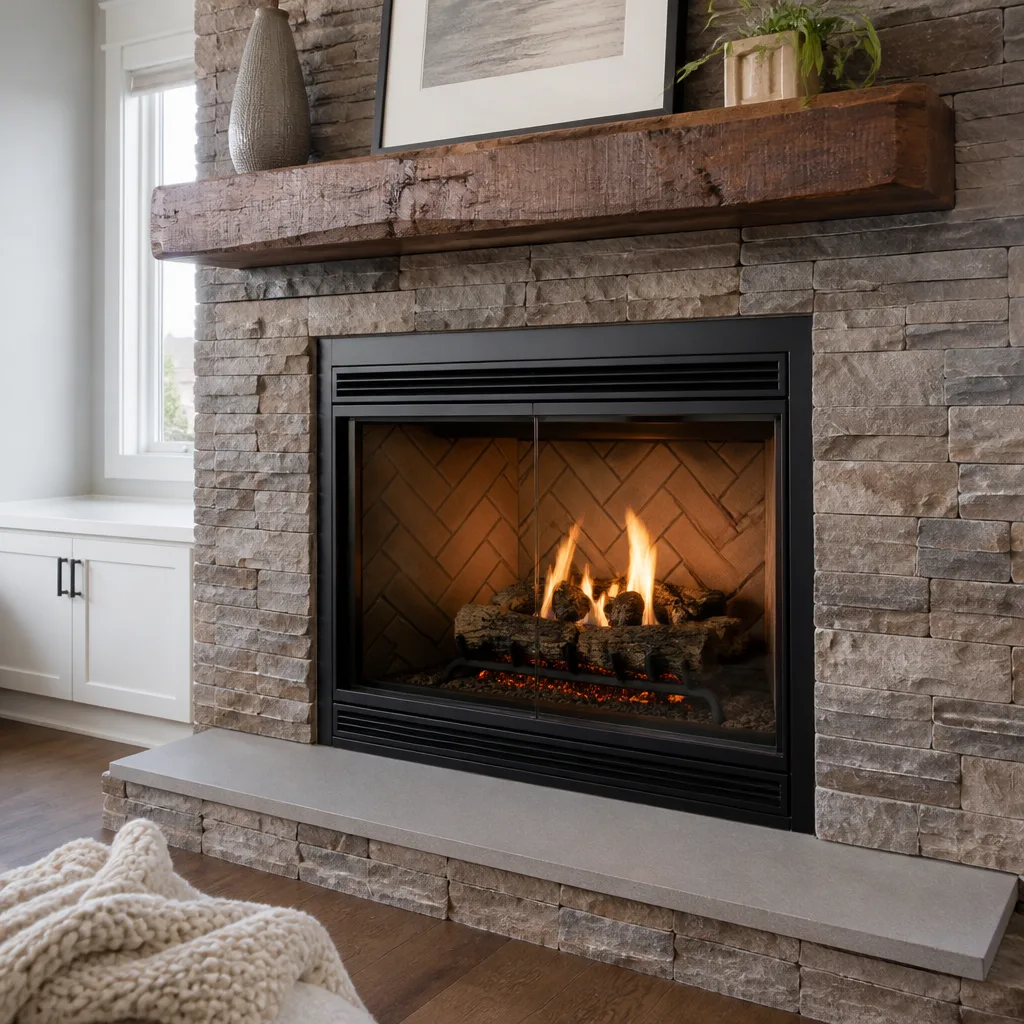 Gas fireplace service
Level 1 sweep and inspection to the NFPA 211 annual standard - flue, crown, cap, and flashing checked and photographed
Chimney sweep logs do not sweep chimneys. They loosen some creosote - which then falls where a brush and vacuum still have to collect it.
Chimney Sweep Maintenance Schedule: What to Do and When
The standard advice, sweep once a year before winter, was written for homeowners in Ohio. If you follow it in Coral Springs, you’re scheduling your inspection at exactly the wrong time relative to when your chimney actually takes on damage. Chimney use here is event-driven, not seasonal. Your fireplace runs on the handful of cool nights that justify it, and the real wear comes from the rainy season, wind, and the months your flue sits idle collecting moisture and pests. This guide replaces the calendar with a schedule built on how much you actually burn, what the weather does to your chimney, and a simple log that makes every technician visit faster and more accurate.
Quick Answer
The right sweep interval in Coral Springs is measured in firewood, not months. One cord of wood burned equals roughly one sweep. If you burn less than a cord a year, an annual inspection is usually enough and a sweep every second or third year may be all you need. Schedule a mid-summer inspection to catch rainy-season moisture and pest damage, and add a visual check after any named storm.
Styles & brands we work with
- Sweep & inspection
- Caps & crowns
- Flue relining
- Masonry repair
- Gas fireplace service
Table of Contents
- Why a Calendar Schedule Fails in Coral Springs
- How to Calculate Your Actual Sweep Interval
- The Case for a Mid-Summer Inspection
- Post-Storm and Post-Hurricane-Season Checklist
- What to Visually Check After a Named Weather Event
- Building a Chimney Use Log
- Repair Timing: What to Fix Now and What Can Wait
- Why Specification-Grade Materials Matter
Why a Calendar Schedule Fails in Coral Springs
A maintenance schedule only works if it matches how the equipment is actually used. In cold climates, the furnace runs for months and the chimney works hard on a predictable clock. In Coral Springs, the pattern is the opposite. Cool nights come in short bursts, sometimes scattered through what most of the country calls winter. A family might light eight fires in a season, or thirty, or none at all.
That mismatch matters for two reasons. First, chimney fires are fueled by creosote, a tar-like residue that builds up as a product of burning wood, not as a product of time. A flue that saw three fires this year may have almost no buildup. A flue that saw forty may be due. The calendar can’t tell the difference.
Second, Coral Springs weather does its damage to the chimney itself, not just the flue. Months of heat, humidity, and heavy rain go to work on masonry, mortar joints, and the crown that caps the structure. A chimney that sat through a wet summer without a cap is a different risk than one that sat through a dry one. Scheduling by month ignores all of it.
What this means in practice: stop asking “when is it time?” and start asking “how much has this chimney been through?” That’s a better question, and it’s easier to answer than it sounds.
How to Calculate Your Actual Sweep Interval
The number that matters is how much wood has gone up the flue. The widely used rule of thumb in the trade is one sweep per cord of wood burned. A cord is a stacked pile measuring four feet high, four feet wide, and eight feet long. Most homeowners burning for occasional ambiance go through well under a cord a year. Families who heat with wood and burn several nights a week can approach or exceed it.
Here’s how to work out your real interval:
- Estimate your annual wood use in cords. Watch your stack for a season. If you reason it out in face cords, remember that a face cord is a fraction of a full cord, roughly a third.
- Check how the wood burns. Seasoned, dry wood produces less creosote than green or damp wood. Unseasoned wood can build heavy residue fast, sometimes faster than the one-cord rule suggests.
- Factor in the fire’s character. Smoldering, low-oxygen fires that struggle to light leave more creosote than hot, active fires. A flue that’s repeatedly choked down can foul quicker than its cord count implies.
- Add a sweep for heavy-use years. A season with more fires than usual bumps you up a category. So does burning wood you’re unsure about, or a stretch of fires that never seemed to draw well.
- Book the inspection regardless. Even a low-use chimney should get a periodic inspection because buildup isn’t the only thing that goes wrong. A camera inspection sees cracks, gaps in the liner, and animal nesting that a quick look from below will miss.
The value of this approach is honesty. It also keeps you from paying for a sweep your chimney doesn’t need next year simply because a calendar said so. Our technicians have up to 10 years of experience and can tell you plainly what a season of use looks like in your flue.
The Case for a Mid-Summer Inspection
If you book a single visit a year in Coral Springs, book it in summer, before anyone lights a fire. Here’s the reasoning. The rainy season does its work between roughly May and October. By July or August, your chimney has absorbed the worst of it. Moisture saturates masonry, works into mortar joints, and finds its way to the crown. Pests treat an unused flue as a warm, dry apartment. Birds nest in the flue, bats settle into gaps around the cap, and sometimes worse.
A mid-summer inspection catches all of this before the first fire of the year. The timing is deliberate: it’s before the cool nights return, and after the worst of the wet weather has passed. A fall inspection would be just as easy to book, but it catches the same problems later, with less time to fix them.
A summer inspection covers:
- Moisture intrusion at the crown, flashing, and masonry joints.
- Animal nesting and debris inside the flue, removed before smoke has anywhere to go.
- Liner condition, checked with a camera and documented with a photo report you keep.
- Cap condition, since a damaged cap is how water gets in the first place.
- Overall interior condition, so any repair is planned for rather than discovered mid-season.
An inspection here is a genuine diagnostic. We diagnose first, so the repair we recommend is the repair you actually need. That’s the point of a mid-summer visit: to know what your chimney needs while there’s still time to plan.
Post-Storm and Post-Hurricane-Season Checklist
Every named weather event that comes through South Florida can move, loosen, or stress part of a chimney. Mast-mounted caps, venting components, and the crown take the load. After the season ends, and after any named storm, work through a check like this:
- Look at the cap first. A cap that’s shifted, sagging, or gone is the most common storm signature. A missing cap also means water and wildlife have an open door.
- Check the crown for cracks. The crown is the sloped crown at the top that sheds water. Cracks let rain run into the structure below.
- Inspect flashing and roof joints. Where the chimney meets the roof, wind lifts and pries. A loosened flashing is a leak waiting for the next rain.
- Scan the masonry for cracks and loose mortar. Older Coral Springs brickwork can show joint erosion after a wet season, and a storm can open a crack that rain then widens.
- Look inside the firebox and at the flue opening. Soot falling onto the firebox floor, or a visible gap, points to something having shifted above.
- Check for pests and nesting. Any disruption to a cap or flue opening is an invitation. Clear it before the first fire, not after.
- Note everything you see, in writing. A record of what changed helps the next technician compare and decide what’s urgent.
If anything on the list is beyond a look-from-below check, don’t climb. Masonry and roof work are height jobs, and we’d rather handle them than have you on a ladder. The right call is to have a professional take a proper look. Cap and venting repairs, correctly matched, belong with a specialist. We work with Gelco and Famco components for exactly this purpose.
What to Visually Check After a Named Weather Event
The storm checklist above is the full version. This is the quick one for any named event, before you call anyone. It’s not a substitute for an inspection, but it tells you whether you have a problem to report.
- From the ground, look up at the cap. Is it straight, attached, and whole? A cap that’s visibly crooked is worth a call.
- Look for missing or shifted pieces around the top. Venting components and caps are the most exposed parts of the system.
- Check the ceiling and walls near the chimney inside. A stain or damp patch after a storm suggests a leak at the flashing or crown.
- Note any dampness in the firebox or on its floor. A dry firebox after a storm is a good sign. A wet one means water is getting in.
- Watch for pests in the firebox. Birds or debris that show up after a storm usually came in through a changed opening.
If any of those look off, call us. We answer 24/7. Fast dispatch from 7am to 7pm, Sunday through Friday. A call outside dispatch hours is booked into the next opening, Sunday through Friday, 7am to 7pm.
Building a Chimney Use Log
A simple record of how you use your chimney makes every technician visit faster and more accurate. It takes a minute per fire, and over a season it produces a picture no calendar can. A notebook in the drawer beside the fireplace works. So does a notes file on your phone. The details that matter:
- Date of each fire, so patterns and total use become visible.
- Rough amount of wood burned, or number of logs, so the cord count is real rather than guessed.
- How the fire behaved. Easy to light and drawing well, or smoky, stubborn, or slow to catch? Draft is a symptom.
- Any smoke rolling into the room, which can point to a draft issue or a blockage.
- Observations. Animal noise, soot falling, odd smells, a change in the look of the firebox.
- Sweep and inspection dates, and what each visit found. Keep the photo report with your entry.
When you call to book, you can tell us what changed and when. That’s the difference between a visit that covers the real problem and one that just brushes a flue. Keep the log, and your next visit is a better visit.
Repair Timing: What to Fix Now and What Can Wait
Few things unsettle a homeowner more than being told their chimney needs thousands in liner or masonry work with no way to check the claim. We get it. So here’s how we work, and how to judge any quote.
Nothing is recommended without camera evidence. A camera inspection goes up the flue and documents condition with photos you see for yourself and keep. A crack that warrants a liner replacement shows up on the report. Surface damage that can be resurfaced rather than replaced shows up too. When we use HeatShield resurfacing, the point is to restore liner integrity without full reliner replacement, when the evidence supports it. That’s often the difference between a significant cost and a heavy one.
Some things can safely wait. A limited area of surface damage that has no structural or safety implication can be monitored and planned for. Others shouldn’t. Displaced liner sections, damaged crowns letting water in, and gaps that compromise the flue are all cases where waiting lets the problem grow. The guide here is your camera report. Look at it, ask questions, and let the evidence settle the dispute. A written estimate sets the final price, and the estimate is free.
Why Specification-Grade Materials Matter
Chimney repairs are not a place to save on parts. A liner system, a cap, or a venting component installed in a flue is out of sight and, for practical purposes, out of mind until something fails. The difference between a branded component and an anonymous one is usually the difference between a documented service life and a question mark.
We work with professional-tier product lines the trade specifies by name. DuraFlex liner systems, HeatShield chimney resurfacing, Gelco caps, Olympia Chimney supplies, Famco venting, and Copperfield specialty components. These are materials with performance histories, chosen to match the job rather than whatever comes in bulk. Full lifecycle under one company means the same people who swept your flue and inspected the liner carry out the repair, so nothing gets lost in a handoff to another contractor. From the crown to the firebox floor, one standard of work.
If you’re in Coral Springs and the cap you lost in a storm needs replacement, we’ll match it to a Gelco or Famco cap that fits and lasts. If your liner turns out to have damage, we can show you the evidence before we recommend the fix. That’s how a chimney should be cared for: swept, inspected, and repaired as one system.
Common Mistakes to Avoid
- Following the “once a year before winter” rule blindly. In Coral Springs, the cool season arrives in brief bursts, not sustained cold. That rule overbooks some homeowners and leaves heavier users under-served.
- Booking only a fall inspection. Fall works, but it catches rainy-season moisture and pest damage with less time to plan the repair before cool nights return. Mid-summer gives you real lead time.
- Skipping a post-storm check because the chimney “looks fine.” The parts most vulnerable, caps and flashing, are hard to see from the ground. The inside can show the problem first.
- Leaving the cap off after it comes loose. An open flue is an invitation to water, birds, and worse. Have it fixed properly with a matched Gelco or Famco cap rather than making it up with something generic.
- Burning green or damp wood to save money. Unseasoned wood builds creosote faster than dry wood. The saving on fuel can turn into heavier buildup and more frequent sweeps.
- Accepting a large repair quote without seeing the evidence. Ask for the camera report and photos. If the evidence isn’t shown, that’s your answer.
- Keeping no record of anything. Without a log of fires, drafts, and past visits, nobody, including you, can tell what actually changed and when.
- Treating repair and inspection as separate contractors’ jobs. One system, one company, one standard. Splitting the work across providers is exactly how problems get missed.
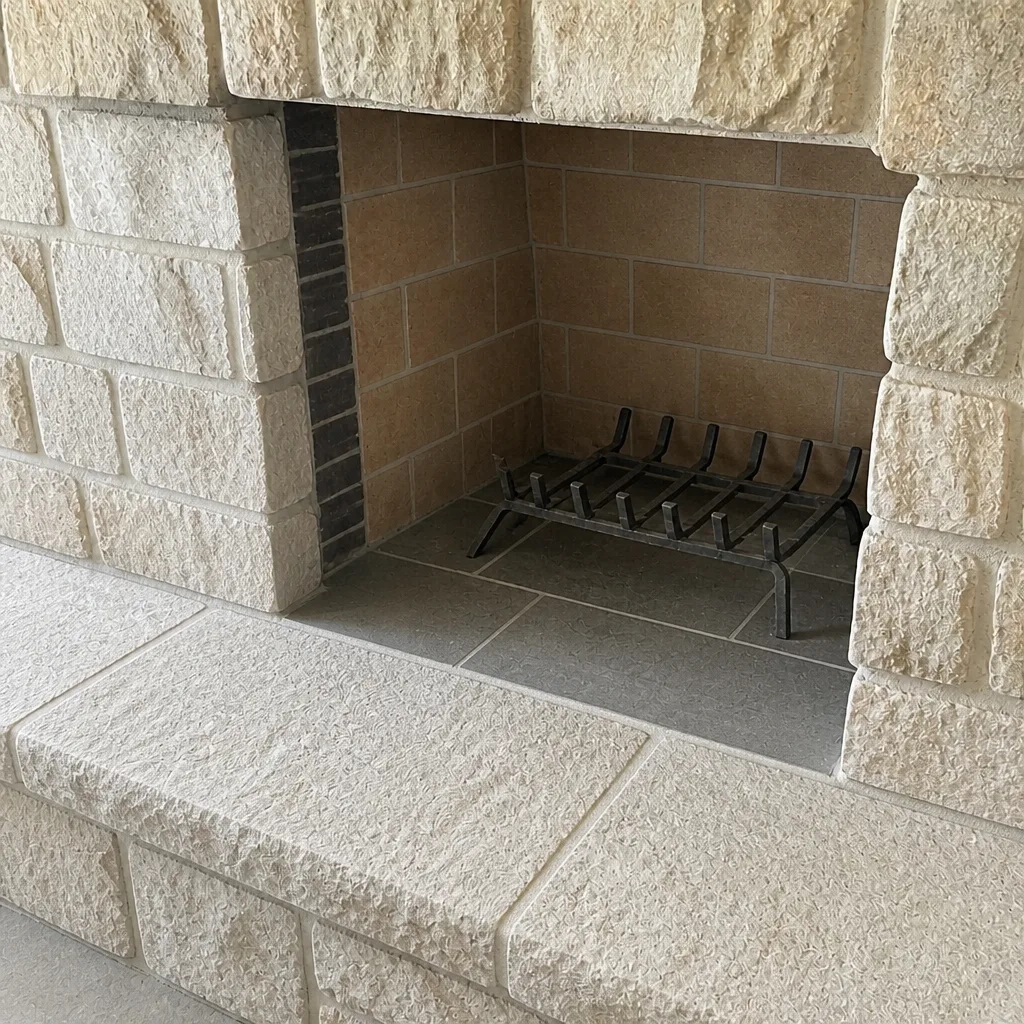
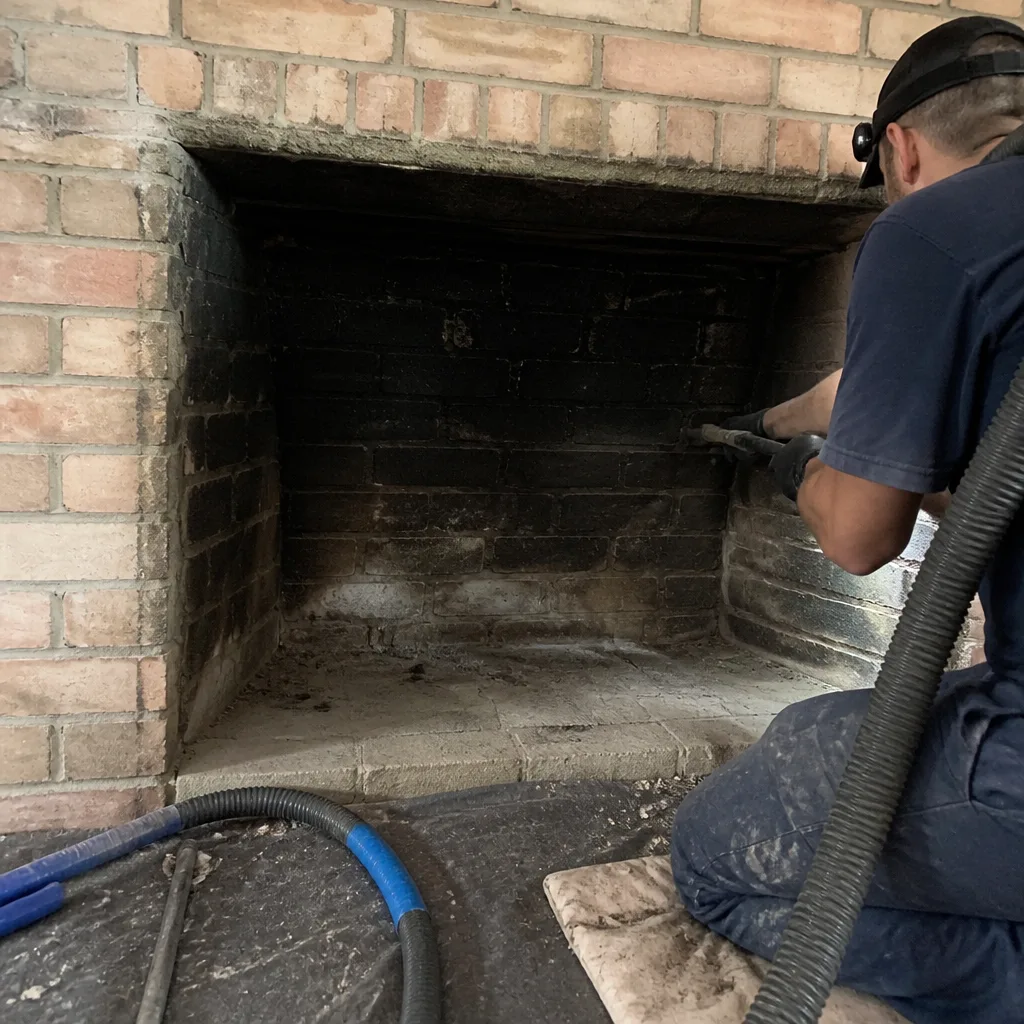
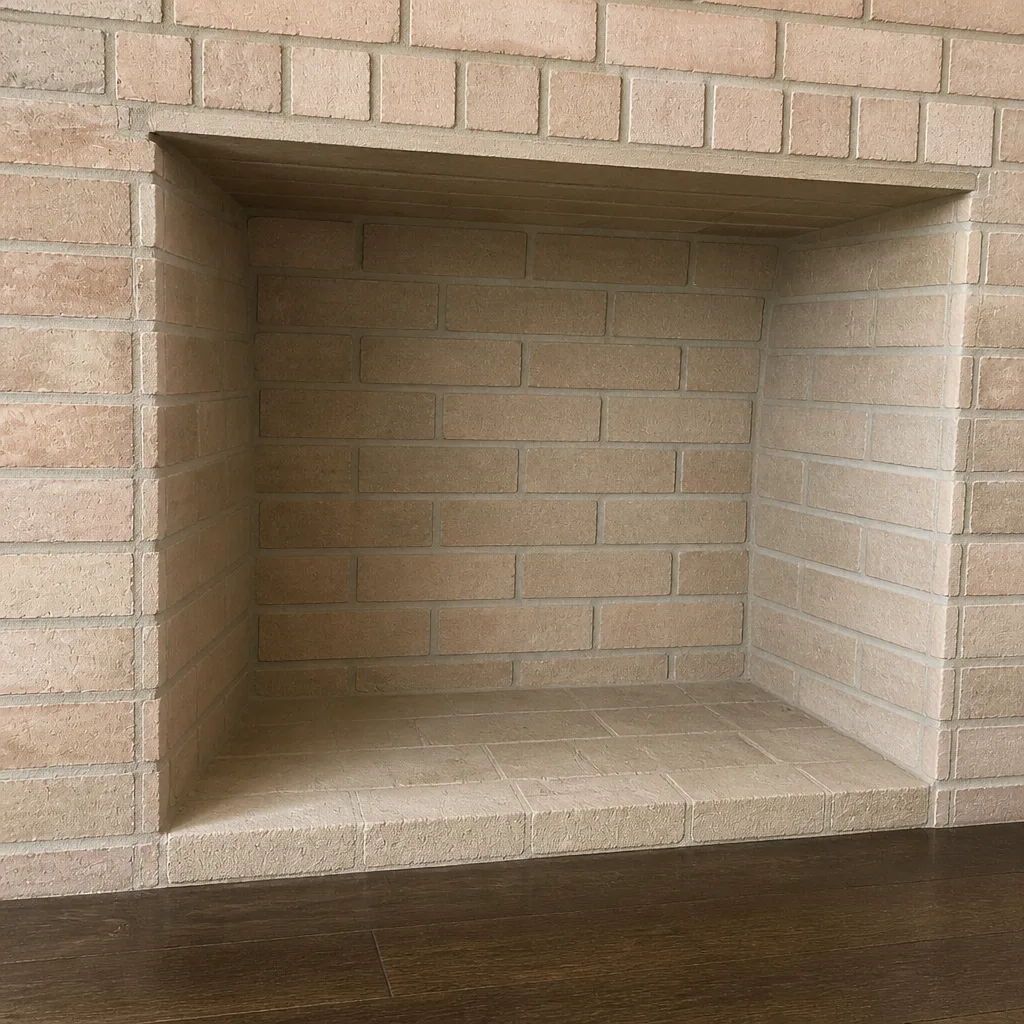
See the difference
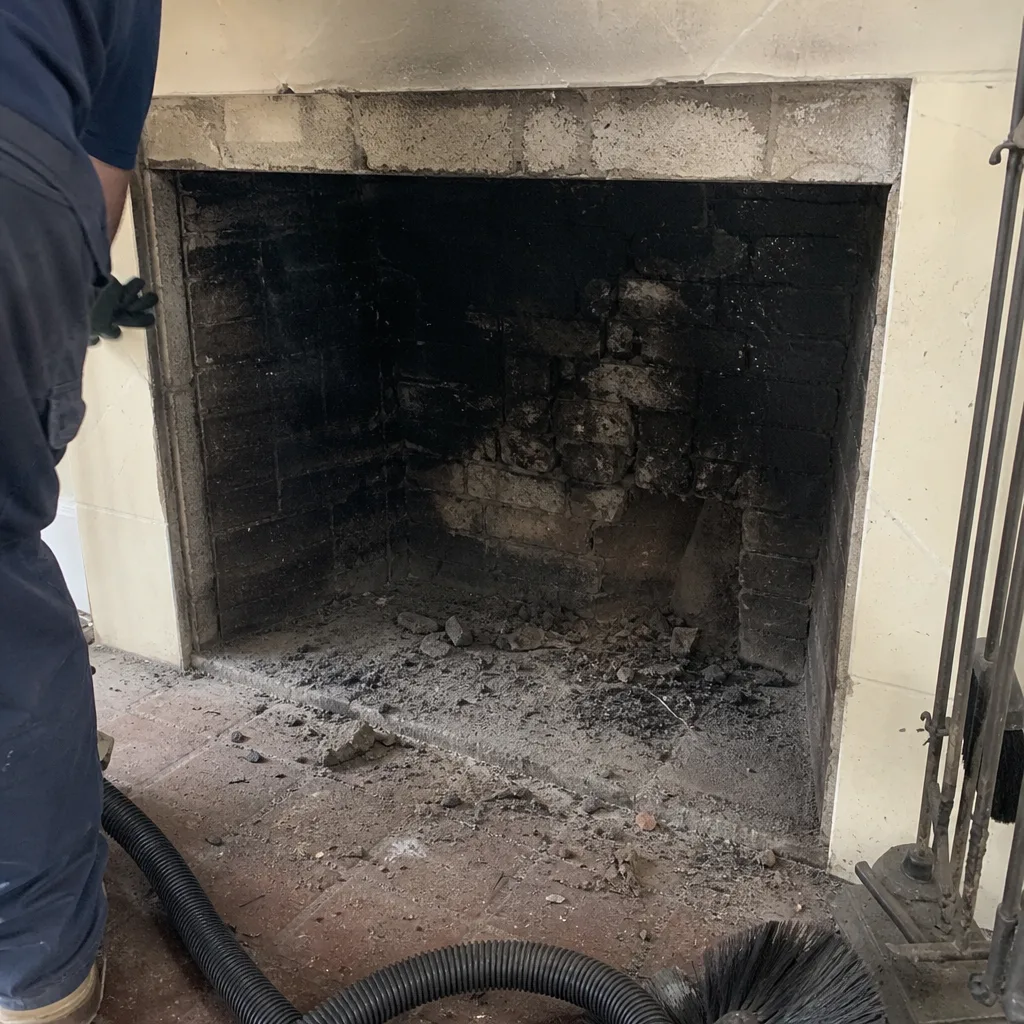 Before
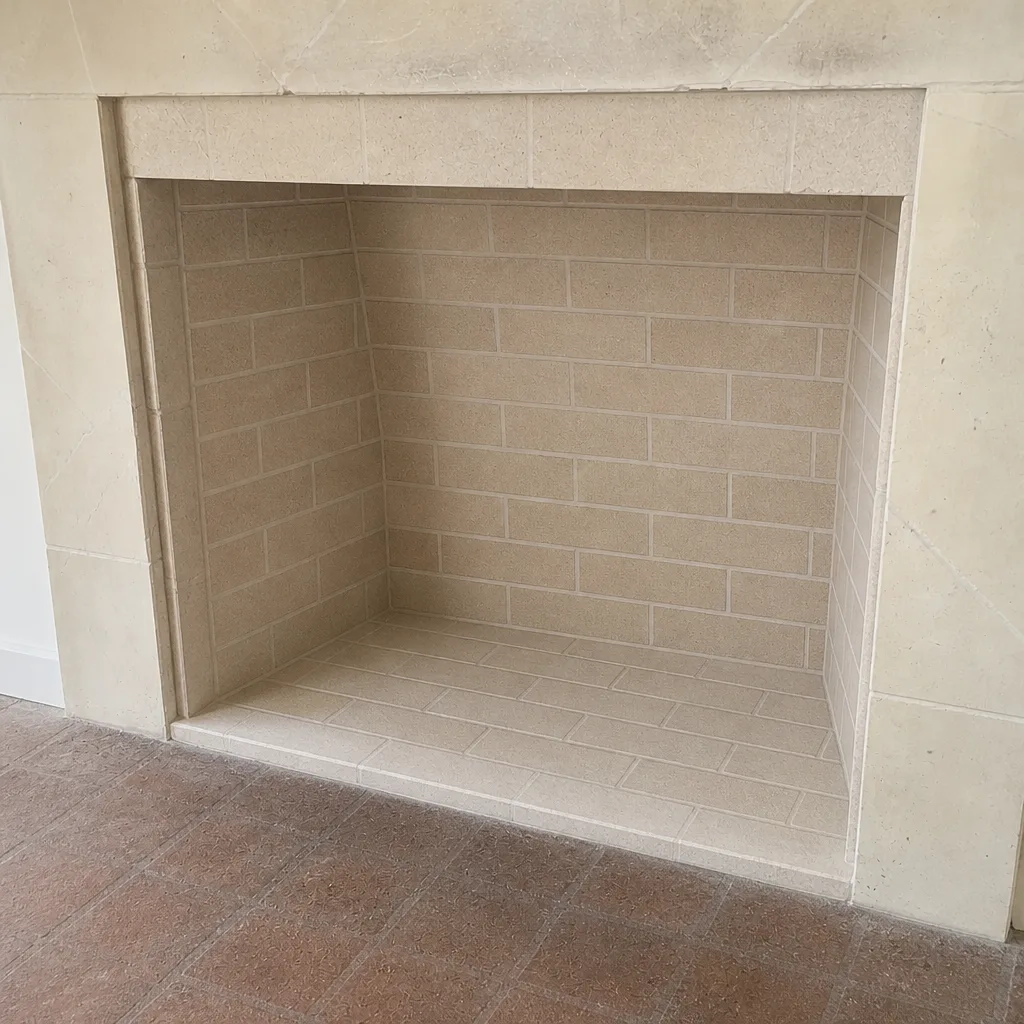 After
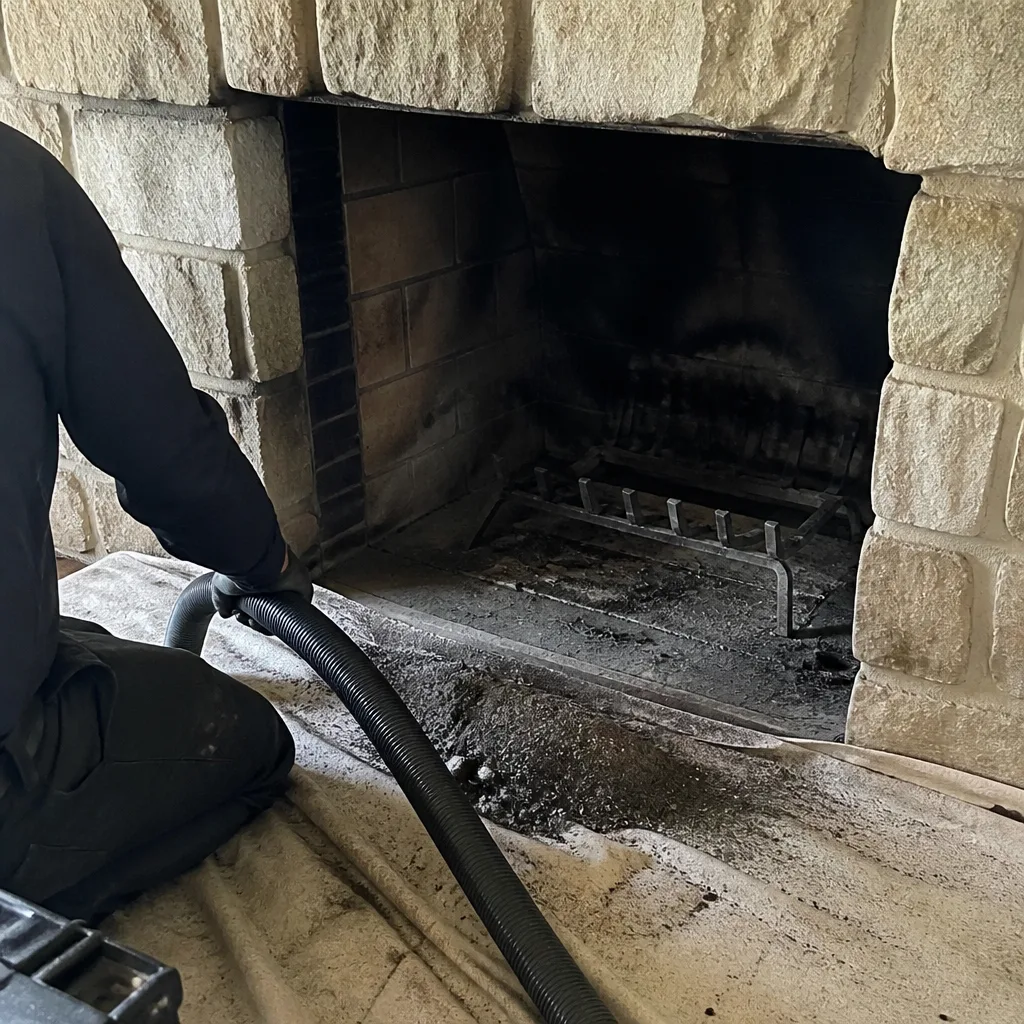 Before
 After
 Before
 After
When to Call a Professional
Some problems are simply outside what you can or should handle. If you see smoke rolling back into the room, smell a persistent smoky odor with no fire lit, notice soot falling into the firebox, or spot a cap that’s shifted or gone after a storm, it’s time to call. If you’ve burned more than a cord of wood since your last sweep, or you can’t remember the last sweep at all, book an inspection. If a different company has quoted liner or masonry work, get a second look with camera evidence you can read. And if you’re selling, buying, or insuring a home, a formal inspection as a standalone service covers the documentation you need. Carrington Chimney Sweep offers free estimates in Coral Springs. Call (844) 834-5492. We answer 24/7. Fast dispatch from 7am to 7pm, Sunday through Friday.
Frequently Asked Questions
Base it on how much wood you burn, not the calendar. The working rule is one sweep per cord of wood burned. Fireplaces used for occasional ambiance often need a sweep every second or third year, with an annual inspection in between. Heavier users, or anyone burning unseasoned wood, should sweep more often. Call (844) 834-5492 for an exact quote. Estimates are free.
We don’t fix a national number to a local job; the written estimate sets the price, and we work per job rather than by a flat fee. A routine sweep is the baseline, and an inspection that includes a camera report is priced as its own service. Because the estimate is free, the honest answer is to have us come out and put it in writing. Call (844) 834-5492 for an exact quote.
Often not, and you shouldn’t take “new liner” on faith. When the damage is surface-level, HeatShield resurfacing can restore liner integrity without full reliner replacement. The deciding factor is camera evidence you can see and keep. If the report shows damage that resurfacing can’t address, a full liner replacement is the honest answer. Ask to see the evidence, and we’ll show it. Call (844) 834-5492 for an exact quote.
Skipping it lets creosote accumulate and lets damage go unnoticed. The risks are chimney fire from a buildup that can’t escape, and water or pests finding a way in when a cap or crown has failed. The point isn’t to worry you, it’s that the evidence is easy to check. A camera inspection tells you what’s really going on. Call (844) 834-5492 for an exact quote. Estimates are free.
Yes, if you book only one. The rainy season is when moisture and pests take their toll, and a mid-summer inspection catches that damage after the worst of it and before the first fire of the year. It leaves more time to plan any repair. It also gives you a cleaner start to the cool season. Call (844) 834-5492 for an exact quote.
Ask for camera evidence and photos. A real diagnosis shows you the flue, the crown, and the cap, and lets you see for yourself. We diagnose first, so the repair we recommend is the repair you actually need, and when something can safely wait we’ll say so. Call (844) 834-5492 for an exact quote.
The Bottom Line
Build your chimney schedule around firewood and weather, not the calendar. Count cords to set your sweep interval. Book a mid-summer chimney inspection to catch rainy-season moisture and pest damage. Run a visual check after any named storm. Keep a log so every technician visit is a better one. When a repair is needed, protect the camera evidence and let it decide the case: HeatShield resurfacing, DuraFlex liners, and matched Gelco caps and Famco venting are there because they’re the right materials for the job. That’s the approach we take throughout Coral Springs.
Call (844) 834-5492 for a free estimate. We answer 24/7. Fast dispatch from 7am to 7pm, Sunday through Friday. Estimates are free.
Written by the team at Carrington Chimney Sweep.