
Last updated November 15, 2026
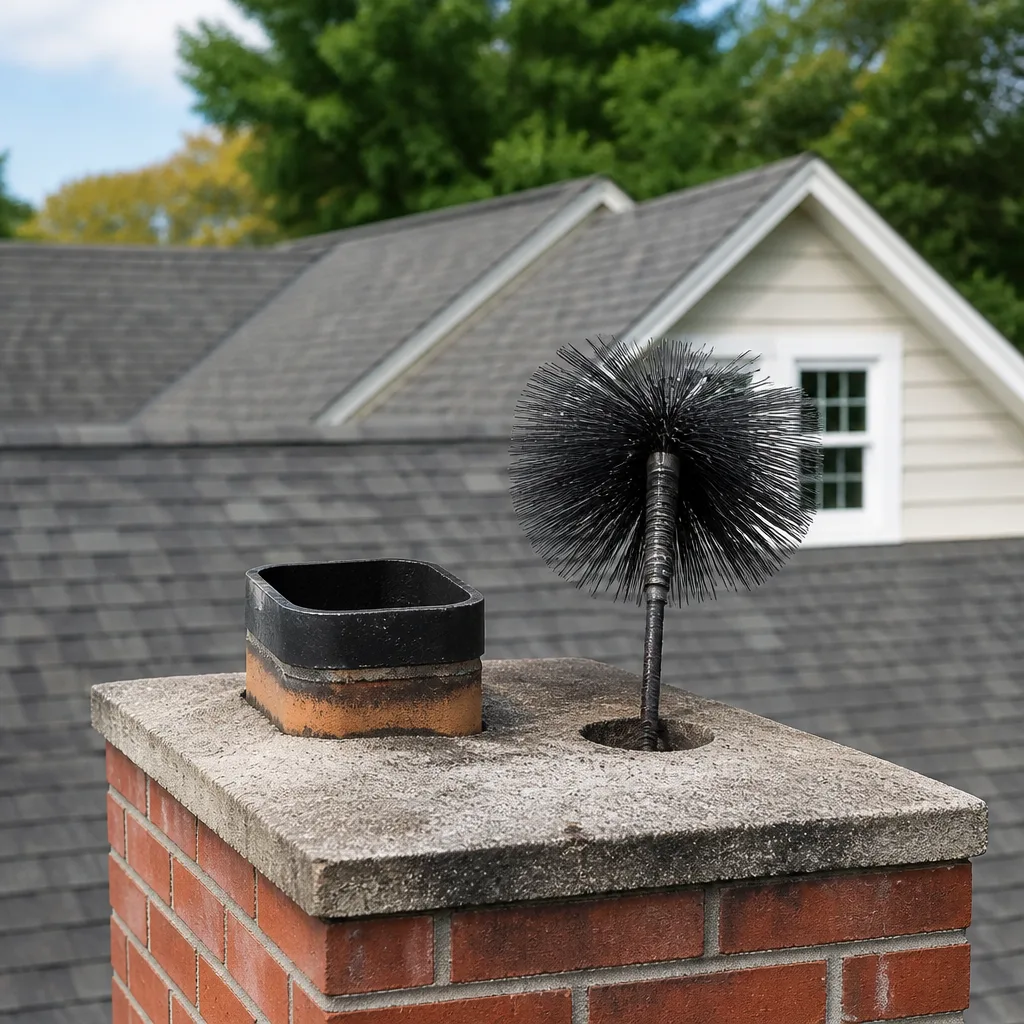 Sweep & inspection
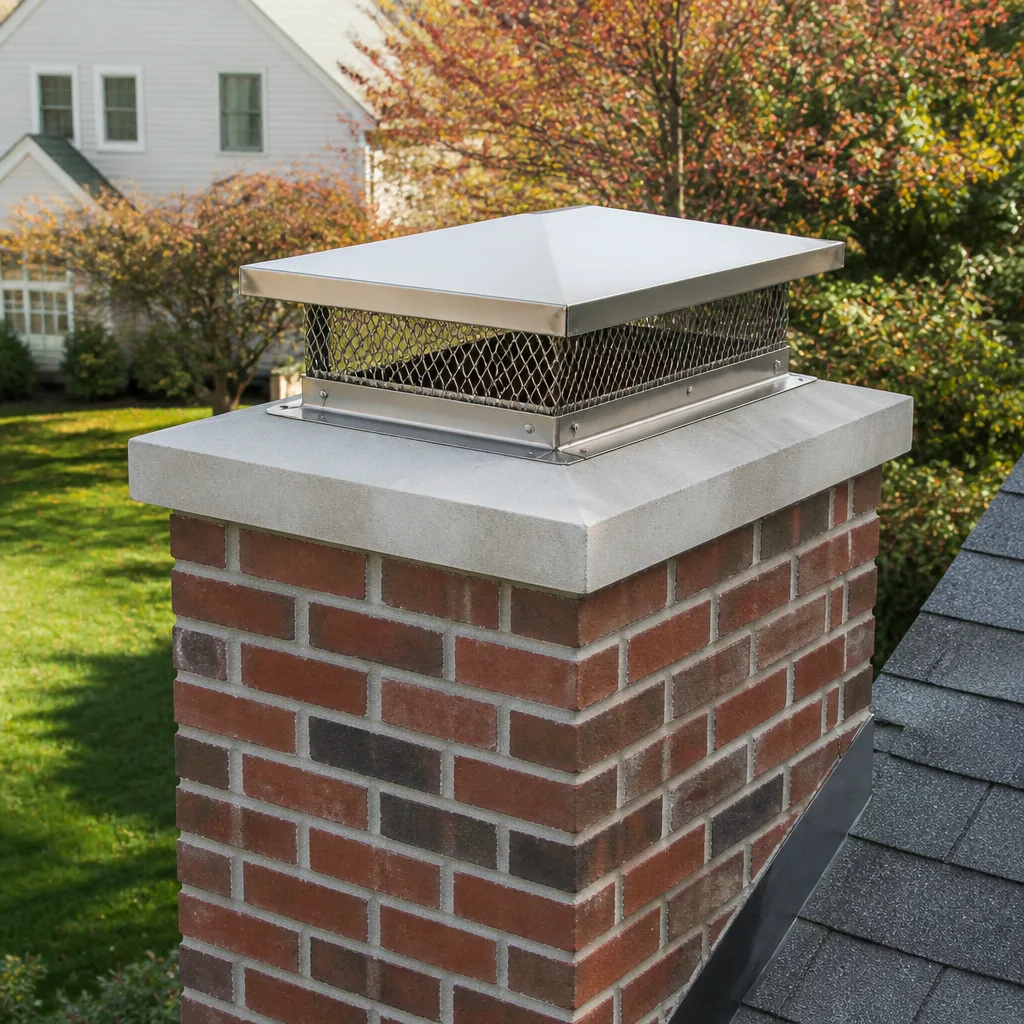 Caps & crowns
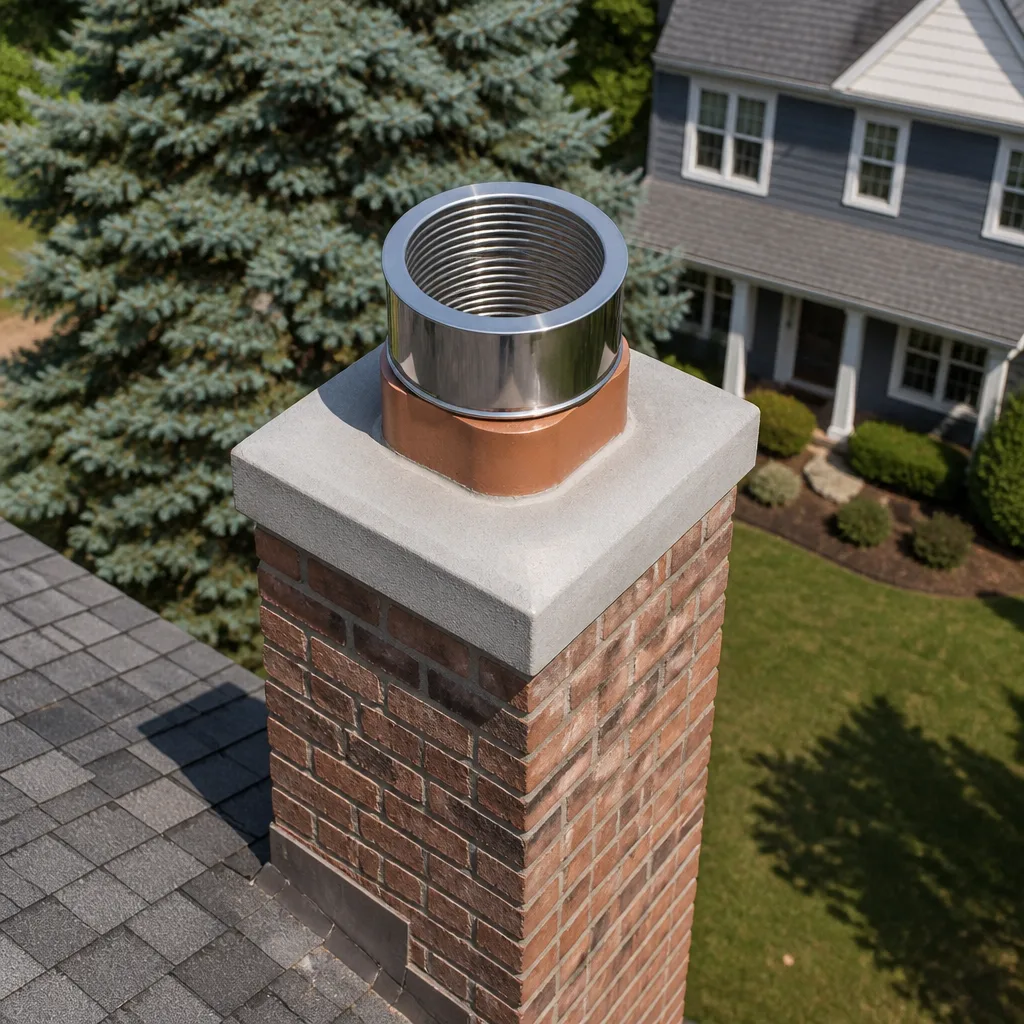 Flue relining
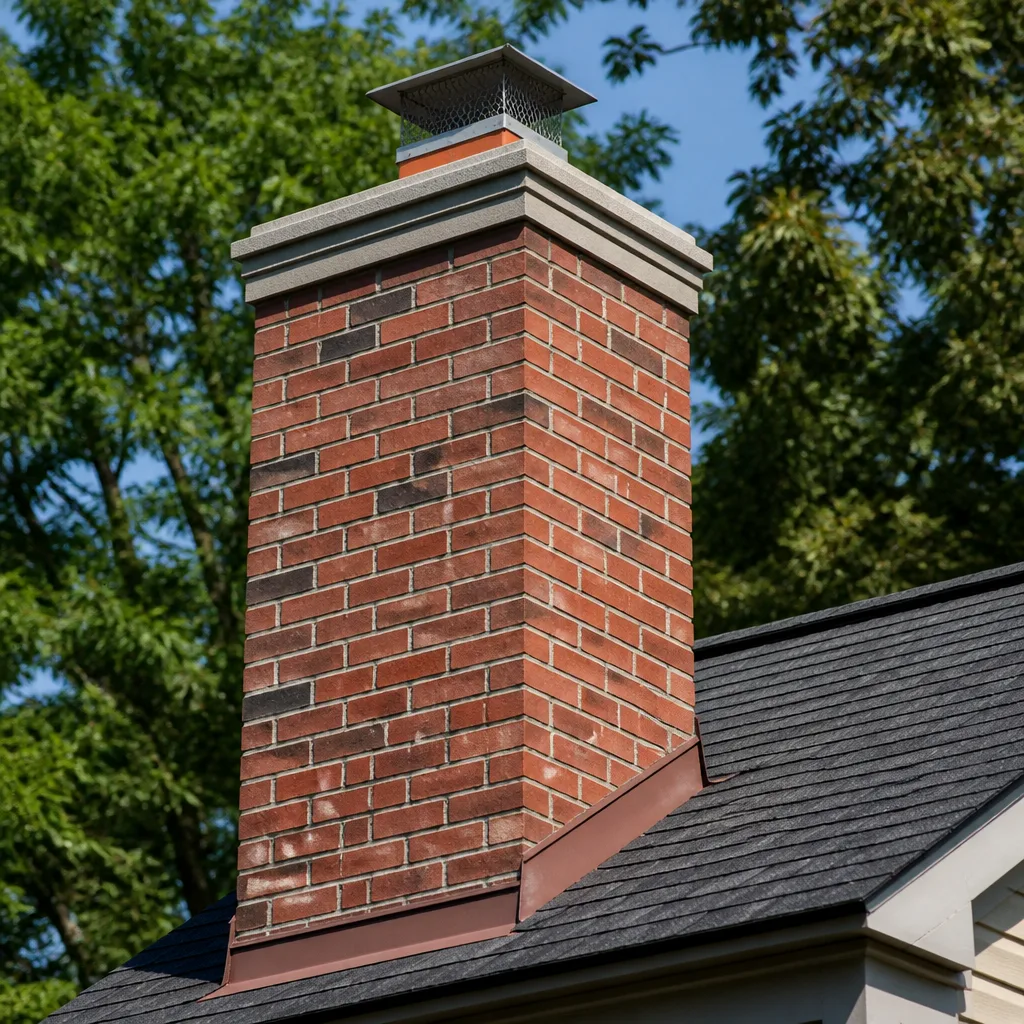 Masonry repair
 Gas fireplace service
Level 1 sweep and inspection to the NFPA 211 annual standard - flue, crown, cap, and flashing checked and photographed
Chimney sweep logs do not sweep chimneys. They loosen some creosote - which then falls where a brush and vacuum still have to collect it.
Chimney Sweep Troubleshooting in Coral Springs: Common Problems and How to Fix Them
A chimney that gets used a handful of times a year isn’t a low-maintenance chimney. It’s a structure that sits damp, unventilated and unwatched for months at a stretch, and that’s exactly when moisture damage, pest intrusion and glazed creosote quietly compound. Most national chimney guides are written for cold-weather markets where a fire burns every night from November to March. Coral Springs doesn’t work that way. Our winters are mild, our fireplaces often sit idle, and the problems we diagnose here trace back to humidity, air conditioning and subtropical debris far more often than to the causes those guides describe. This guide walks through the troubleshooting sequence we use on Coral Springs chimneys, from the firebox floor to the flue crown.
Quick Answer
The most common chimney problems in Coral Springs are draft failure caused by air conditioning pressure differentials, humidity-driven efflorescence mistaken for active leaks, pest and palm debris blocking the flue, and heavy creosote in fireplaces that are barely used. Most are diagnosable before any repair is quoted: a camera inspection shows the actual condition inside the flue, and the fix follows the evidence rather than a sales pitch. Sweeping, repair and inspection handled as one complete system is how a Coral Springs chimney gets back to safe, code-compliant function.
Styles & brands we work with
- Sweep & inspection
- Caps & crowns
- Flue relining
- Masonry repair
- Gas fireplace service
Table of Contents
- Why Does My Fireplace Smoke in Coral Springs?
- Efflorescence or Active Leak: How to Tell the Difference
- The Coral Springs Debris Profile: Palm Fronds, Lizards and Wasps
- Why a Rarely Used Fireplace Can Have Heavier Creosote
- What You Can Safely Check From the Firebox
- Humidity, Unventilated Flues and Long-Term Moisture Damage
- Repair Options: HeatShield Resurfacing vs. Full Relining
- How Often Does a Coral Springs Chimney Need Sweeping?
Why Does My Fireplace Smoke in Coral Springs?
Smoking fireplaces in Coral Springs are frequently a pressure problem, not a flue-sizing or blockage problem. A house sealed up and running central air pulls air in and pushes air out in a way that can starve a fireplace of the combustion air it needs, and the smoke has nowhere to go but into the room. This is the single most misdiagnosed chimney issue in South Florida, because the flue itself can be perfectly clean and correctly sized and the fireplace will still smoke when the house is under negative pressure.
Before assuming the worst, here’s the sequence we walk through:
- Check the pressure balance. Crack a window near the fireplace a half inch and light a small test fire. If the smoking stops, the flue is likely fine and the house is depressurized.
- Look at exhaust appliances. A kitchen range hood, a bathroom fan or a clothes dryer running at the same time as the fire can pull enough air to reverse a weak draft.
- Confirm the damper is fully open. A partially open damper is a common and easy fix.
- Check the chimney cap. A missing or damaged cap lets wind and downdrafts push smoke back down the flue.
- Rule out blockage. A nest, a palm frond or a collapsed liner section will cause the same symptom and needs a camera inspection to confirm.
If steps one through four don’t solve it, the next step is a proper inspection. A smoking fireplace is worth diagnosing correctly before it’s used again, and that’s the kind of troubleshooting our chimney repair work starts with every time.
Efflorescence or Active Leak: How to Tell the Difference
The white, chalky stain on a chimney’s exterior is the most misread symptom in Coral Springs chimney troubleshooting. Efflorescence is mineral salt pushed to the surface as moisture moves through masonry and evaporates. It means moisture has been present, but not necessarily that water is getting in right now. Active water intrusion looks different and needs a different fix entirely. Getting the two confused leads homeowners to pay for waterproofing when they needed a crown repair, or the reverse.
How to Distinguish Them
- Efflorescence is powdery, dissolves when you rub it with a wet finger, and tends to reappear slowly after rain seasons. It indicates past or ongoing moisture movement through the masonry but no current leak path.
- Active intrusion shows as dark staining, rust streaks below the crown, damp patches inside the firebox or smoke chamber, or water pooling on the damper. These point to a specific failed component: a cracked crown, failed flashing, a deteriorated cap or open mortar joints.
- The timing test. Note whether staining worsens only after heavy rain or stays damp in dry weather. A steady dampness in dry weather points to humidity and lack of ventilation. Rain-triggered staining points to an active leak path.
In our experience across Coral Springs, humidity-driven efflorescence is far more common than true leaks, because so many chimneys sit unused and unventilated through the wet season. The fix for efflorescence is usually improved ventilation and a properly fitted cap. The fix for active intrusion is locating and sealing the actual failure point. Neither should be guessed at. A camera inspection and a close look at the crown, flashing and cap settle which one you’re dealing with.
The Coral Springs Debris Profile: Palm Fronds, Lizards and Wasps
Coral Springs chimneys collect a specific mix of debris that cold-weather guides never mention. Palm fronds, seed pods, anole lizards, geckos and paper wasps all find their way into uncapped or poorly capped flues, and each blocks the chimney differently. Recognizing what’s in there tells you what kind of blockage you’re dealing with and whether it can safely wait for a scheduled sweep or needs attention sooner.
How Each Type Affects the Flue
- Palm fronds and seed pods are the worst offenders. A frond that drops onto the smoke shelf or lodges partway down the flue creates a physical restriction and a tinder bundle. Palm material is dry and fibrous and burns hot, which makes it a real fire-loading concern rather than just an annoyance.
- Lizards and geckos rarely block a flue, but they nest and die in the smoke chamber and firebox, and the debris they leave behind attracts wasps and holds moisture. Their presence is usually a sign the cap is missing or damaged.
- Paper wasps build nests on the underside of caps, in the smoke chamber and around the damper. A nest built inside a flue opening restricts the flue and turns a routine sweep into a careful removal job that shouldn’t be attempted without protective equipment.
- Bird nests and squirrel debris pack into the smoke shelf and creosote, creating a dense, flammable plug that restricts draft and holds moisture against the liner.
The fix for all of it starts with a proper cap. Our chimney sweep service routinely finds flues that have gone uncapped for years and are packed with subtropical debris. When we install a cap, we fit a matched component such as a Gelco or Famco cap so the repair is finished with hardware rated for the job rather than a generic aftermarket cover.
Why a Rarely Used Fireplace Can Have Heavier Creosote
The counterintuitive truth about Coral Springs chimneys is that the carefully preserved, barely used fireplace often carries a heavier creosote load than the one that gets a hot fire every cold snap. Creosote forms most aggressively in low-heat, incomplete burns. A smoldering fire built with wet or unseasoned wood, or a fire that’s allowed to die down slowly because the homeowner is heading to bed, produces the sticky, glazed creosote that’s the hardest to remove and the most dangerous to leave. A hot, well-ventilated fire burns cleaner and leaves less behind.
The Three Degrees of Creosote
- First degree: a light, flaky soot that brushes off easily. This is normal and expected after a season of occasional use.
- Second degree: a crusty, flaky layer of hardened creosote that brushes off with effort and proper tools. Still removable with a standard sweep.
- Third degree: glazed, tar-like creosote that has baked onto the liner. It’s difficult to remove with a brush alone and represents the highest fire-loading concern. Glazed creosote is the reason a rarely used fireplace still needs a sweep before the season begins.
Because so many Coral Springs fireplaces see only a handful of fires per year, the creosote that does form tends to sit and harden over the humid months rather than being burned off by continued use. That’s why we recommend an inspection before the first fire of the season, not after the last. Our technicians have up to 10 years of experience reading creosote condition and can tell you from a camera inspection which degree you’re looking at and whether a repair is warranted. From there, the right call might be a routine sweep, a HeatShield resurfacing to restore a glazed liner, or a watch-and-wait.
What You Can Safely Check From the Firebox
You don’t need to climb onto the roof to start troubleshooting a chimney problem in Coral Springs. A lot of useful information is visible from the firebox floor, and a homeowner who knows what to look for can tell us a great deal before we ever arrive. What you should not do is go up on the roof, open the smoke chamber, or reach into the flue.
Safe Observations From the Firebox
- Look up with a flashlight. You can see the damper, the smoke shelf and the bottom of the flue. Note any visible blockage, nest material, water staining or loose debris.
- Test the damper. It should open fully and close cleanly. A damper that’s stuck or won’t seal is a draft problem you can identify without tools.
- Check for water. Look for dampness on the damper, rust on the firebox walls or a moisture line on the smoke shelf. Report what you find.
- Look at the firebox masonry. Cracks in the firebox walls, loose mortar or missing firebrick are visible from the floor and should be flagged for a professional.
- Note the exterior at ground level. From the yard, look at the crown and the flashing line. Cracks in the crown, missing cap pieces or visible gaps in the flashing tell you something’s wrong up top.
What you should never do: climb onto the roof, remove the chimney cap, or reach into the flue. A chimney is a fall hazard and, more importantly, a creosote-lined cavity that can hold a fire load you can’t see. The point of a good diagnostic sequence is to get information safely and hand the dangerous parts to a trained professional.
Humidity, Unventilated Flues and Long-Term Moisture Damage
Coral Springs sits in a subtropical climate with high humidity across most of the year, and that’s the single biggest driver of chimney damage in the area. A chimney that isn’t used is a chimney that isn’t ventilated. Warm, humid air can’t escape up the flue, and it condenses on the cooler interior surfaces. Over months and years that moisture moves through the masonry, mortar and liner, and the damage compounds quietly and invisibly.
Where the Damage Shows Up
- Mortar joints: Moisture softens and erodes mortar, which loosens brick and reduces structural integrity.
- Crown and flashing: Small cracks expand with each wet season and allow water to reach the smoke chamber.
- The liner: Clay or metal liners in contact with moisture can flake, crack or corrode, which then affects drafting and fire safety.
- The smoke chamber and shelf: This is where debris and moisture collect, and it’s the area most likely to be missed in a quick sweep.
The practical fix is a properly fitted cap to keep rain and debris out and a sweep-and-inspection routine to keep the flue clear and ventilated. The best time to schedule a Coral Springs sweep is before fire season begins, and that’s the point in the year an inspection catches the moisture damage the summer humidity left behind. Carrington Chimney Sweep covers the full lifecycle, sweep, repair and inspection, under one company, so the person who diagnoses the problem is the same team that fixes it. If you’re in Coral Springs and your fireplace has been idle for the whole wet season, an inspection before the first fire is worth the call.
Repair Options: HeatShield Resurfacing vs. Full Relining
A damaged flue liner doesn’t always need a full replacement. That’s one of the most useful things to know about Coral Springs chimney repair, and it’s a place where a generalist handyman and a chimney specialist diverge. When the liner damage is moderate, HeatShield resurfacing can restore the liner’s integrity and code-compliant function without tearing out and replacing the whole flue. When the damage is more extensive, a full reline is the correct answer. The diagnostic evidence decides which one applies.
When Each Repair Makes Sense
- HeatShield resurfacing is appropriate for a liner with cracks, spalling or gaps that haven’t compromised the structural integrity of the flue. It restores the surface and seals the breaches without a full reline.
- Full relining with DuraFlex is the right call when the liner is severely damaged, missing, or out of compliance with current code, and resurfacing won’t bring it back to safe function.
- Crown, cap and flashing repair addresses the entry points that let water in, using matched components such as a Gelco cap or Famco venting where the job calls for them.
The repair we recommend is the repair the evidence supports, not the most expensive version of the job. HeatShield resurfacing is a specialist solution many basic sweep companies don’t offer or don’t stock, and where it applies it saves homeowners the cost of a full reline while restoring the liner to code. That’s the value of working with a chimney specialist instead of a general tradesman. Specification-grade materials from brands professionals rely on, DuraFlex, HeatShield, Olympia Chimney and Copperfield among them, mean the repair is finished with the same components certified chimney engineers specify.
How Often Does a Coral Springs Chimney Need Sweeping?
A Coral Springs chimney doesn’t follow the cold-climate rule of annual sweeps for every household, but “rarely used” doesn’t mean “never swept.” The right sweep frequency depends on how much wood you burn, how well the wood is seasoned, and what the inspection shows inside the flue. For a fireplace used a few times a year, an inspection before the season and a sweep when the camera shows the buildup warrants it is a reasonable routine. For a household that burns regularly through the mild winter, an annual sweep is the safer standard.
A Practical Sweep Schedule for Coral Springs
- Before fire season, inspect the flue and cap and check the crown and flashing. This is the season after the humidity damage has had time to show.
- Every cord of wood burned, or once a year, whichever comes first, sweep the flue.
- After any palm-frond storm or heavy debris event, check the cap and the flue for a new blockage.
- Before moving into a new home, get a formal inspection so you know the chimney’s actual condition before you start using it.
Regular guests at the top of the priority list are the Coral Springs homes with chimneys that have been sitting uncapped for a long while. If you don’t know the last time your chimney was swept, an inspection answers that question faster than anything else. That’s the core of what a Carrington Chimney Sweep visit delivers: an honest read on the flue, an option that matches the evidence, and no pressure to buy a reline you don’t need.
Common Mistakes to Avoid
- Assuming a rarely used fireplace doesn’t need sweeping. Low-heat, infrequent fires can leave heavier glazed creosote than hot, frequent ones, and the buildup sits and hardens over the humid months.
- Reading efflorescence as proof of a leak. White mineral staining is often humidity-driven moisture movement, not active intrusion, and the two need completely different repairs. A camera inspection settles which one you have before money is spent.
- Blaming the flue for a draft problem. The air conditioning running in a tight house can depressurize a fireplace and cause smoking regardless of flue condition. Test with a window cracked before assuming a block or reline.
- Running an uncapped flue in Coral Springs. Palm fronds, wasp nests and lizards find an open flue quickly, and palm debris in particular creates a real fire load. A matched cap is one of the cheapest preventive repairs on a chimney.
- Letting a general handyman quote a liner repair. HeatShield resurfacing and DuraFlex relining are specialist work with specialist product lines. A generalist will often recommend the most expensive option, or miss the resurfacing path entirely.
- Skipping the inspection when buying a home. A formal chimney inspection is a standalone service and is exactly what a real-estate transaction or an insurance review needs before the chimney’s condition becomes your problem.
- Climbing onto the roof to check the flue yourself. A chimney is a fall hazard and a fire-load hazard. Ground-level inspection with a flashlight is safe; the roof is not. Leave it to a trained technician.
See the difference
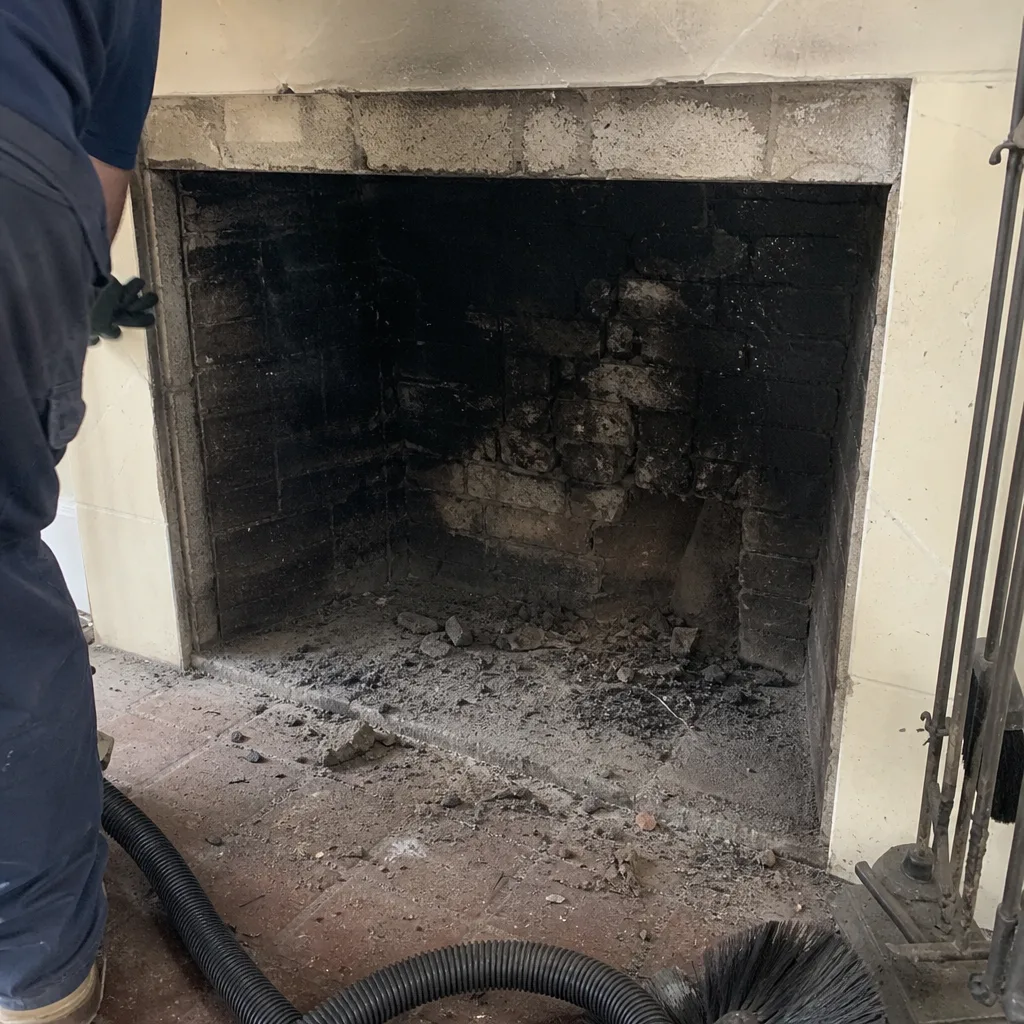 Before
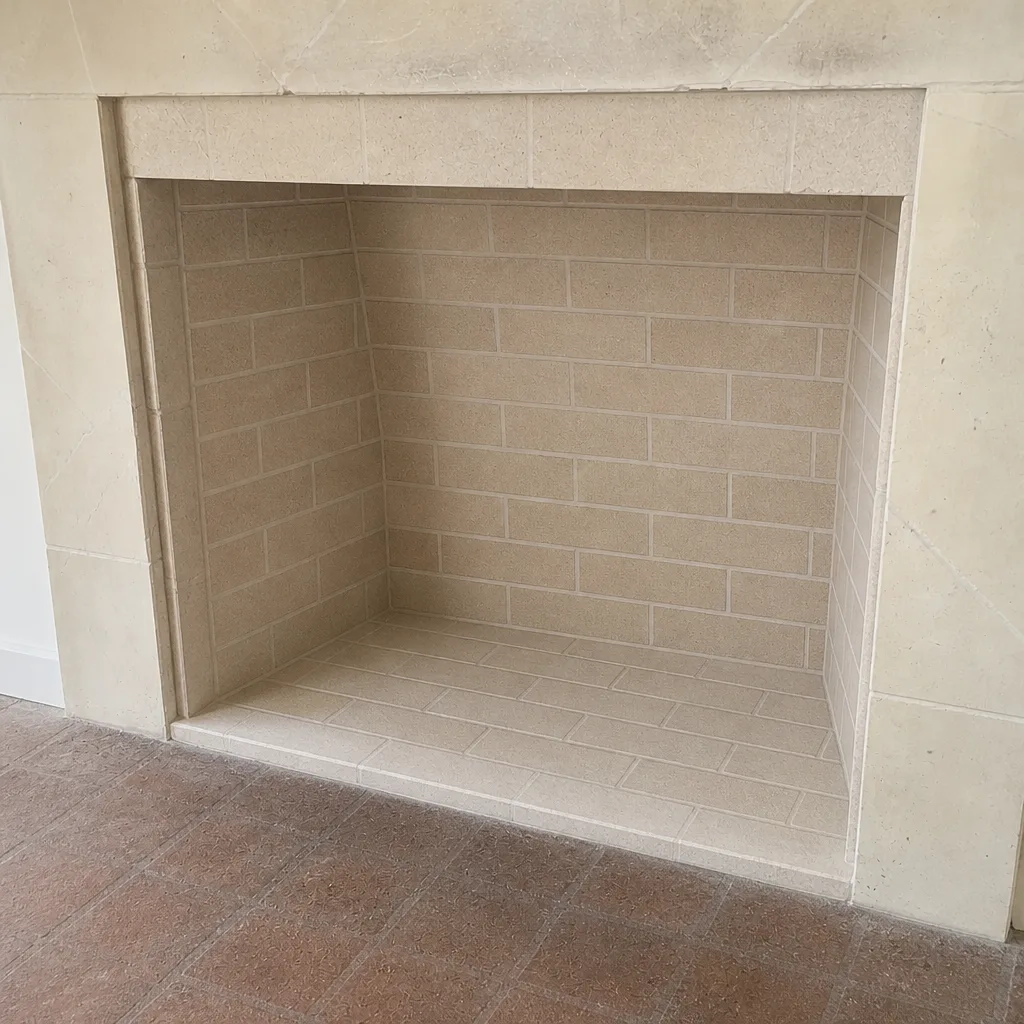 After
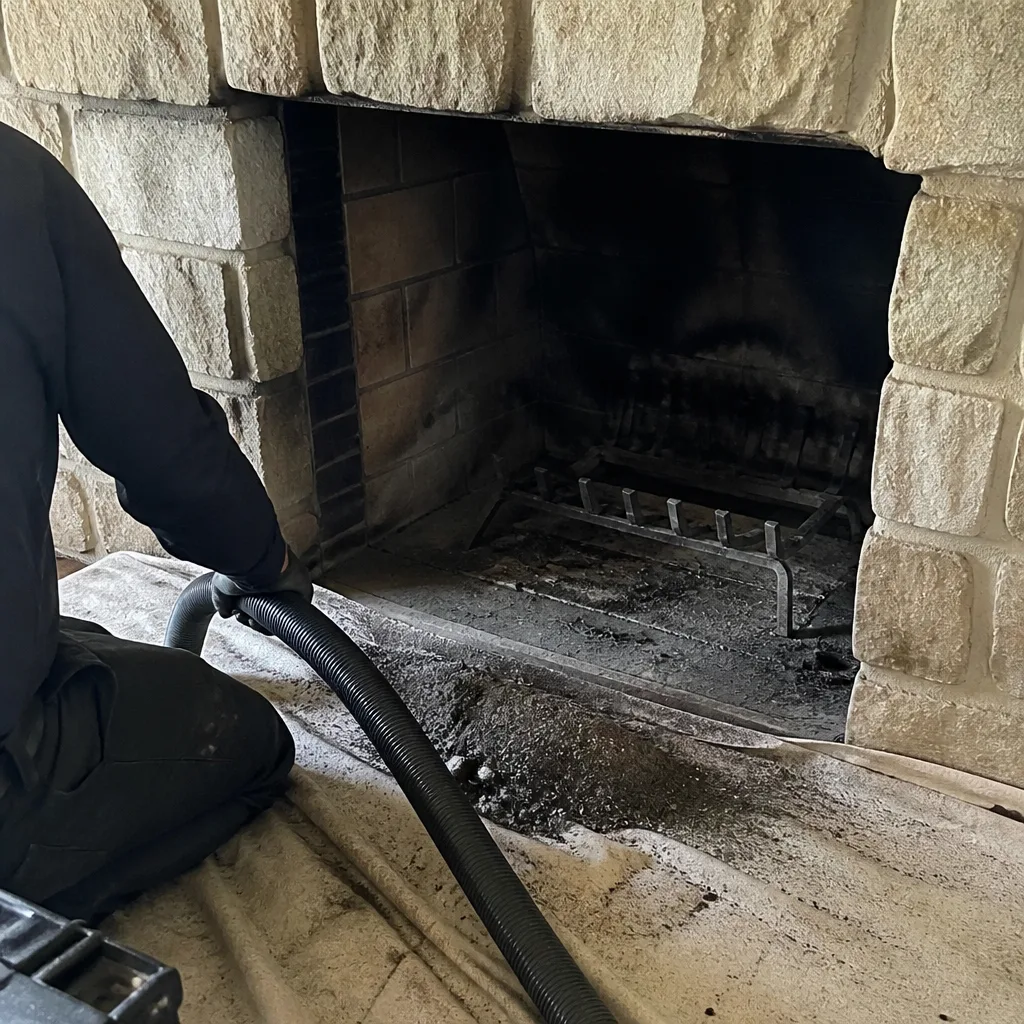 Before
 After
 Before
 After
When to Call a Professional
Call a professional when your fireplace smokes with the damper open and a window cracked, when you see water staining or dampness on the damper or firebox walls, when the crown or cap is visibly cracked or missing, or when you haven’t had the flue inspected and don’t know its condition. Call sooner if you suspect a wasp nest or palm debris in the flue, or if a new home purchase or insurance review requires a formal inspection. Those aren’t jobs for a weekend ladder and a brush, and the diagnostic evidence a professional camera inspection produces is what separates a real repair from a guessed one. Carrington Chimney Sweep offers free estimates in Coral Springs, call (844) 834-5492. We answer 24/7. Fast dispatch from 7am to 7pm, Sunday through Friday.
Frequently Asked Questions
A chimney sweep in Coral Springs typically runs a few hundred dollars per job, and the written estimate sets the exact price. The estimate is free, the price is set per job by the written estimate, and it depends on the flue condition, the debris load and whether a camera inspection is added. Prices are per job by estimate, not a flat charge across every chimney. Call (844) 834-5492 for an exact quote, estimates are free.
Not always. A moderate liner problem can often be restored with HeatShield resurfacing, which brings the liner back to safe, code-compliant function without a full reline. A full reline with DuraFlex is the right call only when the liner is severely damaged, missing or out of compliance and resurfacing won’t bring it back. The camera inspection is what tells you which applies, and we show you the evidence before recommending either. Call (844) 834-5492 for an exact quote, estimates are free.
Because the air conditioning is depressurizing the house and starving the fireplace of combustion air. A sealed, air-conditioned home can pull outside air in and push flue air out in a way that reverses draft, and the smoke follows the pressure into the room. Crack a window near the fireplace and test a small fire: if the smoking stops, the flue is likely fine and the house pressure is the problem. If it doesn’t stop, the flue needs a camera inspection. Call (844) 834-5492 for an exact quote, estimates are free.
Inspect before fire season each year and sweep whenever the inspection shows enough buildup, which for a regularly used fireplace usually works out to once a year. A fireplace used only a few times a year still needs the annual inspection, because low-heat burns can leave glazed creosote that a cold-climate schedule wouldn’t catch. Call (844) 834-5492 for an exact quote, estimates are free.
Creosote builds up, the flue loses draft, and the fire load inside the chimney grows. Glazed creosote is the hardest to remove and the most dangerous to leave, and in Coral Springs it’s the rarely used fireplace that tends to carry the heaviest buildup. The other slow risk is moisture: an unventilated flue holds humidity against the liner and mortar, and the damage compounds each wet season. Neither gets cheaper by waiting. Call (844) 834-5492 for an exact quote, estimates are free.
Some problems can be diagnosed and addressed in the same visit, and same-day service is sometimes possible depending on the repair. A sweep or an inspection is usually completed in a single visit, while a liner resurfacing or reline is booked as its own job. We answer 24/7. Fast dispatch from 7am to 7pm, Sunday through Friday. Call (844) 834-5492 for an exact quote, estimates are free.
The Bottom Line
Chimney problems in Coral Springs are rarely the ones a cold-climate guide describes. Draft failure from air conditioning pressure, humidity damage mistaken for leaks, subtropical debris in uncapped flues and heavy creosote in barely used fireplaces are the problems we see most, and each has a specific fix that follows the evidence rather than a guess. The point of a good inspection is to tell efflorescence from a real leak, glazed creosote from harmless soot, and a resurfacing job from a full reline. That’s not upselling, it’s the difference between preserving a working chimney and replacing one that didn’t need it. From the flue crown to the firebox floor, one company, one standard of work.
If you’re in Coral Springs and your chimney has sat idle, smoking, or uncapped through the wet season, now is the time to book an inspection and get a straight read on what needs doing. Call (844) 834-5492 for a free estimate. We answer 24/7. Fast dispatch from 7am to 7pm, Sunday through Friday.
Written by the team at Carrington Chimney Sweep.