
Last updated November 15, 2026
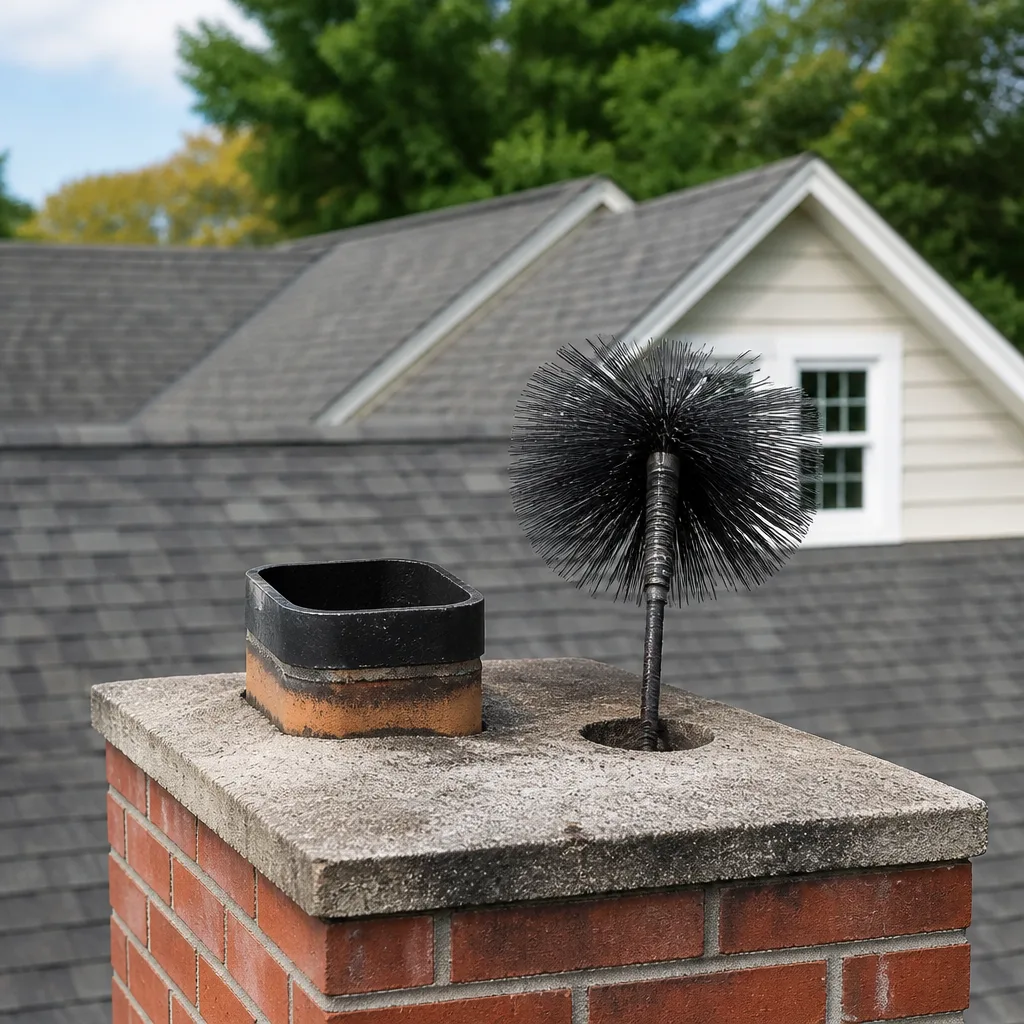 Sweep & inspection
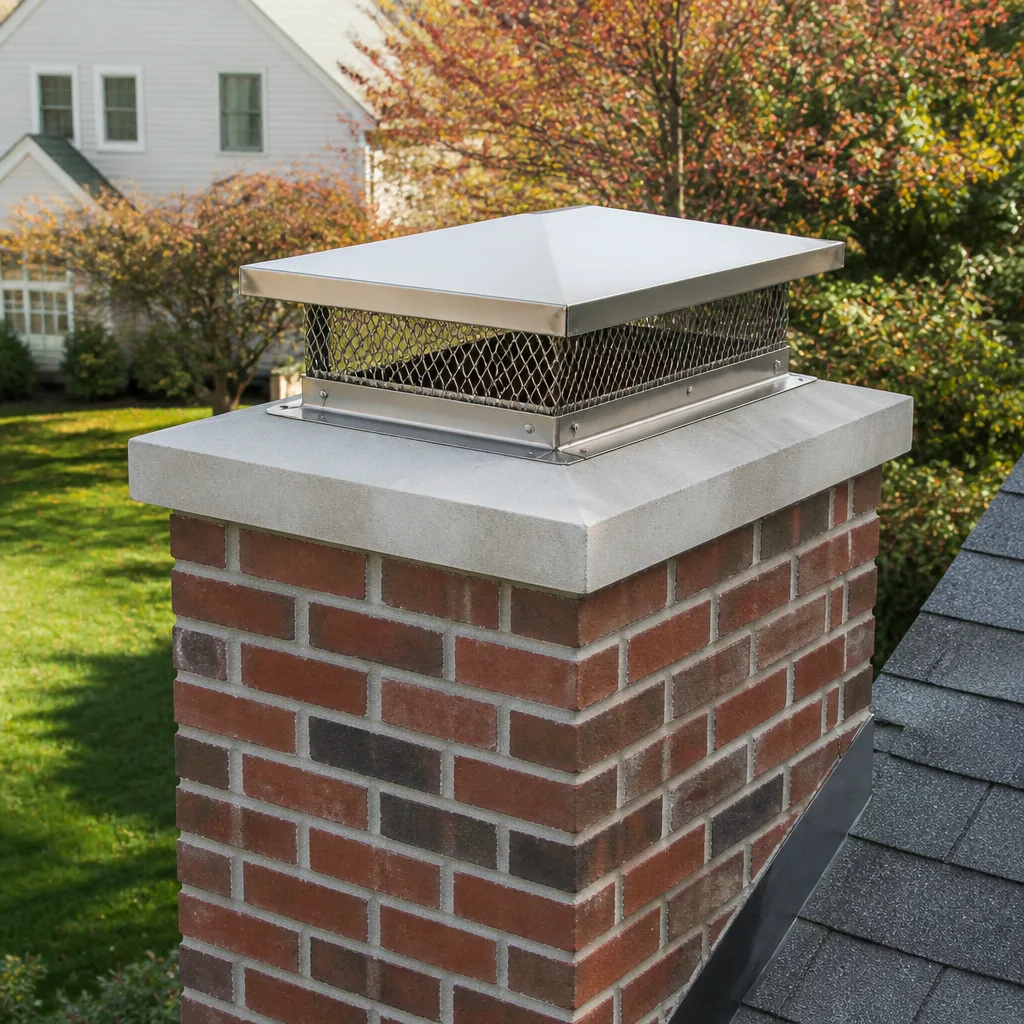 Caps & crowns
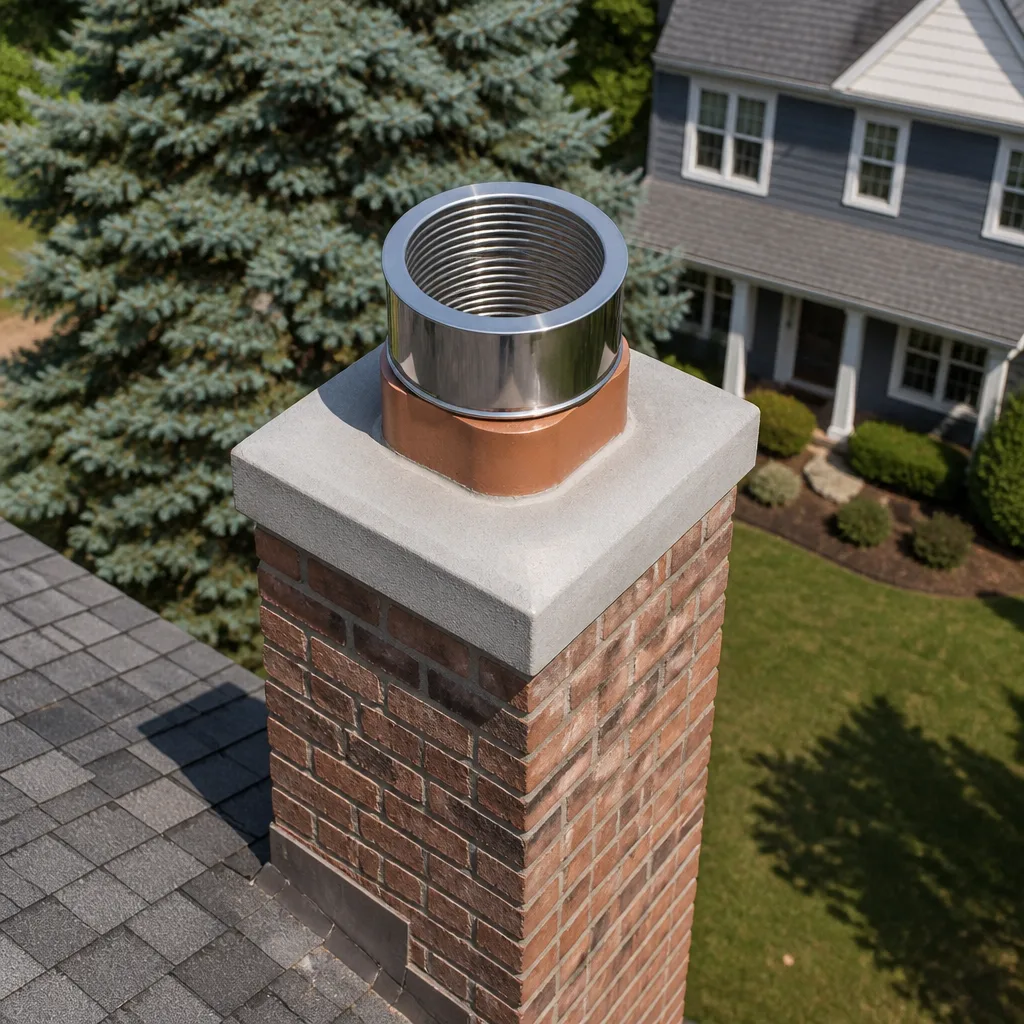 Flue relining
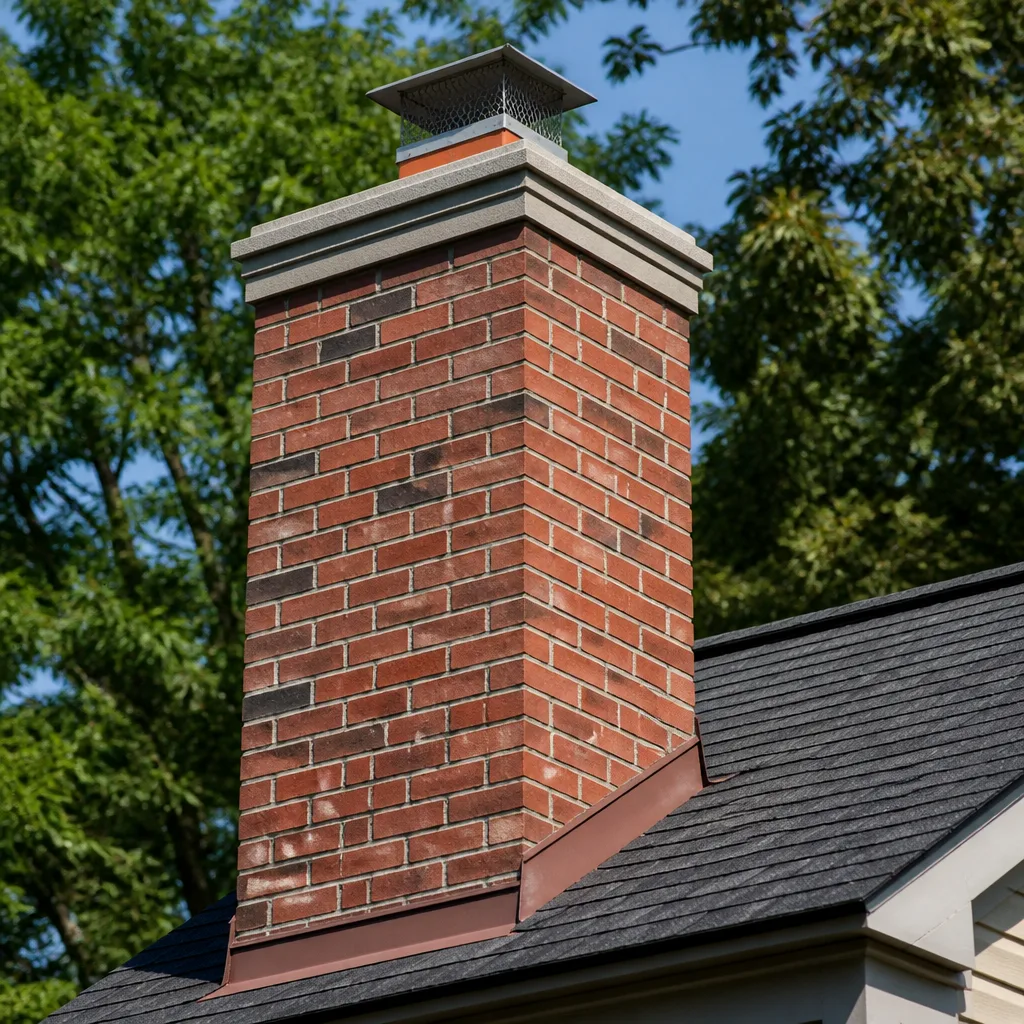 Masonry repair
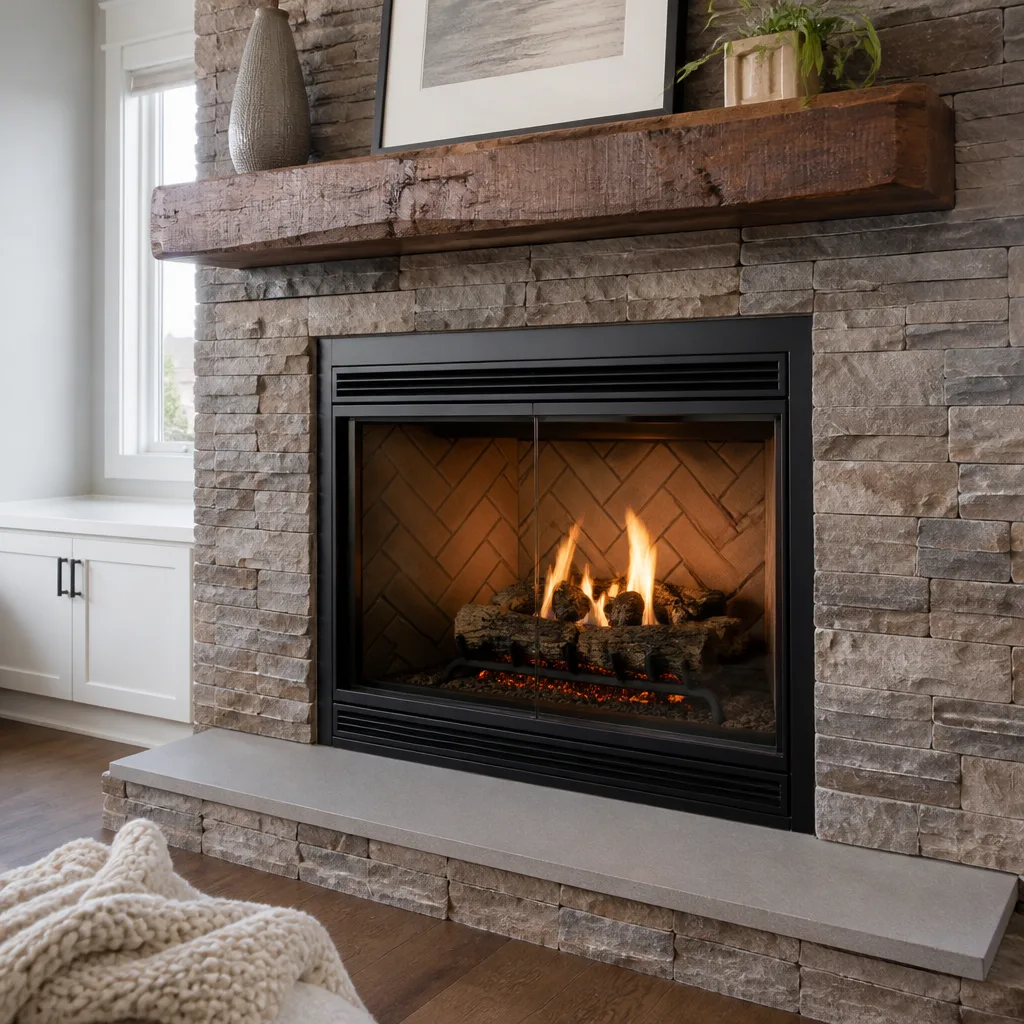 Gas fireplace service
Level 1 sweep and inspection to the NFPA 211 annual standard - flue, crown, cap, and flashing checked and photographed
Chimney sweep logs do not sweep chimneys. They loosen some creosote - which then falls where a brush and vacuum still have to collect it.
DIY vs Professional Chimney Cleaning: The Coral Springs Homeowner’s Decision Guide
You can rent a chimney brush at most hardware stores and push it through the flue until the visible creosote is gone. Here’s the part that surprises people: when you finish, the chimney looks clean and you still have no idea whether the liner behind that soot is cracked, whether the crown is pulling away from the stack, or whether the draft is pulling the way it should. Cleaning is a learnable brush routine. Reading what a chimney is telling you is a different skill. This guide draws the line at information rather than effort, and it’s written for Coral Springs homeowners who’d rather know exactly what they’re getting into before they decide.
Quick Answer
A DIY chimney cleaning removes soot and loosenable creosote from the flue, but it doesn’t assess the liner, crown, cap, damper, or draft. A professional cleaning combines the sweep with a camera inspection and a written report, which is the part that determines whether your fireplace is safe to light. In Coral Springs, the mild winters and high humidity make that inspection matter more than the brush work itself.
Styles & brands we work with
- Sweep & inspection
- Caps & crowns
- Flue relining
- Masonry repair
- Gas fireplace service
Table of Contents
- What a DIY Cleaning Actually Accomplishes
- What DIY Cleaning Physically Misses
- South Florida Conditions That Change the Calculation
- Realistic Equipment Cost and Disposal Reality
- When DIY Maintenance Between Visits Genuinely Helps
- What a Professional Inspection Report Provides
- How a Professional Sweep Actually Works
- Making the Decision for Your Home
What a DIY Cleaning Actually Accomplishes
A DIY cleaning gets a flue from “coated with soot” to “mostly clear of soot.” That’s genuinely useful. Soot and the softer forms of creosote reduce the interior diameter of the flue, which affects how well smoke rises. Removing them restores airflow and reduces the amount of combustible material sitting inside your chimney. If you heat with wood regularly, a homeowner who brushes out the flue between professional visits is doing something real, not wasting time.
Here’s what a proper brush pass involves:
- Setting drop cloths across the hearth and floor so soot doesn’t migrate into the room.
- Removing the damper or working around it, depending on the firebox design.
- Running a brush matched to your flue’s shape and size from the top down or the firebox up.
- Repeating passes until the brush comes back with less residue.
- Vacuuming the firebox and the smoke shelf with a HEPA-rated vacuum.
None of that is beyond a careful homeowner with the right tools. The problem is what the process doesn’t ask you to do: look. When you’re the person holding the brush, your attention is on the brush. You’re not standing back with a light and a mirror asking whether the joint you just passed is still sealed. That gap is the whole debate, and it’s why so many Coral Springs homeowners who clean their own chimneys still call us for a look once a year.
What DIY Cleaning Physically Misses
A successful DIY clean gives you a clean flue and no information. The structural assessment is what a professional sweep is really delivering, and it happens alongside the cleaning, not instead of it. Here’s the gap:
- Liner condition. Clay tile liners crack, spall, and separate at the joints. A stainless liner can develop corrosion at the seams. None of that is visible from the firebox with a flashlight, and none of it shows up in a brush pass.
- Crown and cap. The concrete crown at the top of the chimney and the cap over the flue both weather over time. Cracks in the crown let water into the masonry. A damaged cap lets rain, animals, and debris into the flue.
- Draft behavior. A chimney that smokes back into the room isn’t necessarily dirty. It may be undersized, too short, or affected by pressure differences in the house. Diagnosing that requires measuring, not brushing.
- Creosote stage. Soot and first-stage creosote brush away easily. Glazed, third-stage creosote bonds to the liner wall and needs different treatment. You can’t tell which you have until you’re up there with a light and a scraper.
- Hidden obstructions. Nests, leaves, and fallen masonry can sit above the smoke shelf where the brush passes but doesn’t fully clear them. A camera shows what the brush can’t.
We work with DuraFlex liner systems and HeatShield resurfacing precisely because so many of the problems we find are liner problems, and the liner is the component a DIY clean can’t see. If a liner is sound, we say so. If it isn’t, the fix is often a resurfacing job rather than a full replacement, and we’ll explain why.
South Florida Conditions That Change the Calculation
Coral Springs doesn’t have the freeze-and-thaw winters that drive chimney decay in northern states. What it has instead is humidity, extended rainy seasons, and a long stretch of the year when the fireplace sits unused. Those conditions create their own problems, and they need inspection tools, not just a brush, to catch.
Humidity and biological growth. Warm, damp air sitting in an unused flue is a good environment for mold, mildew, and organic growth on the liner walls and smoke chamber. A brush removes the surface layer, but it doesn’t tell you whether the growth has penetrated masonry pores or whether the moisture source is still active.
Rain intrusion through caps and crowns. A cap that’s missing, bent, or loosely fitted lets rainwater straight into the flue. Over a summer, that water works into the masonry and the crown, and the damage compounds quietly. A visual check from the ground tells you the cap exists; it doesn’t tell you whether it’s still doing its job. This is where correctly fitted caps from Gelco and Famco matter, because a generic aftermarket cap that doesn’t match the flue dimensions is a slow water leak waiting to happen.
Long idle periods. A fireplace that runs from December to February and sits closed the rest of the year accumulates debris, insect activity, and animal nesting. We inspect plenty of Coral Springs chimneys with an active nest above the smoke shelf. You won’t find that with a brush; you’ll find it with a camera.
Storm and impact debris. Hail is uncommon here, but wind-driven debris from summer storms can crack crowns, loosen caps, and drop material into flues. An inspection after a significant storm is worth doing, and it’s not something a homeowner can perform from the hearth.
Realistic Equipment Cost and Disposal Reality
The equipment side of DIY chimney cleaning is more involved than most people expect. Here’s a realistic list for a homeowner who wants to do the job properly, not just adequately:
- A brush sized to your flue, plus a rod set long enough to reach the top of your chimney
- Drop cloths and plastic sheeting rated for soot and dust
- A HEPA-rated vacuum (a shop vac will redistribute fine soot through the room)
- A hand mirror, a bright work light, and a respirator
- Gloves, eye protection, and disposable coveralls
- A ladder tall enough to reach the roof safely, plus roof-safe footwear
Then there’s the waste. Soot and creosote aren’t household trash. They need to be bagged, sealed, and disposed of according to local rules, and many municipalities treat chimney residue as a material that shouldn’t go straight into the regular bin. A professional sweep arrives with containment systems and hauls everything away, which is a real part of what you’re paying for.
For a Coral Springs homeowner using their fireplace a handful of times a season, the equipment outlay only makes sense if the work is happening regularly. If you’re cleaning once a year, the math rarely favors buying the gear. If you’re cleaning monthly, it might, and you’d still be missing the inspection.
When DIY Maintenance Between Visits Genuinely Helps
We’re not going to tell you to leave the chimney alone until we show up. There are real maintenance tasks that a careful homeowner should handle, and doing them keeps the chimney in better shape between professional visits.
- Firebox sweeping. Clearing ash and debris from the firebox floor after it cools prevents buildup from reaching the smoke shelf. Use a metal scoop and a metal container.
- Visual cap checks from the ground. Stand back and look at the top of the chimney. Is the cap intact? Is it sitting flush? Is there visible debris on top of it? A pair of binoculars makes this quick.
- Damper lubrication. A damper that sticks is a small problem that becomes a bigger one. A light, appropriate lubricant on the pivot points keeps it moving.
- Ash removal. Keeping the ash pan from overflowing reduces dust and keeps airflow through the grate.
- Seasonal check of the firebox interior. Look for loose mortar joints or visible cracks in the firebrick. If you see them, that’s a call, not a DIY fix.
Notice what’s not on that list: anything involving the flue, the liner, or the crown. Those belong to professional work, and the reason isn’t that the tasks are too hard. It’s that the tasks come with a diagnosis attached, and the diagnosis is the whole point.
What a Professional Inspection Report Provides
A professional inspection produces a document. That’s the piece DIY cleaning simply can’t produce, and it matters more than most homeowners realize until they need it. Here’s what a written inspection report typically includes:
- Photos and video capture of the flue interior, liner condition, and smoke chamber
- A recorded baseline of the chimney’s condition at the time of inspection
- Documented findings for real-estate transactions, insurance paperwork, or annual safety compliance
- Recommendations with a written estimate for any work that’s actually needed
- A record of what was checked, so the next inspection has something to compare against
This is where a Coral Springs homeowner with a high-value or older home gets real value. If you sell the house, the buyer’s inspector is going to ask about the chimney. If you file an insurance claim after a chimney-related event, the insurer is going to ask for documentation. If you’re renewing a homeowner’s policy that requires an inspection, the carrier is going to ask for the report. A DIY clean gives you a clean flue and nothing to hand anyone.
We offer formal chimney repair capability and standalone inspection because the two are connected. The inspection finds the problem. The repair fixes it with documented materials. When we recommend resurfacing with HeatShield, it’s because the inspection showed liner damage that resurfacing can address without a full replacement, and the report documents that decision for whoever needs to see it later.
How a Professional Sweep Actually Works
A professional sweep for a Coral Springs home follows a sequence, and understanding the sequence is the fastest way to see what you’d be missing by going DIY.
- Setup and containment. Drop cloths and a HEPA vacuum are positioned before any work starts.
- Inspection first, cleaning second. We look at the firebox, damper, smoke shelf, and flue before the brush goes in. The brush doesn’t move until we know what we’re looking at.
- Camera inspection. A camera run through the flue shows liner condition, joint integrity, and any obstruction above the smoke shelf. This is the part of the visit a DIY clean can’t replace.
- Cleaning. Brushes matched to the flue shape and size, worked in passes until the flue is clear.
- Creosote assessment. Any glazed or third-stage creosote is identified and addressed separately, because a standard brush pass doesn’t remove it.
- Crown and cap check. The top of the chimney gets the same attention as the flue, including the cap fit and crown condition.
- Written report and photo review. You get the findings, the images, and a clear recommendation about what needs doing now, what can wait, and what’s fine as it is.
That sequence is where a chimney sweep earns the visit. The brush work is the visible part of a job that’s mostly about looking carefully and reporting honestly. We schedule sweeps as booked work, and we’ll tell you plainly when a chimney can safely wait another year.
Safety note on the roof and the flue. The top of a chimney is height work. Ladder placement, roof pitch, and weather all matter more than most homeowners expect, and falls are a real risk. We’d rather you not be on the roof. The same applies to the inside of the flue: if you see glazed creosote, a cracked liner, or loose masonry, stop and call a trained professional. Those are not homeowner problems.
Making the Decision for Your Home
The DIY-versus-professional call comes down to frequency, tool investment, and whether you actually need the inspection. Here’s a practical way to think it through for a Coral Springs home:
- Choose DIY if: Your fireplace sees only occasional use, your chimney was professionally inspected within the last year, and you want to stay on top of soot between visits. Understand that you’re not getting an inspection from the work.
- Choose professional if: This is your first year in the home and you don’t know the chimney’s history, your home is older or high-value, you’re buying or selling, you’ve noticed smoking or draft problems, you see glazed creosote, or you’ve never had the chimney inspected at all.
- Choose professional for anything structural. A crown crack, liner damage, or cap that’s failing needs a trained eye and a proper repair, not a fresh coat of soot on top of it.
We’re not going to tell you to never touch your own chimney. We’ve seen plenty of well-maintained flues where the homeowner does the between-visit work carefully. What we push back on is the idea that a DIY clean replaces an inspection. It doesn’t. It replaces the brushing. Those are different jobs. Carrington Chimney Sweep exists for the parts a homeowner can’t see.
Common Mistakes to Avoid
- Cleaning without inspecting first. Running a brush before you know what you’re looking at means you might be scraping a liner that’s already damaged. Inspect first, clean second.
- Assuming a clean flue is a safe flue. A flue can look clean from the firebox and still have a cracked liner or a loose crown at the top. The clean appearance proves nothing about condition.
- Using a shop vac instead of a HEPA vacuum. A shop vac pushes fine soot back into the room. That soot ends up in your HVAC system, your upholstery, and your lungs.
- Ignoring glazed creosote. Third-stage creosote bonds to the liner and doesn’t come off with a standard brush. Trying to force it with a hard tool can damage the liner instead of cleaning it.
- Skipping the cap check. A missing or damaged cap is a direct path for rain and animals into the flue. Coral Springs summers put a lot of water through that opening, and the damage compounds silently.
- Disposing of soot in the regular trash. Soot and creosote need proper containment and disposal, and dumping them in a household bin is both messy and often outside local rules.
- Going up on a wet or pitched roof without a reason. Roof falls are the most common serious injury in this trade within the homeowner side. If the job needs a ladder and a roof walk, that’s a professional call.
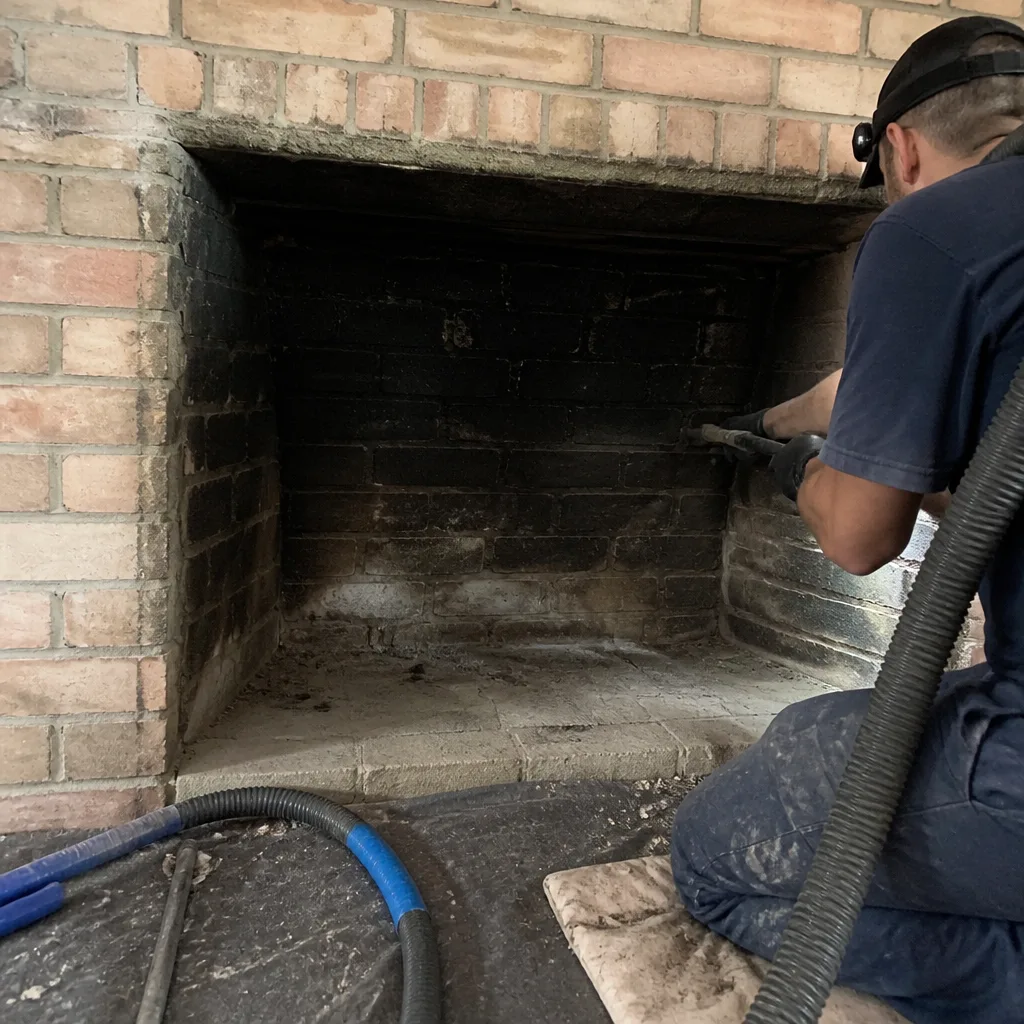
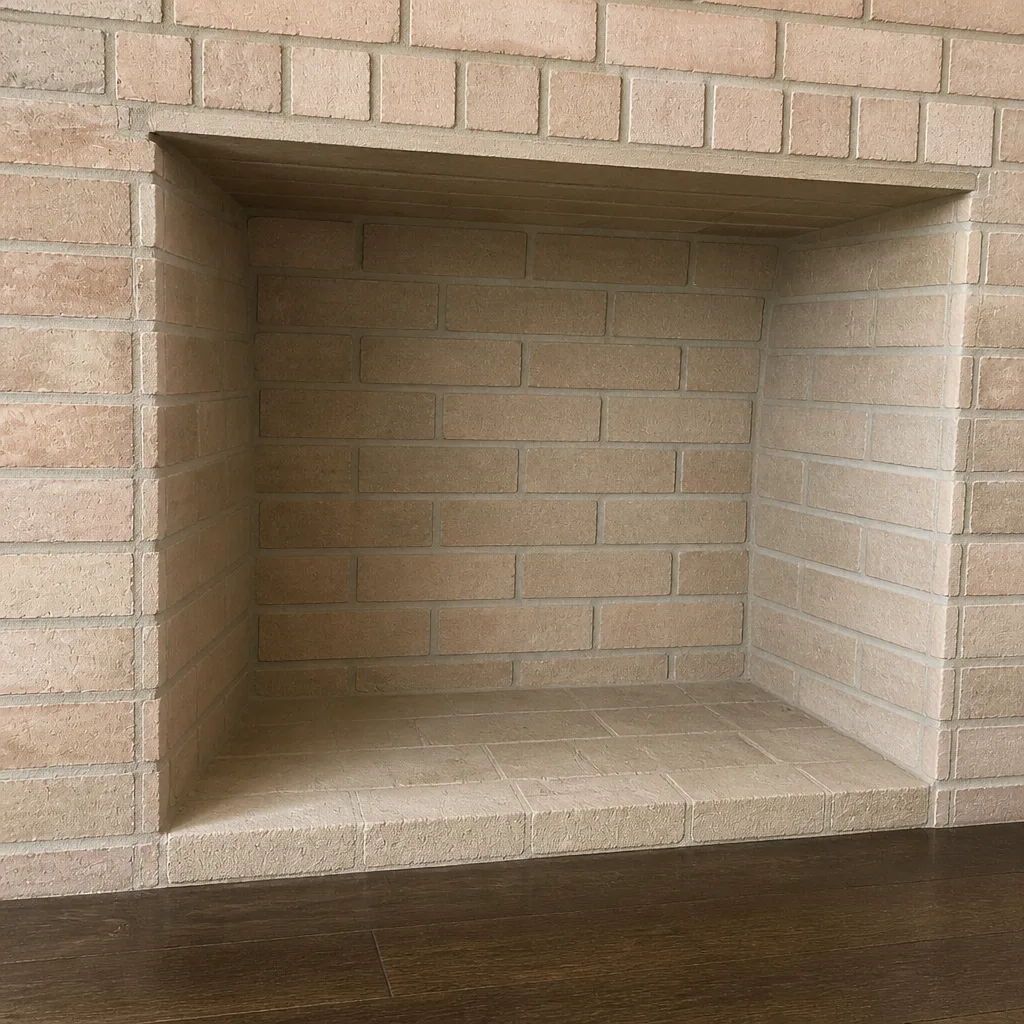
See the difference
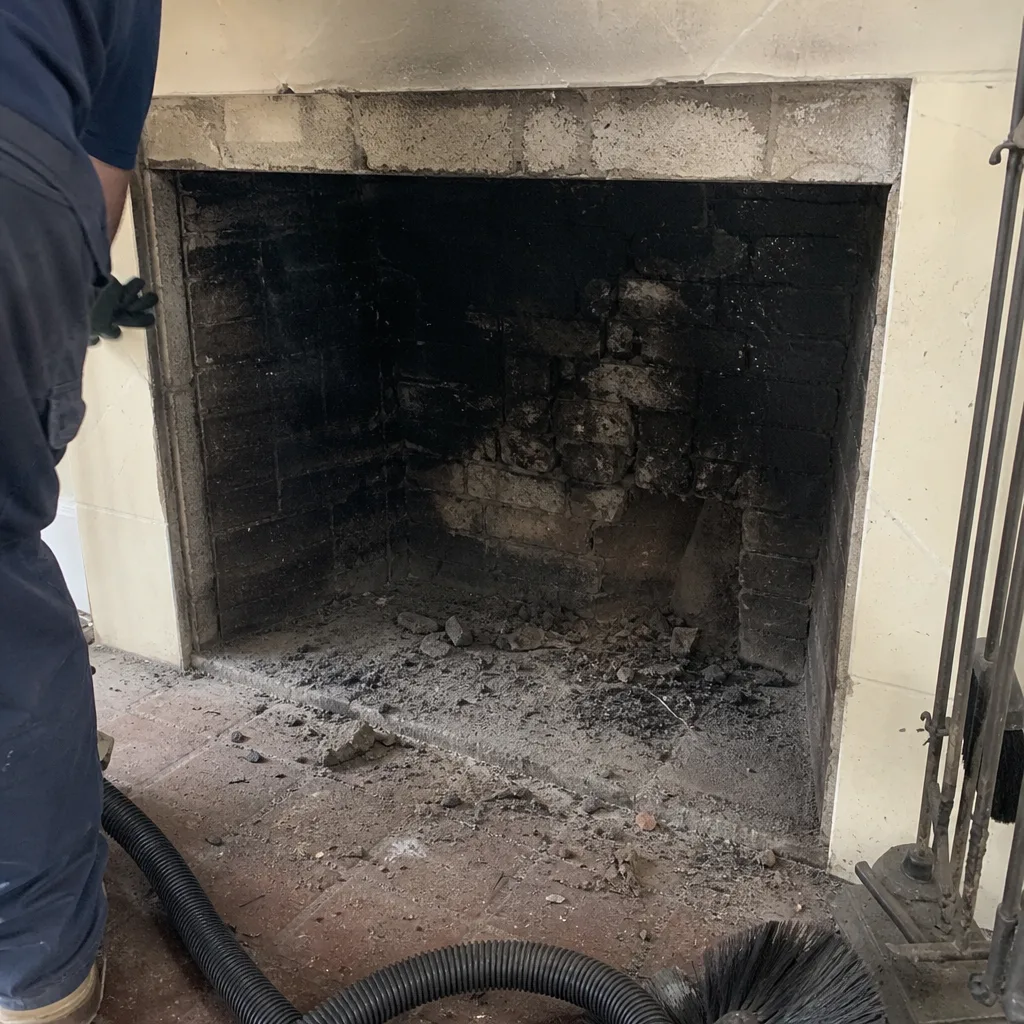 Before
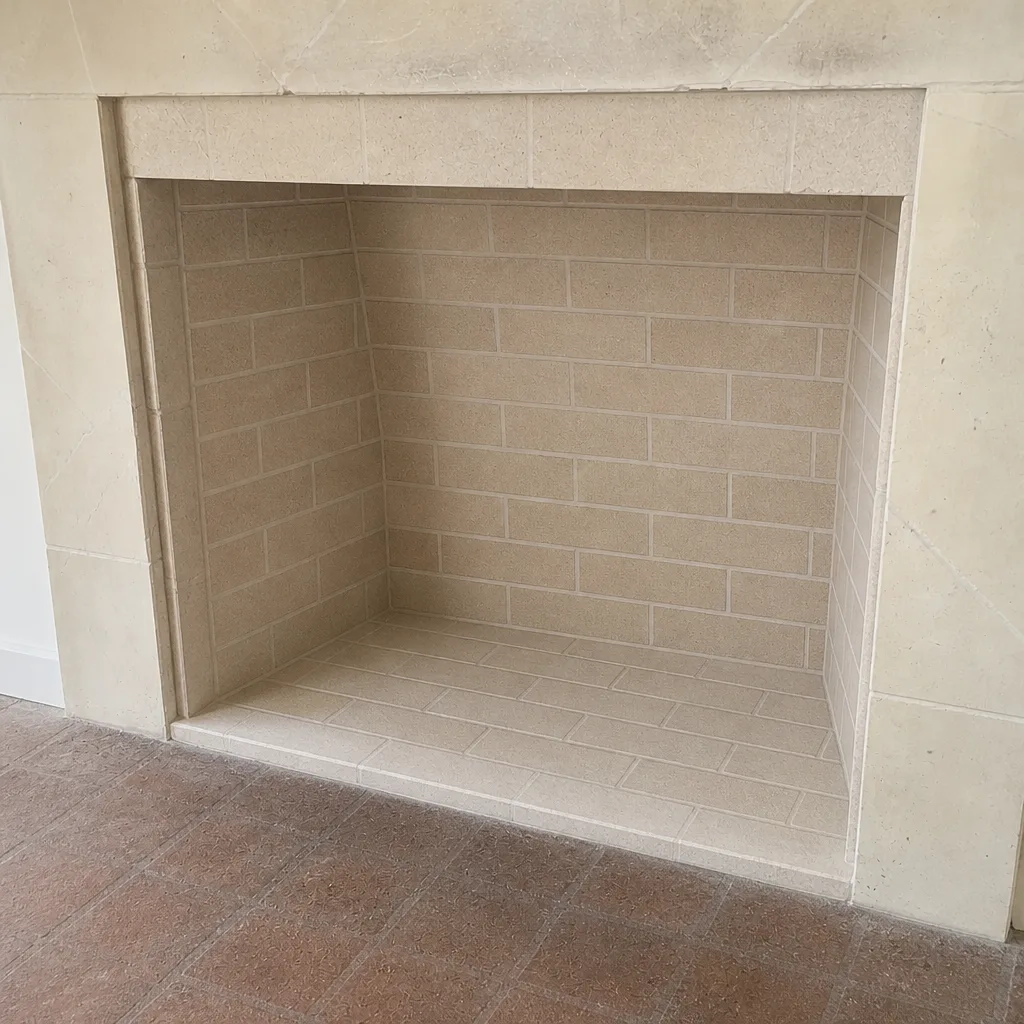 After
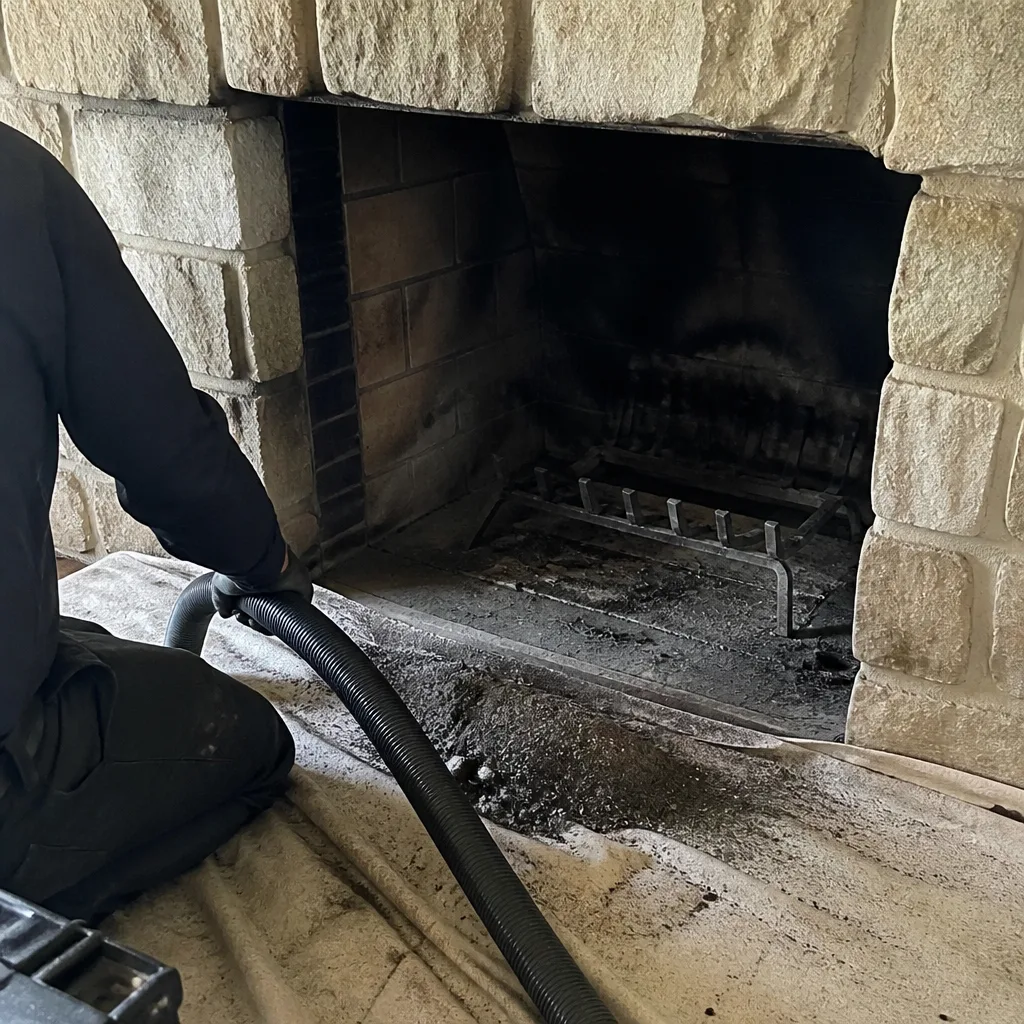 Before
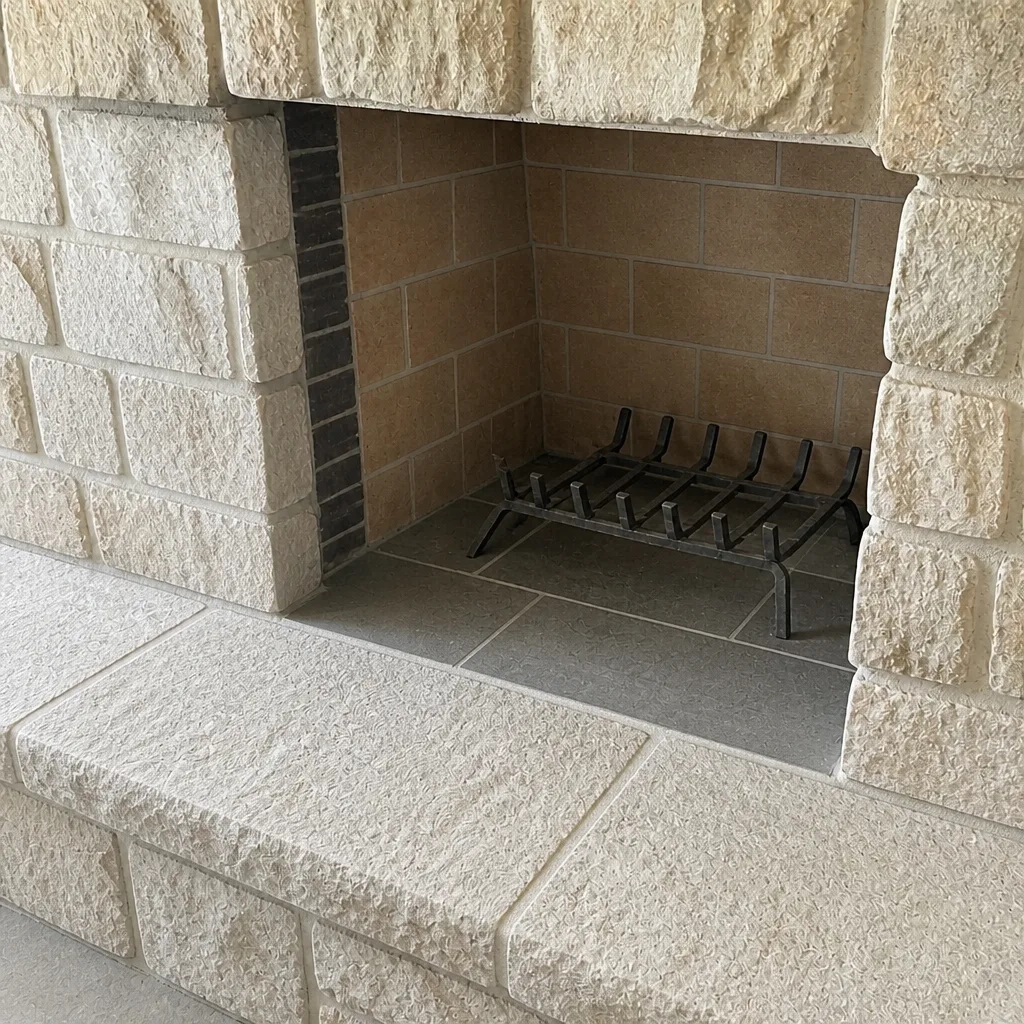 After
 Before
 After
When to Call a Professional
Call a professional if you’ve never had the chimney inspected, if you’ve noticed smoke backing into the room, if you can see damage to the cap or crown from the ground, if you spot glazed creosote or loose masonry, or if you’re buying or selling a home in Coral Springs and need documented condition. Also call if the chimney hasn’t been swept in a few seasons and you don’t know its history. Carrington Chimney Sweep offers free estimates in Coral Springs – call (844) 834-5492. We answer 24/7, with fast dispatch from 7am to 7pm, Sunday through Friday. We’ll tell you what the chimney actually needs, and we’ll tell you when it can safely wait.
Frequently Asked Questions
It’s worth doing between professional visits if your fireplace sees light use and your chimney was inspected recently. It is not a replacement for a professional inspection, because the brush pass doesn’t assess the liner, crown, or draft. Call (844) 834-5492 for a free estimate if you’re not sure where your chimney stands.
A professional sweep combines the cleaning with a camera inspection and a written report. That’s the part a homeowner can’t reproduce: seeing inside the flue, assessing the liner and crown, and documenting the findings. The brushing is learnable. The diagnosis isn’t, without the tools and the training.
Most chimneys should be swept once a year when in regular use, and more often if you burn frequently or notice buildup. A chimney that sees only occasional fires may run longer between sweeps, but it should still be inspected annually. In Coral Springs, the annual inspection catches the humidity and rain issues that build up during the idle season. Call (844) 834-5492 to book a sweep.
No, a standard shop vac pushes fine soot back into the air. Use a HEPA-rated vacuum if you’re cleaning between professional visits, and keep the firebox door closed while you work. A shop vac will redistribute soot through the room and into your HVAC system.
Soot and creosote accumulate, draft worsens, and the risk of a chimney fire increases as combustible material builds up inside the flue. You also lose the chance to catch structural problems early, when they’re cheaper to fix. A skipped season doesn’t mean a fire, but it does mean the chimney is carrying more risk than it needs to.
An inspection report is worth having even without a transaction. It gives you a documented baseline for insurance paperwork, annual safety compliance, and comparison at the next inspection. Many homeowners find the report nudges them to address a small crown or cap issue before it becomes a larger repair. Call (844) 834-5492 for a free estimate.
The Bottom Line
The DIY chimney cleaning debate isn’t about whether you’re capable of pushing a brush. It’s about whether you can see what the brush is passing over. Soot removal is a learnable routine. Liner condition, crown integrity, cap fit, and draft behavior are what determine whether your fireplace is safe to light, and those require inspection tools and a trained eye. In Coral Springs, the humidity and idle-season conditions make that inspection the more important half of the job. Between-visit maintenance is genuinely useful and worth doing. The annual inspection and the sweep are worth calling a professional for. Carrington Chimney Sweep works with professional-grade product lines including DuraFlex, HeatShield, Gelco, Olympia Chimney, Famco, and Copperfield, and we handle sweep, repair, and inspection as one system. Call (844) 834-5492 for a free estimate. We answer 24/7. Fast dispatch from 7am to 7pm, Sunday through Friday. If you’re new to the area, start with our Coral Springs service page to see how we work here.
Written by the team at Carrington Chimney Sweep.