
Last updated November 15, 2026
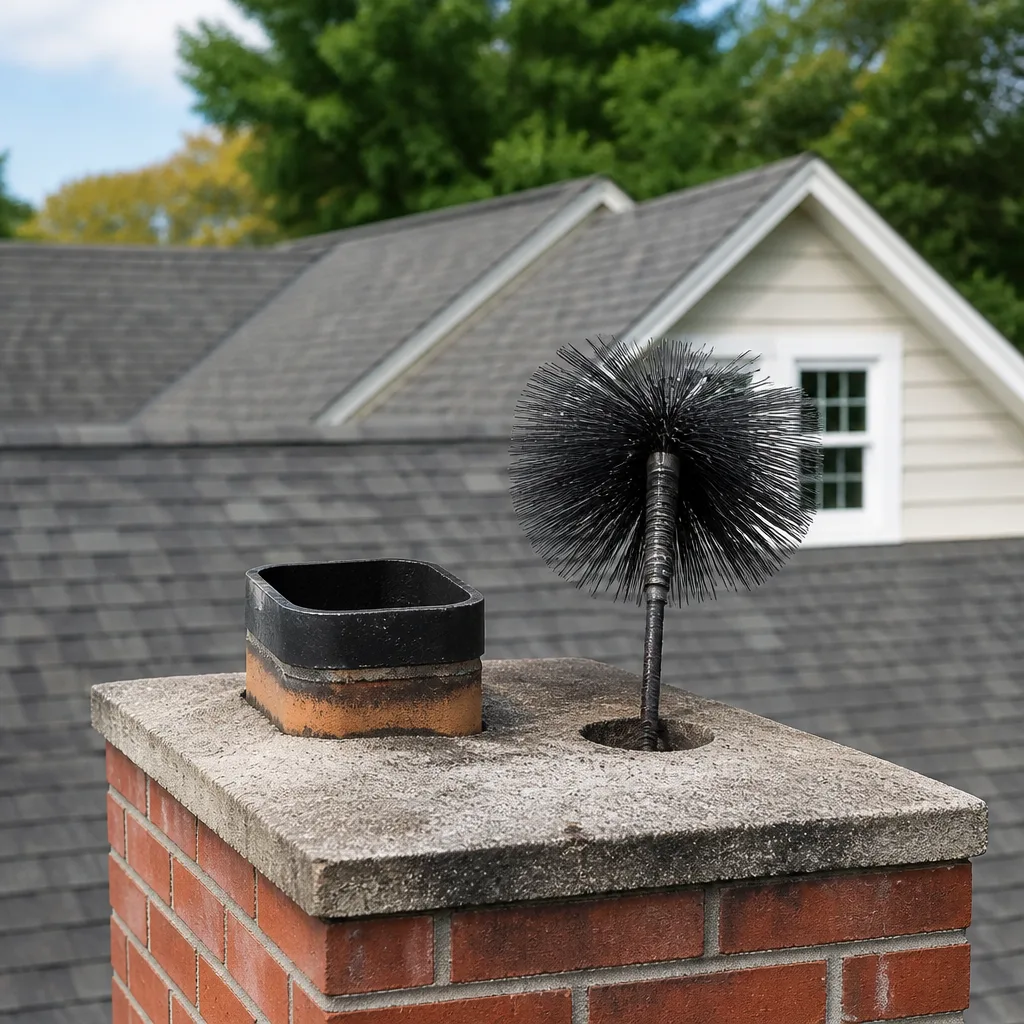 Sweep & inspection
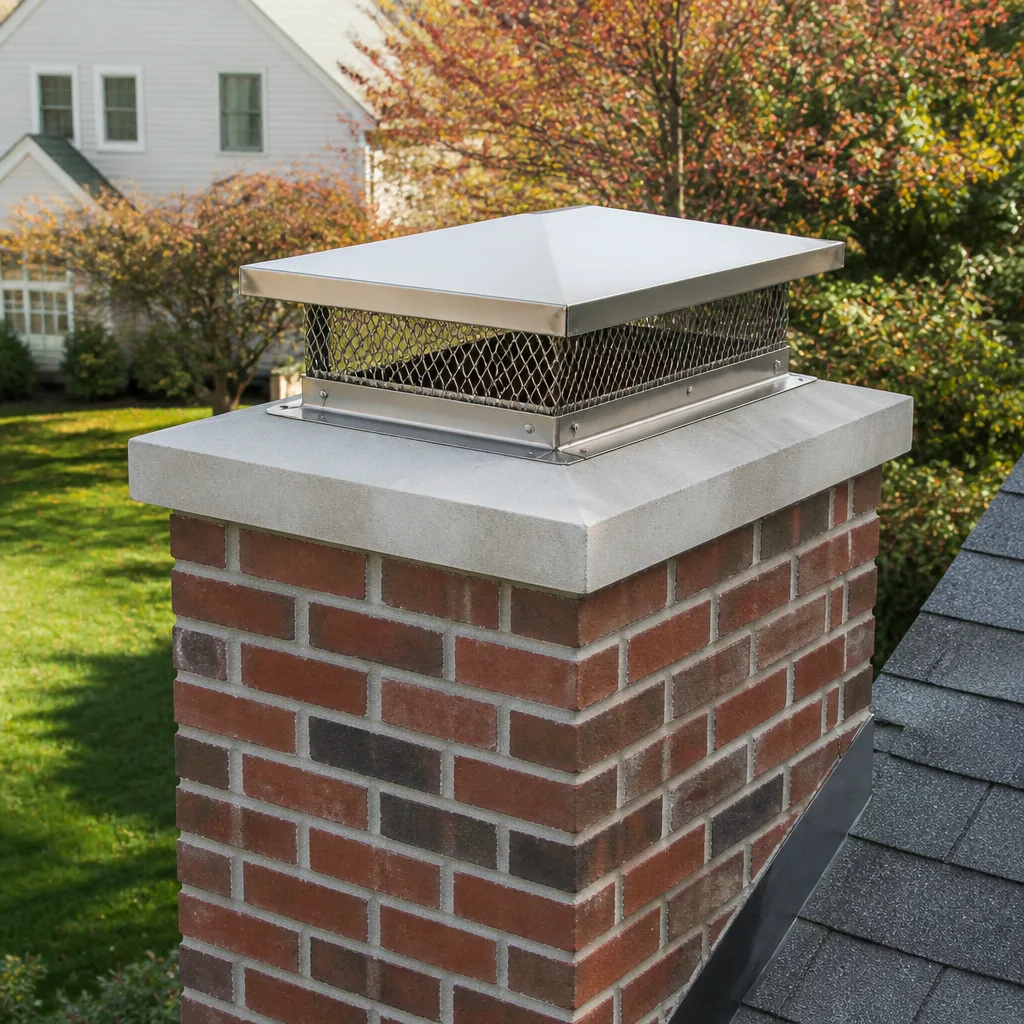 Caps & crowns
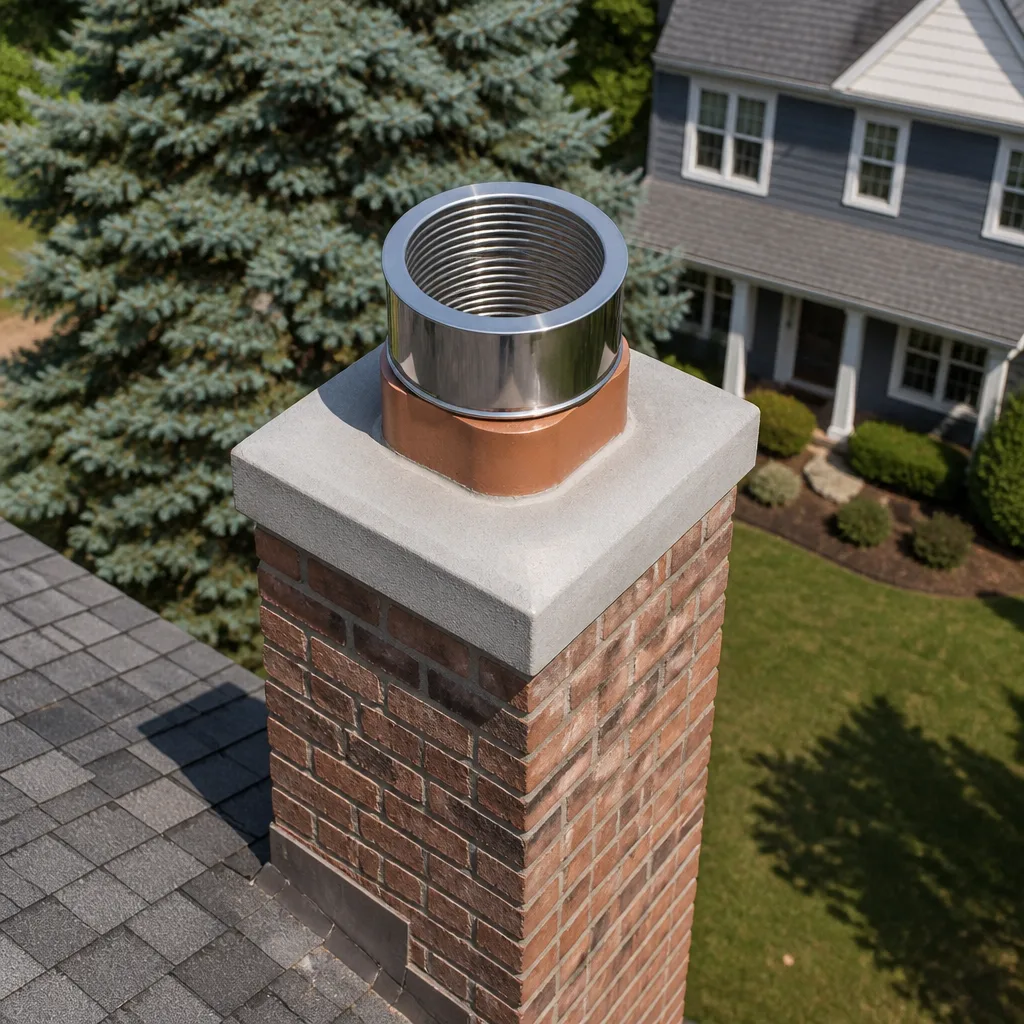 Flue relining
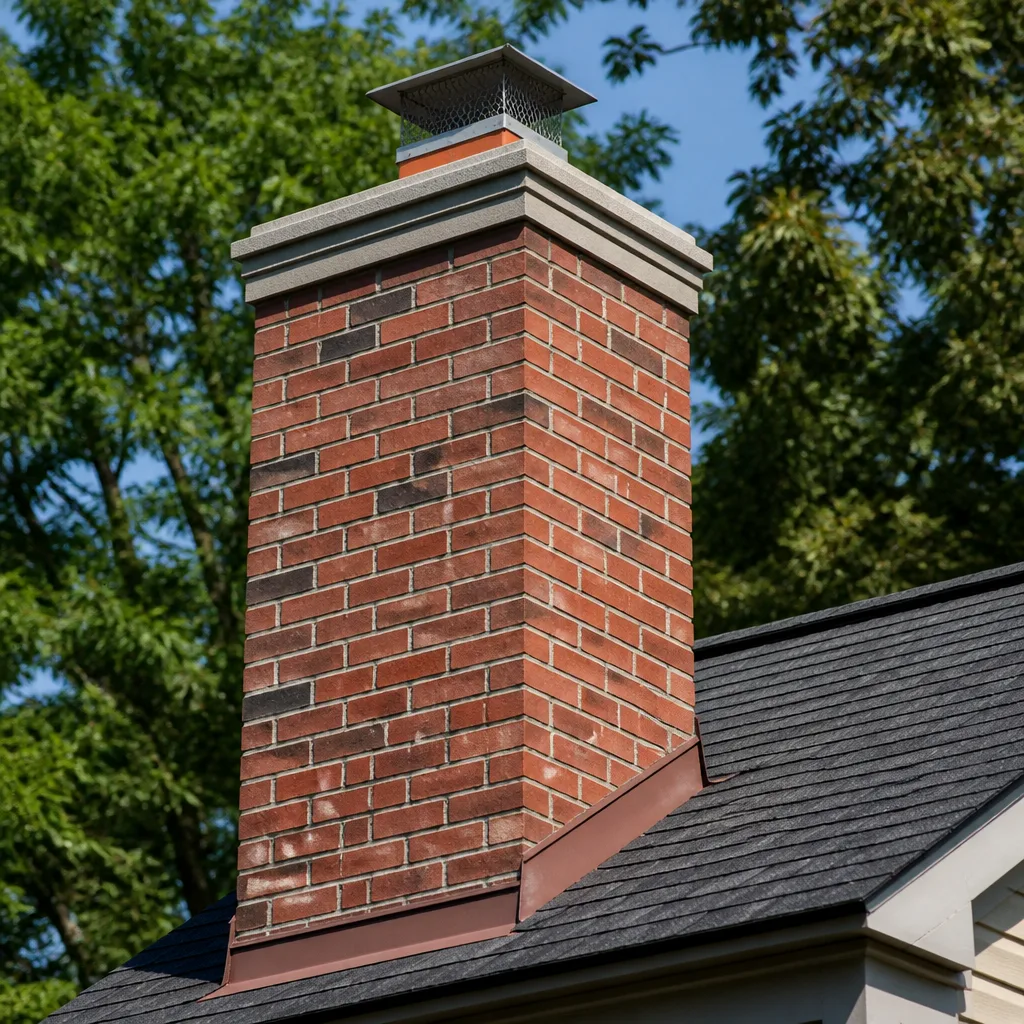 Masonry repair
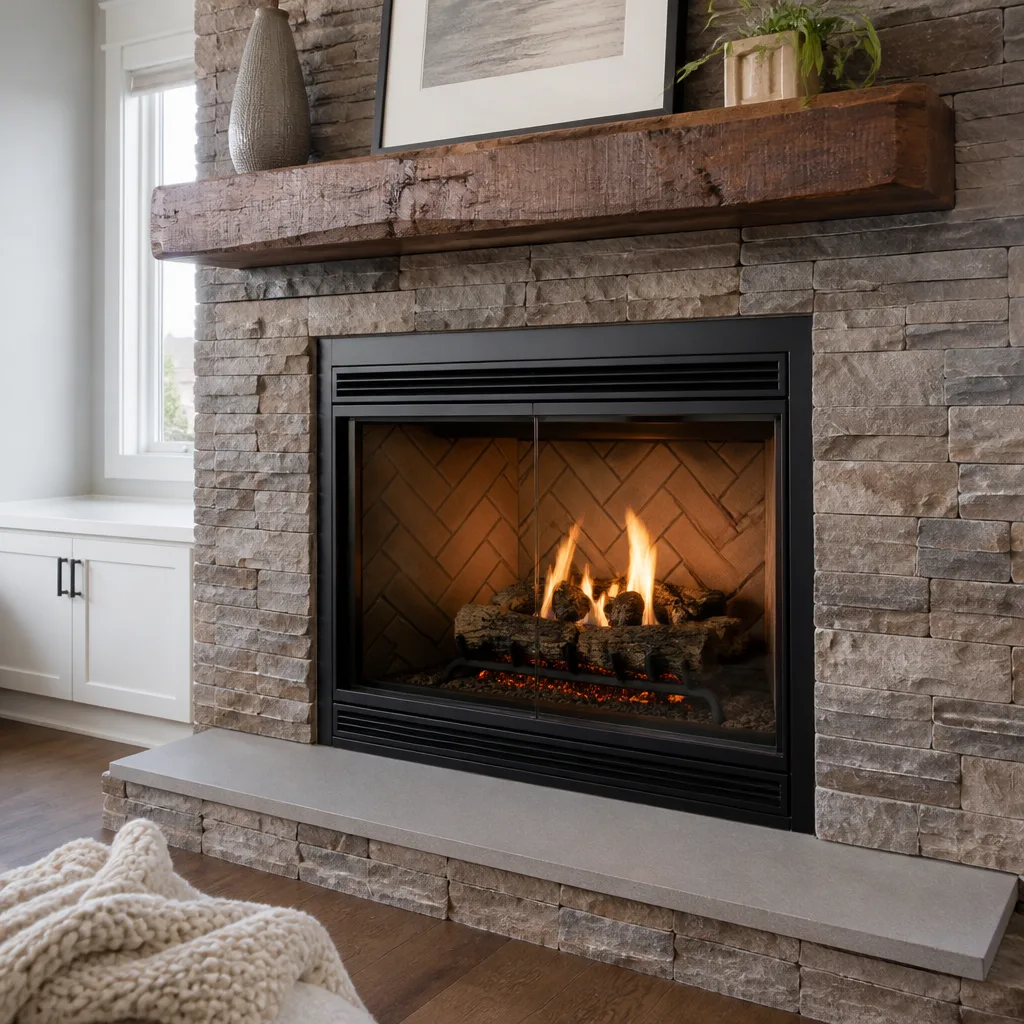 Gas fireplace service
Level 1 sweep and inspection to the NFPA 211 annual standard - flue, crown, cap, and flashing checked and photographed
Chimney sweep logs do not sweep chimneys. They loosen some creosote - which then falls where a brush and vacuum still have to collect it.
Chimney Cleaning Permits, Codes & Inspections in Coral Springs, FL: What You Need to Know
Here’s the part most homeowners get backwards: the cleaning itself rarely needs a permit, but almost everything a cleaning uncovers does. A sweep is maintenance, and maintenance is largely unregulated. A new liner, a rebuilt firebox, a replaced cap on a multi-appliance system: those are construction, and construction runs through the Coral Springs building department. The confusion matters because unpermitted chimney work lives in your property record forever, and it has a habit of surfacing during a sale or an insurance claim. In this Coral Springs guide, we’ll draw the permit line where Broward County actually draws it, explain how NFPA 211 gets referenced locally, and show you when an inspection is required by code rather than just suggested.
Quick Answer
In Coral Springs, routine chimney cleaning does not require a permit, but structural work such as liner replacement, firebox rebuilding, and chimney cap installation on a chimney flue generally does require a building permit through the City of Coral Springs. Inspections are required by code before a property sale, after a chimney fire, or after a significant weather event. All of it is measured against NFPA 211, the national chimney standard Florida adopts as its reference point.
Styles & brands we work with
- Sweep & inspection
- Caps & crowns
- Flue relining
- Masonry repair
- Gas fireplace service
Table of Contents
- Where Does the Permit Line Fall for Chimney Work in Coral Springs?
- What Is NFPA 211 and How Does Florida Adopt It Locally?
- When Is a Level 2 Inspection Code-Required?
- How Does Unpermitted Chimney Work Affect Your Insurance?
- What’s the Correct Permit Pathway for Liners, Fireboxes, and Caps?
- What Does Coral Springs Weather Do to Chimney Systems?
- How Does Chimney Compliance Work in a Real Estate Transaction?
- How Should You Keep Chimney Records in Coral Springs?
Where Does the Permit Line Fall for Chimney Work in Coral Springs?
The dividing line isn’t cost or how big the job feels. It’s whether the work changes the structure or the venting system. Cleaning removes soot and creosote from a flue that stays exactly as built. Repair and replacement modify a component that the building code treats as part of the structure and the venting path. That distinction is what a permit reviewer is looking at.
We’ve seen the line get blurred in conversation. A crew calls a liner install “part of the cleaning” because the two happen on the same visit. But in the eyes of the City of Coral Springs building department, a liner is a new component in a regulated venting system, and the install needs to be on record.
Here’s how the split looks in practice:
- No permit typically needed: routine sweeping, Level 1 visual inspection, cap cleaning, minor hardware tightening.
- Permit typically required: liner replacement or relining, firebox rebuild, damper replacement, chimney chase repair, cap and crown installation that alters the termination.
- Ask before you assume: anything that touches the flue’s interior dimensions or the chimney’s exterior envelope.
Coral Springs has neighborhoods with a wide range of chimney construction. Homes in areas like Wyndham Lakes and Eagle Trace are mostly newer masonry or prefab systems, while older sections of Coral Springs near Sample Road include pre-manufactured chimneys with original surrounds. The age of the system directly affects whether a repair can be done in place or requires a full replacement pathway, and that determines the permit scope.
What Is NFPA 211 and How Does Florida Adopt It Locally?
NFPA 211 is the national Standard for Chimneys, Fireplaces, Vents, and Solid Fuel-Burning Appliances. It sets the construction, inspection, and maintenance rules. Florida doesn’t write its own equivalent standard; the Florida Building Code references NFPA 211, and Broward County and Coral Springs building officials apply it when they review chimney permits. When an inspector or plan reviewer asks whether your chimney “meets code,” NFPA 211 is what they mean.
The practical result is that a Coral Springs permit application for chimney work will often cite specific NFPA 211 provisions: clearance to combustibles, liner sizing relative to the appliance’s flue collar, and the fireblocking requirements inside the chase. If a contractor is installing a DuraFlex liner or resurfacing with HeatShield, the permit submission has to demonstrate that the finished system meets those provisions, not just that it’s “better than what was there.”
What NFPA 211 does not do is create a city-specific permit rule. Local jurisdiction sets the permit requirement; the standard sets the technical bar. In our experience working in Coral Springs, that pairing is where most homeowner confusion starts. People ask “does Coral Springs require a permit for a chimney liner?” when the real question is “does the City of Coral Springs building department review this type of work, and will it be checked against NFPA 211?” The answer to both is usually yes.
When Is a Level 2 Inspection Code-Required?
Chimney inspections come in three levels. Level 1 is a visual check of readily accessible portions, standard during a routine cleaning. Level 2 adds a video scan of the interior of the flue and inspection of accessible attic and crawl spaces. Level 3 goes further and may require opening up concealed areas. Level 2 is the one that gets triggered by code and by transaction requirements.
NFPA 211 spells out when a Level 2 inspection is required. In Coral Springs, the common triggers are:
- Sale or transfer of the property. A Level 2 is expected so the new owner has a documented condition record, and most title and insurance reviewers will ask for it.
- After a chimney fire. Any suspected chimney fire requires a Level 2 before the chimney is used again.
- After a significant weather event. South Florida storm events, including named systems, can shift a chase, open a joint, or dislodge a cap.
- After an operational change. Switching fuels, replacing the appliance, or changing the flue connection.
- When a Level 1 reveals a problem. If the accessible inspection shows damage, code escalates to a Level 2 to see what’s hidden.
Broward County’s thunderstorm season delivers regular heavy rain and lightning around Coral Springs, and those events are the reason we get a lot of post-storm Level 2 requests. A masonry chase on a home in the Wyndham Lakes area can develop a hairline crack after a close lightning strike, and you’ll only see it with a camera run down the flue.
How Does Unpermitted Chimney Work Affect Your Insurance?
Unpermitted chimney work can complicate an insurance claim in three ways: it can trigger a denial if the loss traces back to the non-compliant install, it can reduce the payout because the carrier treats the work as pre-existing, and it can create a title cloud that surfaces at sale. The exact outcome depends on the carrier and policy, but the pattern repeats. Insurance companies price risk based on the property as documented, not the property as actually built.
Picture the common scenario. A liner is replaced during a routine sweep visit. The crew does clean work, but treats the install as maintenance and skips the permit. Two years later, a chimney fire causes damage to the chase and the surrounding framing. The insurance adjuster pulls the permit history from the Coral Springs building department. There is no record of the liner replacement. Now the carrier is looking at a venting system that was modified without inspection and asking whether the loss traces to that unpermitted work.
That is not a hypothetical fear. It’s a documented pattern in Broward County claims handling. The permit isn’t just a piece of paper; it’s the record that connects the work to a licensed inspection and a code standard. Without it, the homeowner is left trying to prove the install was compliant after the fact. We’ve had to help customers chase down paperwork exactly because an earlier contractor skipped the step.
We use specification-grade materials from brands professionals rely on: DuraFlex liner systems, HeatShield resurfacing, Gelco caps, Olympia Chimney and Famco components, and Copperfield specialty parts. That matter because when a permit is filed and inspected, the brand and documentation matter to the reviewer. A HeatShield application with its manufacturer documentation is a materially different submission from an anonymous generic repair.
What’s the Correct Permit Pathway for Liners, Fireboxes, and Caps?
The permit pathway is not identical for all three. Each has its own submission expectations. Here is how we walk through it in Coral Springs.
Liner Replacement or Relining
- Confirm the need with a Level 2 inspection. The video scan establishes the existing liner condition and the appliance’s flue requirements. No reputable permit starts without this.
- Select the liner. DuraFlex or HeatShield is specified, matched to the appliance type and the required flue area.
- Submit the permit application to the City of Coral Springs building department, with the NFPA 211 provisions addressed and the product documentation attached.
- Installation and inspection. Work is done to the submitted scope, and the city inspection closes out the record.
Firebox Rebuild
A firebox rebuild changes the structural surround of the fire, so it’s a permit scope in almost every case. The submission needs to show that the new firebox meets the required clearance to combustibles and structural integrity under NFPA 211. HeatShield is often part of a rebuild where the surrounding flue needs resurfacing to restore integrity without a full reliner replacement, and that capability is one of the reasons we specify it.
Chimney Cap Installation
A simple cleaning cap replacement is often cosmetic. A cap that alters the chimney’s termination, changes the flue’s draw characteristics, or is installed on a multi-appliance system is a different conversation. When a Gelco or Famco cap is installed as part of the system, the install should be reviewed under the same permit scope as the surrounding work. When it’s a like-for-like replacement, our team confirms with the building department before deciding whether a permit is required.
We diagnose first so the repair we recommend matches what the permit will require. That means no surprise scope changes after the application goes in. If you’re starting from a chimney sweep, we tell you before the visit ends whether the follow-up work is permit-scope.
What Does Coral Springs Weather Do to Chimney Systems?
Our climate is mild in winter, which changes how chimney systems age compared with colder parts of the country. The fireplaces in Coral Springs burn less often than a northern system would, so soot accumulation is slower and cleaning intervals can stretch under light use. But the same mild climate creates its own issues.
Warm, humid air sits against a cool chimney chase for much of the year. Masonry is porous and cycles between absorbing moisture and drying out. Over time, that cycle loosens mortar joints and can open cracks at the crown. South Florida’s intense summer sunlight also ages caps and crown sealant faster than northern climates typically show. A cap that looked fine at installation can develop cracks within a few seasons.
Storms are the other factor. Broward County gets regular heavy rain and thunderstorms, and any significant wind event can shift a chase or dislodge a cap. That is exactly the “significant weather event” that triggers a Level 2 inspection under NFPA 211. We hear from Coral Springs homeowners who see a hairline crack in the chase after a storm and assume it’s cosmetic. Often it’s exactly the reason code escalates to a Level 2.
The mild-winter combination means a Coral Springs system can look fine at the top and have damage lower down that only a video inspection will find. That’s the practical argument for a formal inspection every year, not just a sweep.
How Does Chimney Compliance Work in a Real Estate Transaction?
Real estate closings in Coral Springs are where unpermitted chimney work gets expensive. The buyer’s inspector, the title insurer, or the buyer’s carrier will often require a Level 2 inspection before closing, and the resulting report becomes part of the negotiation. A chimney with an unpermitted liner replacement is a specialist item that most real estate inspectors will flag.
Here is how the sequence typically runs when a chimney compliance issue is discovered:
- The Level 2 is ordered by the buyer, seller, or both, as part of the inspection contingency.
- The inspection report documents condition including liner integrity, firebox condition, cap condition, and any unpermitted work visible in the system.
- Either the permit is produced, or the parties negotiate a credit and the work is brought into compliance before closing.
- The permit is closed through the City of Coral Springs building department, usually with a follow-up inspection.
We get a lot of these calls from homeowners in Coral Springs neighborhoods like Heron Bay and the older sections near Royal Palm Boulevard. The listings span a wide range of construction formats, and some of the homes are older enough that prior permitted work was never digitized. That makes a formal inspection report with photos important. We can work with your insurer and your title company on the documentation they need. The report has to hold up to a third-party reading, so we document condition carefully and stay honest about what the evidence shows.
How Should You Keep Chimney Records in Coral Springs?
The paperwork is the part homeowners never think about, and it’s the part that matters most when something goes wrong. Treat your chimney like the roof. You want a file that a buyer, an adjuster, or a future contractor can read in five minutes.
The records we recommend keeping in Coral Springs:
- Inspection reports from each formal Level 1, 2, or 3, with photos.
- Sweep receipts with date and scope, plus notes on what was found.
- Permit numbers for any liner, firebox, or cap work, with the closing inspection sign-off.
- Material documentation for specified components: DuraFlex liner, HeatShield resurfacing, Gelco cap, Olympia Chimney supplies, Copperfield parts.
- Manufacturer instructions and warranty cards for anything installed.
That file saves you from re-inspecting when you refinance and gives a future buyer the record they’ll want. It’s also how a contractor can quickly establish whether the chimney needs a sweep, a repair, or nothing at all. Nothing is recommended without camera evidence you can see for yourself, and the file is where that evidence lives.
Common Mistakes to Avoid
- Treating a liner replacement as routine maintenance. It’s construction. It needs a permit through the City of Coral Springs building department, and skipping it leaves an insurance and title liability that surfaces later. This is the single most common error we see.
- Assuming “same-day” means “simple.” A sweep and a liner install are not in the same permit category even when they happen on the same visit. Separate them in your head before you accept an estimate.
- Ignoring the “significant weather event” trigger. After a named storm passes through Broward County, code calls for a Level 2 if a chimney may have been affected. Most homeowners do a visual check and move on. That isn’t the standard.
- Skipping a permit closing inspection. A permit is not closed when the work is done. If the city inspection isn’t signed off, the record stays open and the work becomes “unpermitted” when you sell.
- Using a generic handyman for liner work. A generalist may install something that physically fits but doesn’t meet NFPA 211 liner sizing or clearances. Specification-grade brands like DuraFlex and Olympia Chimney exist because the properties are matched to the appliance, not chosen for the cheapest fit.
- Filing the report and never looking at it again. Records matter. If you can’t produce a Level 2 report at a sale, the buyer orders one at your expense.
- Calling the city building department after the work is done. Permit review is a pre-construction step. Finding out the work was permit-scope after it’s installed means either a retroactive filing or a removal. Neither is free.
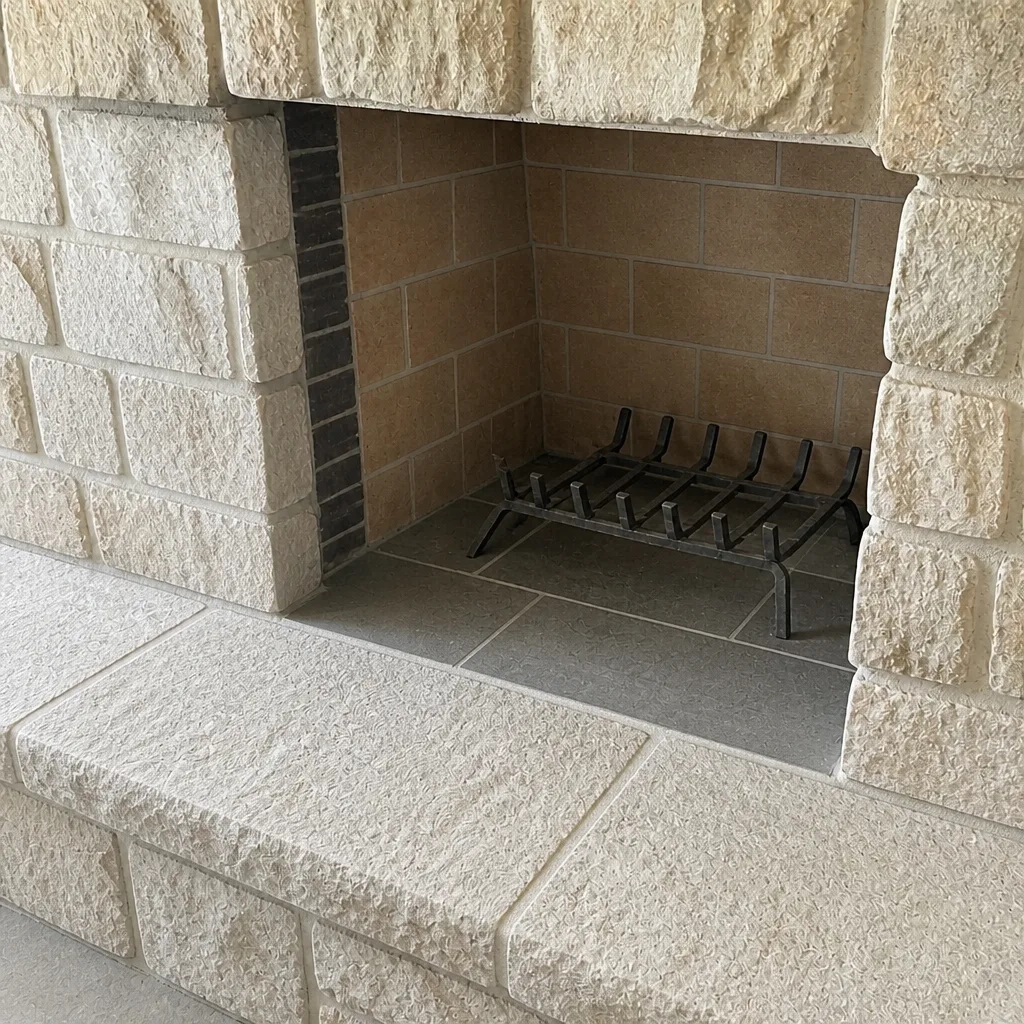
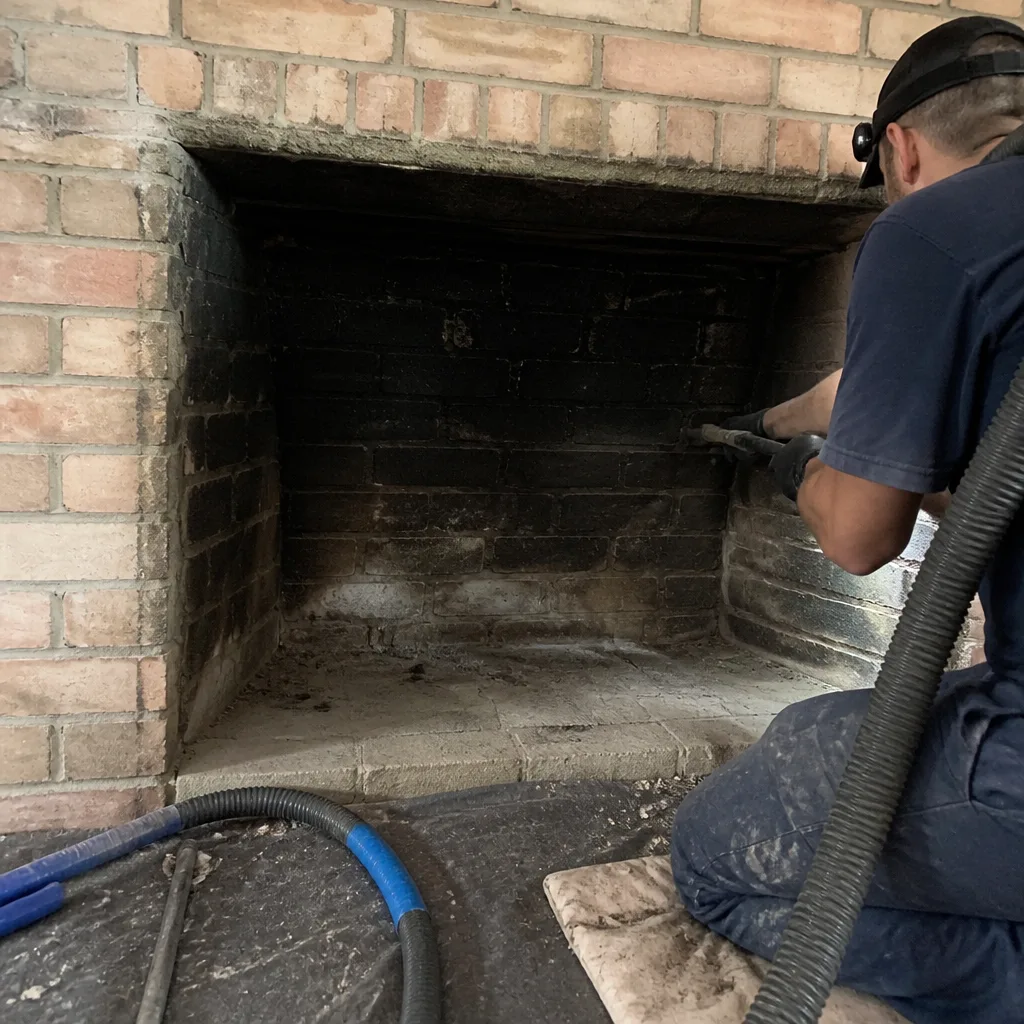
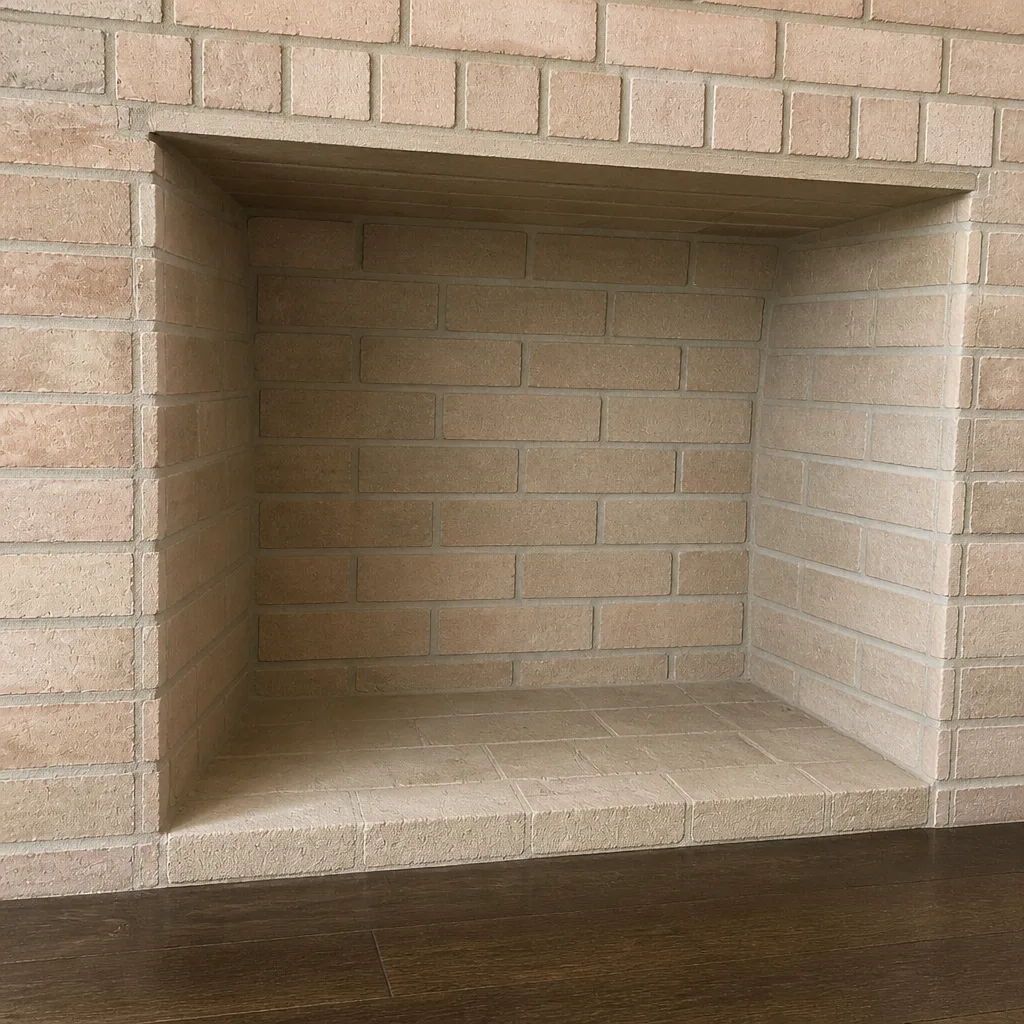
See the difference
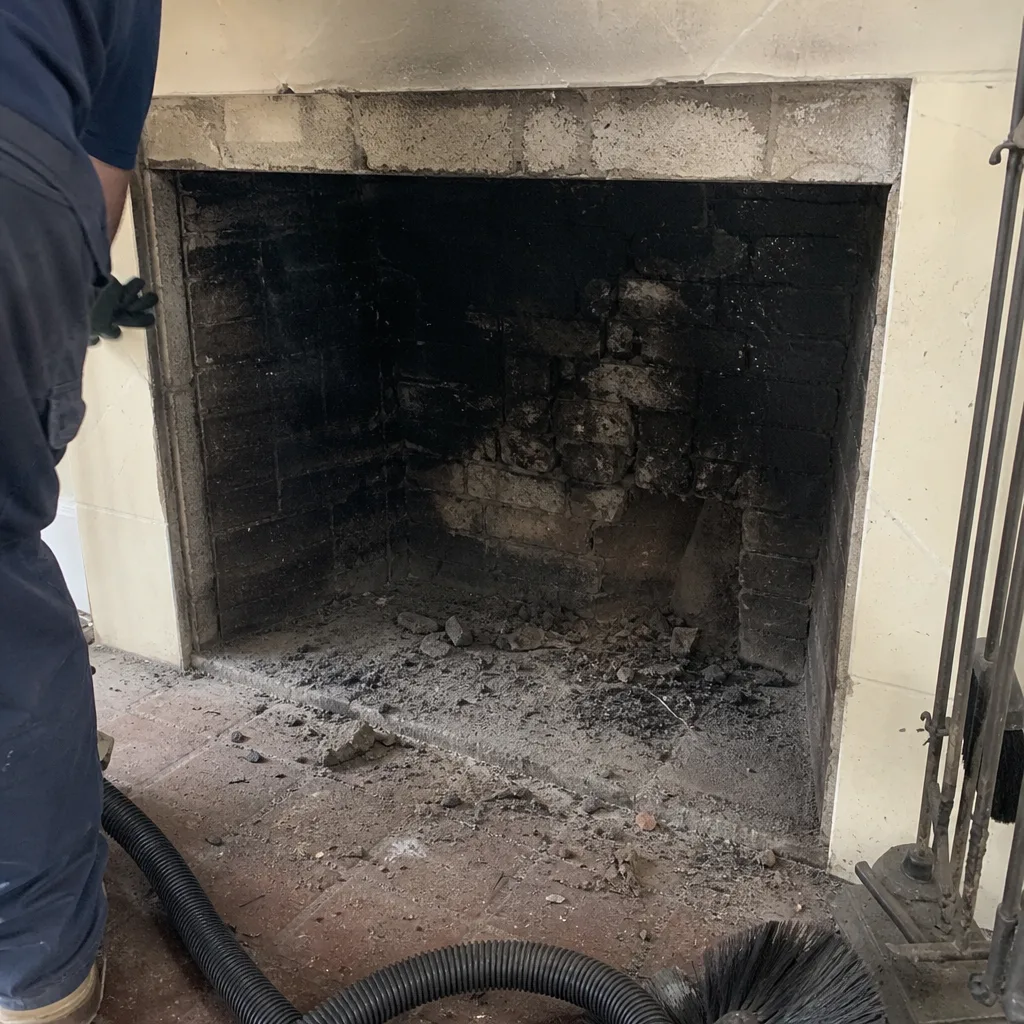 Before
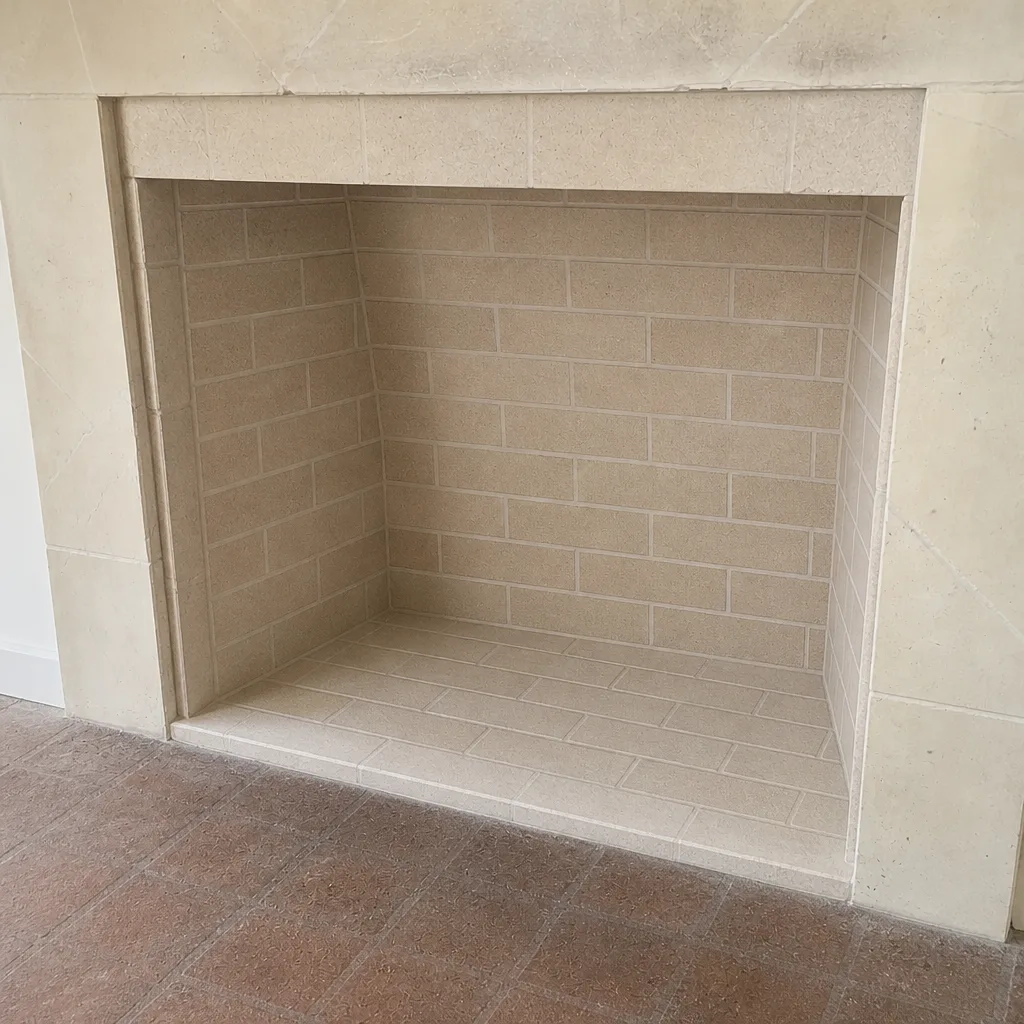 After
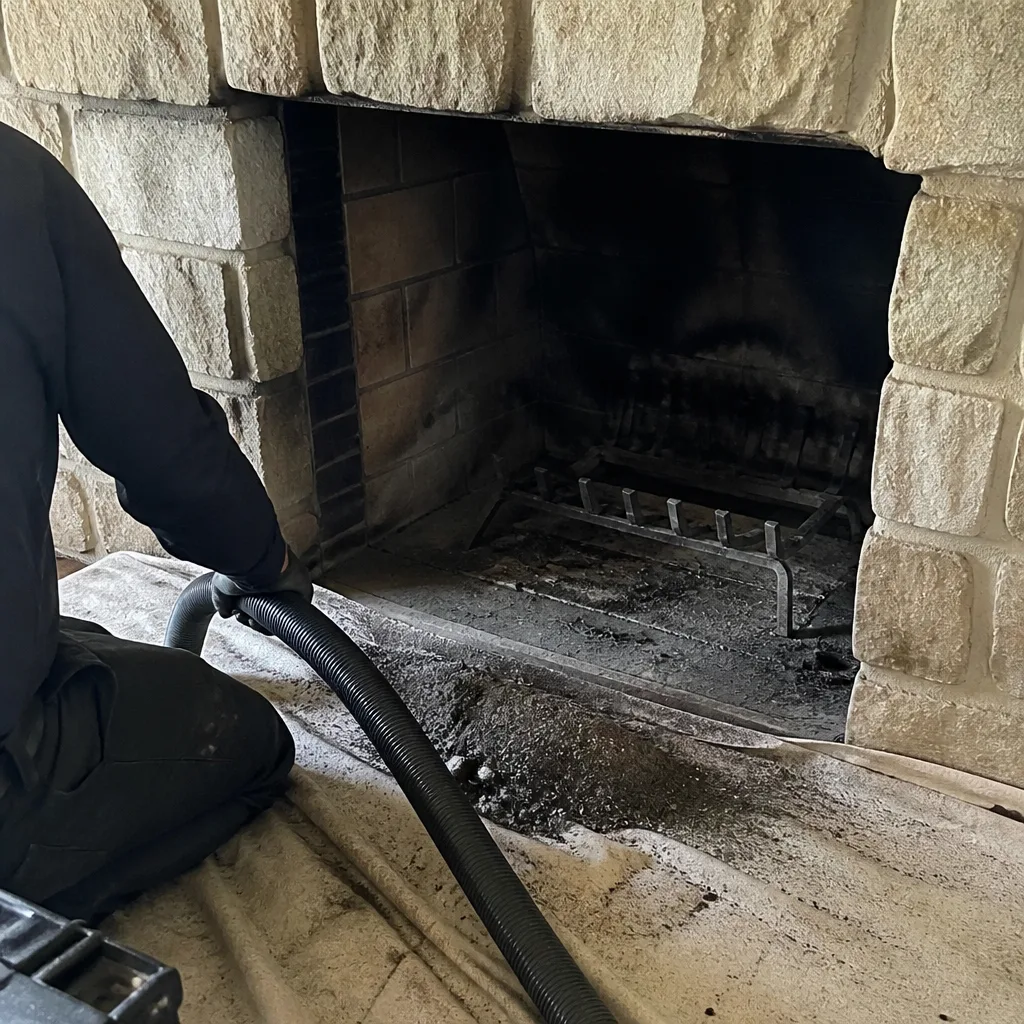 Before
 After
 Before
 After
When to Call a Professional
Some things you can check yourself: whether a cap is physically present, whether the firebox shows obvious cracks in the visible firebrick, whether smoke backs into the room when you open the damper. Almost everything else needs a trained set of eyes and a camera. Call a professional if you’re buying or selling a home with a fireplace in Coral Springs, if a chimney fire has occurred, if storm damage is visible or suspected, if your system hasn’t been inspected in over a year, or if any contractor has proposed a liner or firebox repair without filing a permit. The permit rule is a red flag if it’s skipped. Carrington Chimney Sweep offers free estimates in Coral Springs. Call (844) 834-5492. We answer 24/7. Fast dispatch from 7am to 7pm, Sunday through Friday.
Frequently Asked Questions
No. Routine chimney cleaning does not require a permit in Coral Springs because it’s maintenance, not construction. A permit is required once the work involves a new liner, a firebox rebuild, or a cap installation that alters the system. Call (844) 834-5492 for an exact scope assessment – estimates are free.
Yes, in almost every case. A liner replacement is construction work on the venting system and is reviewed by the City of Coral Springs building department against NFPA 211 provisions. If a contractor proposes to install a liner and skip the permit, treat that as a reason to slow down. Call (844) 834-5492 and we’ll walk through the correct pathway.
NFPA 211 requires a Level 2 inspection before a property sale, after a chimney fire, after a significant weather event, and after an operational change such as a new appliance or fuel switch. A Level 1 that reveals a problem also escalates to Level 2. If any of those apply to your Coral Springs home, call (844) 834-5492 to book the inspection.
It can, in three ways: it may trigger a denial if the loss traces to the non-compliant work, it may reduce the payout because the work is treated as pre-existing, and it can cloud the title. The exact outcome depends on your carrier and policy. The safest position is a permit on record. Call (844) 834-5492 and we can work with your insurer on the documentation they need.
You can, but the buyer or their carrier will usually require a Level 2 inspection, and the unpermitted work becomes a negotiation item. Most sellers end up either producing the permit or crediting the buyer for the cost of bringing the system into compliance. Getting ahead of it with an inspection report is often cheaper. Call (844) 834-5492 for a formal inspection report.
A sweep cleans the flue; an inspection documents the system’s condition. A Level 1 visual inspection is part of most sweep visits, while a Level 2 or 3 is a formal, standalone report with photos and video. Both are on the same professional Coral Springs service pathway. Call (844) 834-5492 to book either.
The Bottom Line
The rule that trips people up most is the one that sounds like it should be a formality. Cleaning doesn’t need a permit. The liner, firebox, and cap work that a cleaning uncovers usually does. NFPA 211 is the technical standard; the City of Coral Springs building department is the reviewing authority; the permit is the record that connects them. Level 2 inspections are code-required at sale, after a fire, and after a significant storm, and unpermitted work has a way of resurfacing at the worst moment. The fix is simple: know the scope before the work starts, and keep the paperwork. If you’re not sure where your chimney falls, that’s the reason to call.
Carrington Chimney Sweep handles sweep, repair, and inspection as one system in Coral Springs. We use the same professional product lines the trade specifies – DuraFlex, HeatShield, Gelco, Olympia Chimney, Famco, and Copperfield – because permit submissions and insurance files depend on matched, documented components. Our technicians have up to 10 years of experience. Nothing is recommended without camera evidence you can see for yourself, and work that can safely wait is work we’ll tell you to wait on. If you’re ready to schedule a formal inspection or a cleaning with a permit scope assessment, or you just want to understand where your system falls in Coral Springs, call (844) 834-5492 for a free estimate. We answer 24/7. Fast dispatch from 7am to 7pm, Sunday through Friday. You can also visit Carrington Chimney Sweep to see the full service line, or read more about chimney repair if your inspection already turned up a problem.
Written by the team at Carrington Chimney Sweep.