
Last updated November 15, 2026
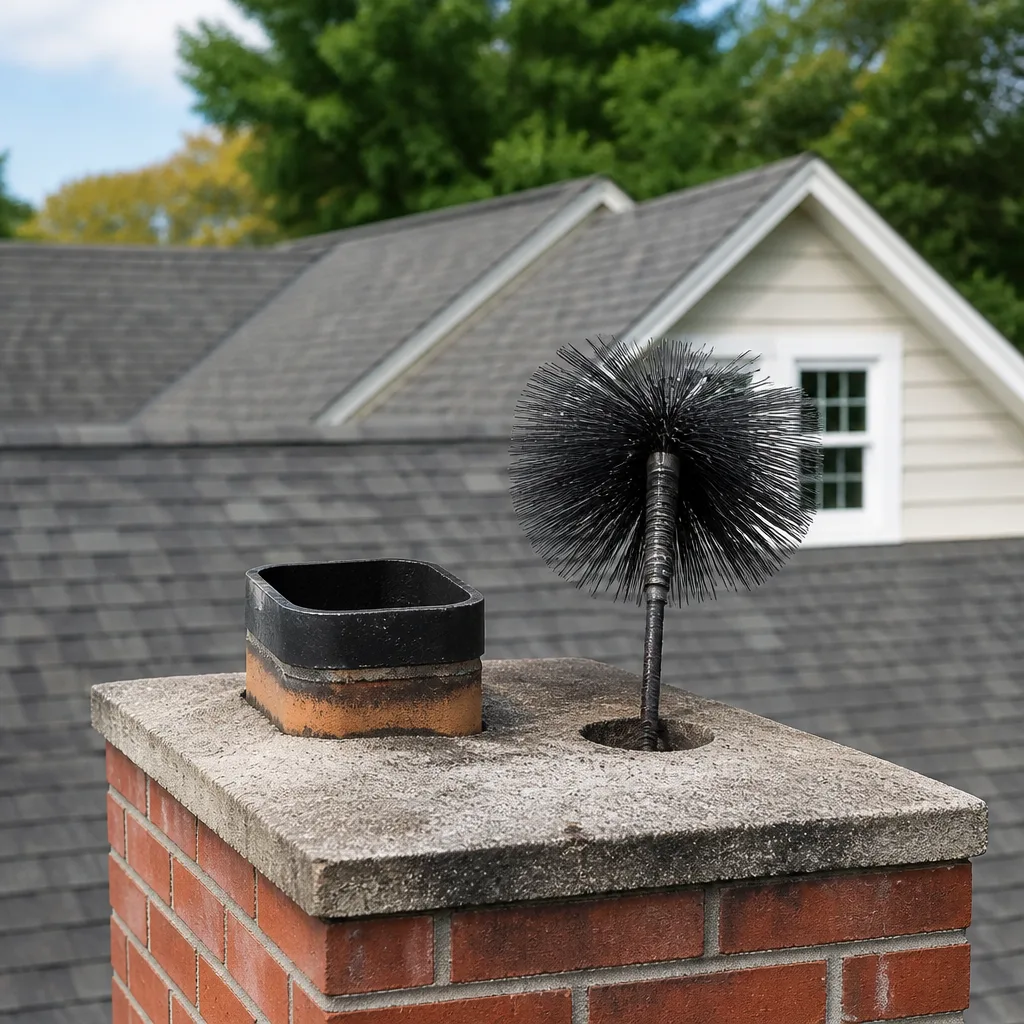 Sweep & inspection
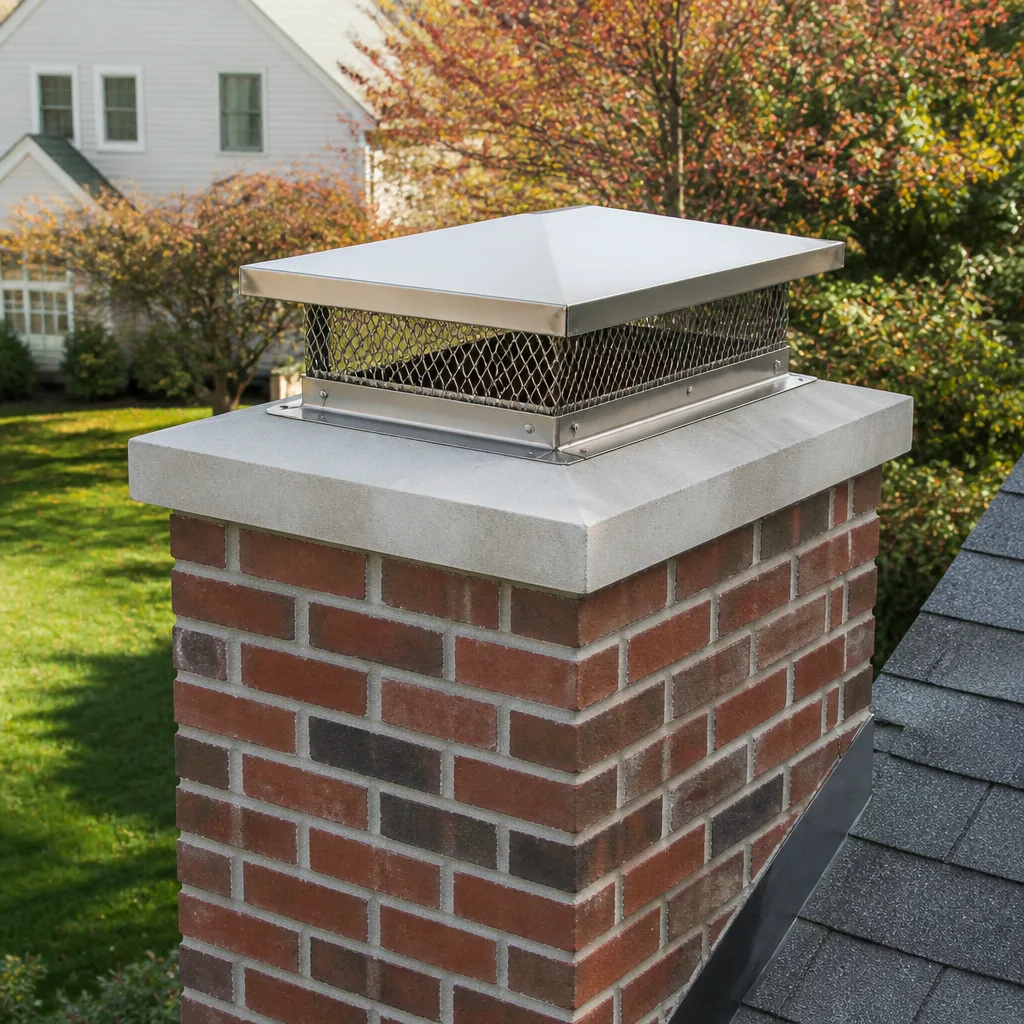 Caps & crowns
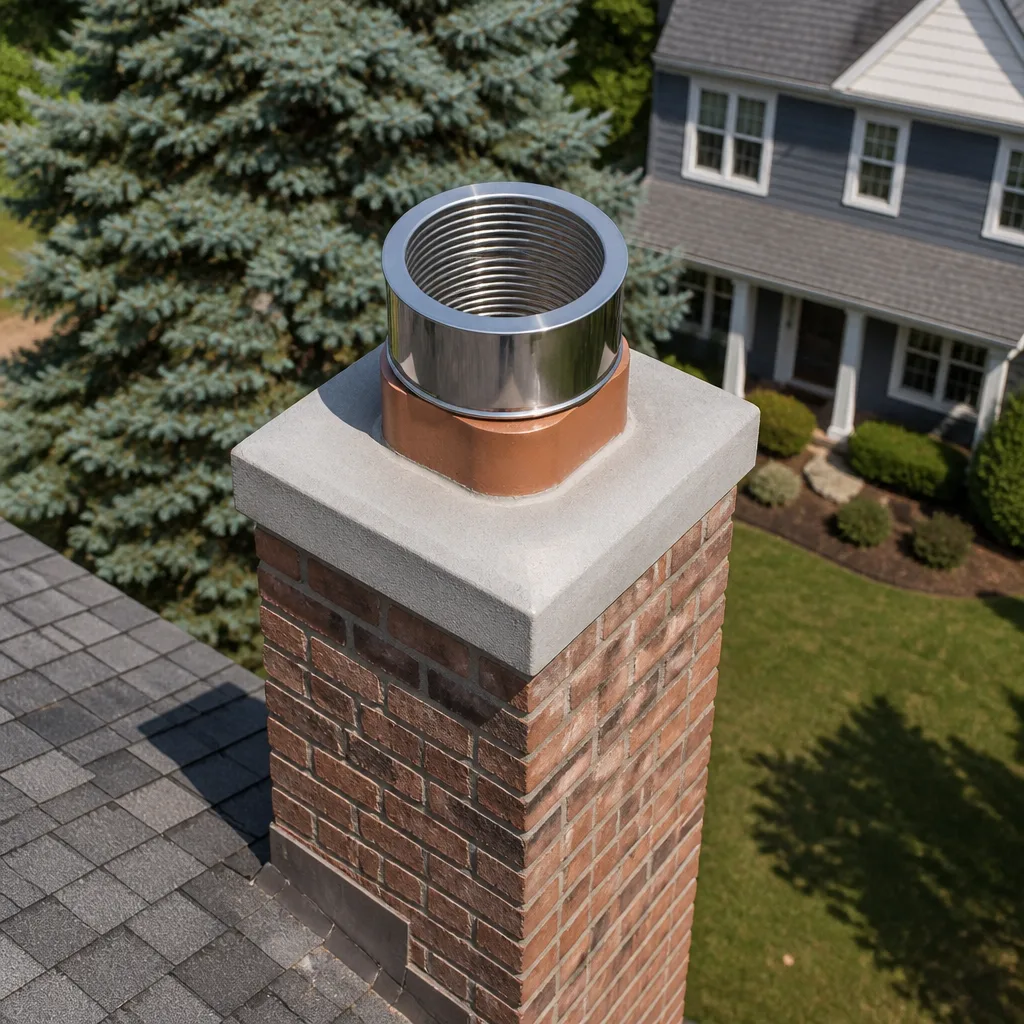 Flue relining
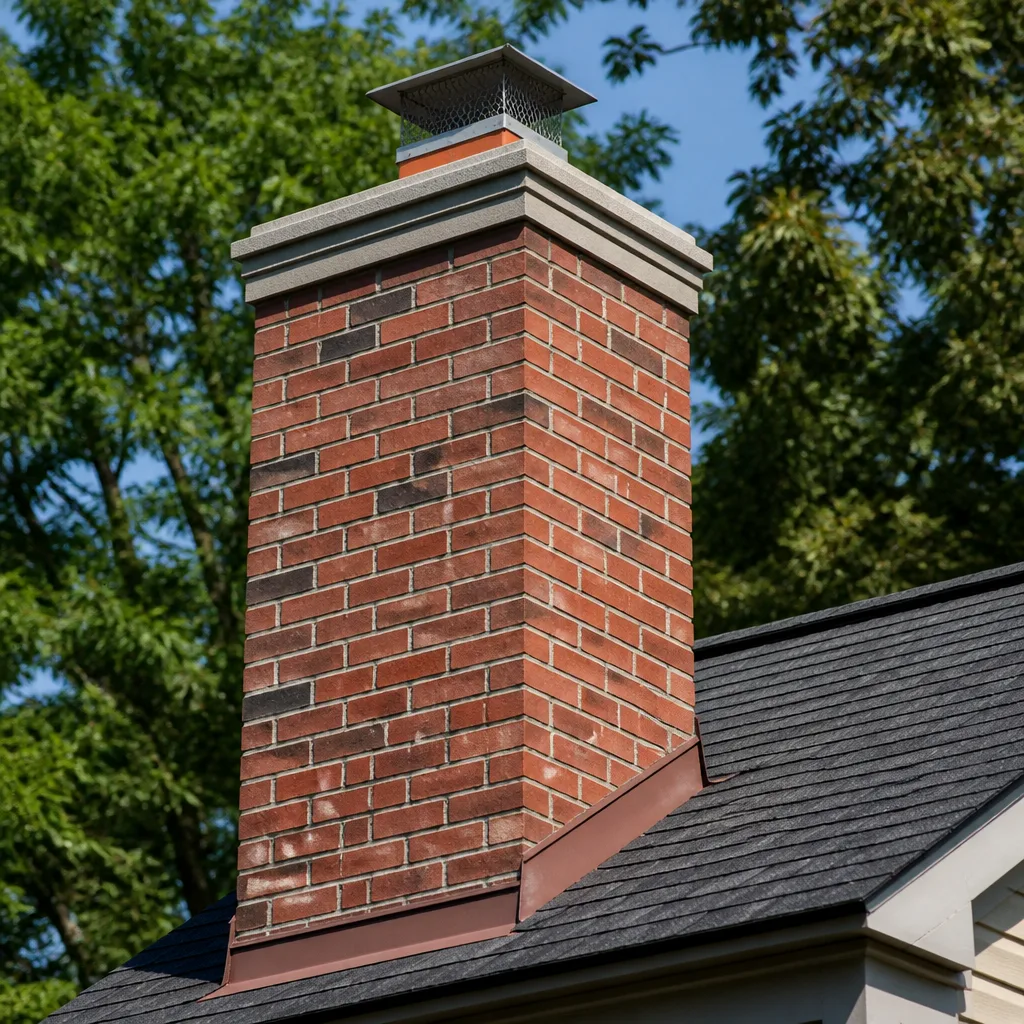 Masonry repair
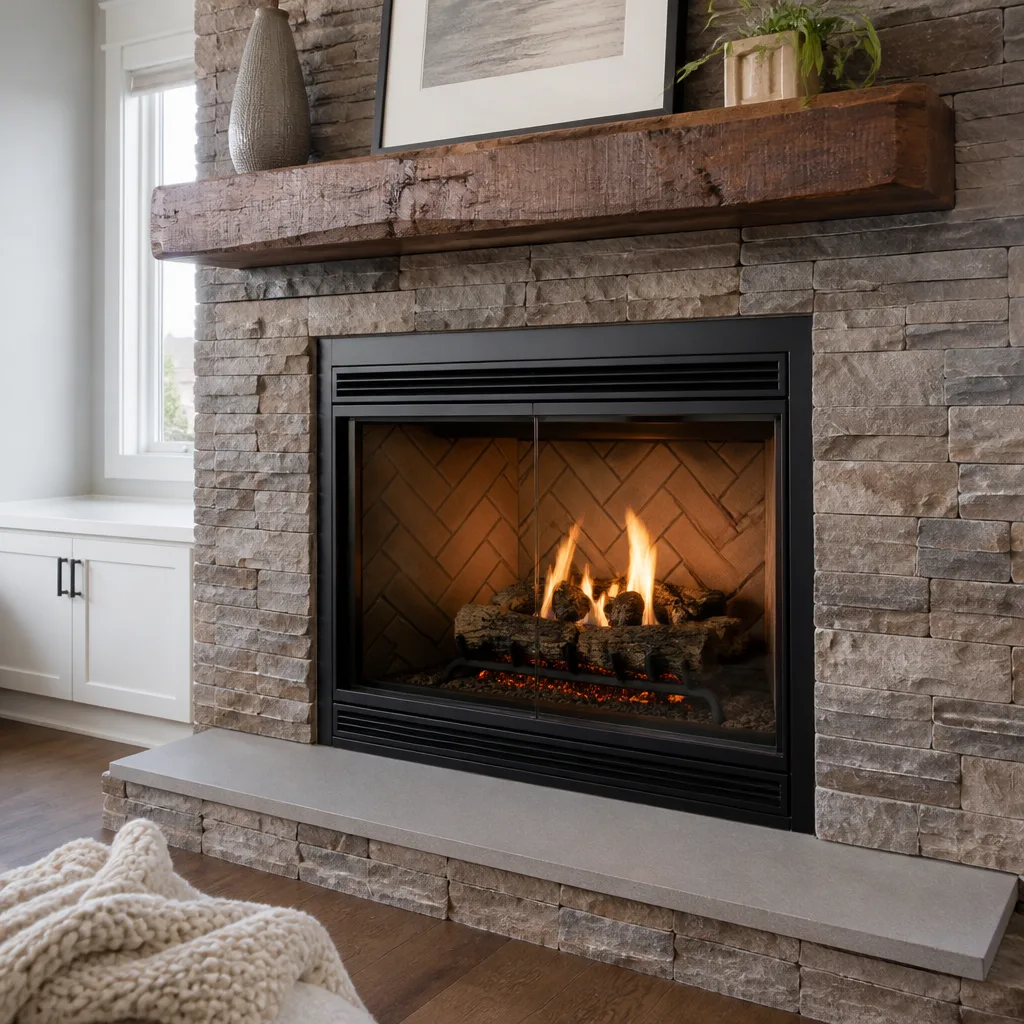 Gas fireplace service
Level 1 sweep and inspection to the NFPA 211 annual standard - flue, crown, cap, and flashing checked and photographed
Chimney sweep logs do not sweep chimneys. They loosen some creosote - which then falls where a brush and vacuum still have to collect it.
The Complete Guide to Chimney Cleaning in Coral Springs
Most chimney advice you’ll find online was written for a New England colonial that burns four cords a year. That isn’t the chimney reality in Coral Springs. A fireplace here may run six times a season, maybe fewer, and the homeowner assumes an idle chimney needs little attention. The opposite is true. A flue that sits unused for eleven months in warm, humid air accumulates its own set of problems, and they don’t announce themselves the way heavy creosote does. This guide is the local framework: how Coral Springs chimneys actually fail, what a complete cleaning visit involves, and how to tell the difference between maintenance and a repair you’ve been sold.
Quick Answer
Chimney cleaning in Coral Springs is not a scaled-down cold-climate sweep. It’s a system: a full mechanical clean, a Level 2-style inspection with photographic documentation, and a check of the chimney’s moisture defenses, because in this climate biological growth, spalling mortar, and crown cracks cause more damage in low-use chimneys than creosote does. Most homes here benefit from an annual cleaning and inspection regardless of how often the fireplace is used, and the written estimate sets the final price after we’ve seen the flue.
Styles & brands we work with
- Sweep & inspection
- Caps & crowns
- Flue relining
- Masonry repair
- Gas fireplace service
Table of Contents
- Why Chimney Cleaning in Coral Springs Isn’t a Cold-Climate Job
- What Humidity Does to a Chimney That Sits Idle
- Coral Springs Chimney Types From the Building Boom
- How Salt-Laden Air Reaches an Interior Chimney
- What a Complete Cleaning Visit Actually Involves
- Local Code Touchpoints and the Hard Calls
- How Often Coral Springs Chimneys Need Cleaning
- What Chimney Cleaning Costs in Coral Springs
Why Chimney Cleaning in Coral Springs Isn’t a Cold-Climate Job
National chimney guides are built around fires burned all winter and creosote packed on thick by spring. That model doesn’t describe a Coral Springs home. A chimney here might run six times a year, and it still fails a Level 2 inspection, not because of creosote but because of moisture and biological growth that accumulate while the flue sits dormant.
The sequence goes like this. Warm humid air moves through an idle flue. Condensation forms on the cooler masonry. Dust, soot residue, and organic material that settled after the last fire stay damp. In a shaded chimney chase where temperatures stay mild, that combination supports biological growth and drives moisture deeper into the mortar. It’s slow and quiet. Six uses a year is enough to deposit material and nowhere near enough to dry the chimney out or burn it away.
A cold-climate chimney works in its own favor: heavy fire heat dries the masonry, and the buildup that the homeowner does notice gets swept every year because everyone expects it. A Coral Springs chimney has the reverse problem. Nobody expects anything, the flue is idle, and the damage is moisture-based rather than fire-based.
That changes what “chimney cleaning in Coral Springs” needs to mean:
- Moisture defense gets checked every visit – crown, cap, flashing, and mortar joints, not only the flue interior.
- Biological growth and efflorescence are a category of their own – white mineral bloom on the brick a homeowner can see with their own eyes.
- Crown and mortar condition matters as much as soot – cracking that would be minor in a dry climate opens the assembly to rain here.
- Documentation matters more – when there’s little creosote to show, the written record of the flue’s condition is what tells you the chimney is healthy.
If you’ve been told your chimney doesn’t need attention because you barely use the fireplace, that’s the assumption worth questioning first. In our experience, the low-use Coral Springs chimney is the one most likely to sit unexamined for years while moisture works at the crown and the mortar.
What Humidity Does to a Chimney That Sits Idle
South Florida’s warm, humid air is the primary chimney maintenance issue in Coral Springs, and it doesn’t need the fire to burn to be active. Two mechanisms do most of the damage.
Condensation cycling. Moisture-laden air entering a cool flue condenses on the masonry. That moisture wicks into mortar joints and the flue lining. Warm-season evaporation carries some of it out. The cycle repeats. Over a few seasons, cycling moisture weakens mortar and paints efflorescence, a white mineral bloom, across the brick face. Efflorescence isn’t cosmetic in a chimney; it’s evidence of moisture moving through the masonry.
Biological growth and spalling. Idle, damp, shaded masonry is a good place for growth ranging from a green haze to dark staining. The bigger risk is what the moisture does underneath. Cold-climate guides focus on creosote because that’s what fills cold-climate flues. Here, a low-use flue is more likely to hold:
- Softer, chalky soot residue from short burns that never reached full heat.
- Damp soot that has clumped and begun to corrode a metal liner’s surface.
- Masonry moisture at the flue crown, where cracks let rain in from above.
- Discolored brick around the chimney exterior, which tracks back to a failed crown or open joint, not to the fire below.
The practical consequence: a routine chimney sweep in Coral Springs that only brushes the flue and never inspects the crown, cap and flashing leaves the actual threat untouched. The sweep is still necessary, and the inspection around it is what finds the moisture problem before masonry spalls and the repair moves from resurfacing to rebuilding.
Coral Springs Chimney Types From the Building Boom
The chimney you have depends on when your Coral Springs house went up. The city’s housing stock grew heavily from the 1980s into the 2000s, and the chimney assemblies from those decades have a fairly predictable set of weak points.
Masonry fireplaces with clay tile flues
Common through the 1980s and into the 1990s. The standard assembly is a masonry firebox, a clay tile liner in sections, and a brick chimney with a cast concrete crown. The recognized weak points are the mortar joints between tile sections and the crown itself. A cracked crown lets water into the chase, and the joints between tile can fail once a fired appliance fires up a flue that hasn’t been checked. This is where chimney repair most often starts for Coral Springs homeowners: a failed crown, a spalled flue crown, or a tile joint that needs to be addressed before it becomes a larger rebuild.
Prefabricated metal fireplace systems
Common from the 1990s into the 2000s. Factory-built systems use a lighter gauge flue and a specified clear-to-combustibles within the chase. They do their job, and they don’t age the way masonry does. What we look at here is the condition of the flue joints and the cap, because a cap that has corroded or dropped out lets rain and debris into a flue that isn’t built to drain it.
Masonry with retrofitted liners
Some older Coral Springs chimneys have already had a liner installed after a prior repair. On those, the cleaning and inspection focus shifts to the liner’s condition and the appliance connection. HeatShield resurfacing is often the sensible option when a liner has developed cracks or gaps but its overall structure is sound, restoring the liner’s integrity without a full reline replacement. That distinction is the one that saves money: resurfacing treats a fixable liner, and a full reline is what’s left when resurfacing isn’t an option.
One detail worth knowing: clay tile flues and metal liner systems react very differently to an idle, damp service life, and the inspection needs to account for which you have. A brush passes through both. The information a homeowner actually needs comes from looking at the joints, the crown, and the cap on that specific assembly.
How Salt-Laden Air Reaches an Interior Chimney
Salt-laden air is a real factor in South Florida, and it doesn’t only attack water-facing structures. In Coral Springs it reaches chimneys in two ways that matter even on an interior-system chimney.
The first is airborne: the whole region receives a steady flow of warm, humid air that carries salt. On the exterior chimney chase, that air settles on brick and mortar, and salt accelerates the deterioration of cementitious materials. The crown, the mortar joints, the brick face and the flashing are where it shows. A crown that would weather slowly in a dry climate ages faster here.
The second is through the top opening. Under the wrong conditions, humid air carries salt and moisture into the flue from above when the cap is missing or damaged. Once inside, it affects the liner’s surface, particularly any metal components. That is why the chimney cap is not an accessory on a Coral Springs chimney; it’s part of the moisture defense.
What that means for the homeowner:
- Cap condition is a first-order item. A damaged or missing cap lets airborne moisture and debris down the flue. We install Gelco and Famco chimney caps matched to the specific flue, so the repair is finished with correct hardware rather than a tightened steel plate.
- Crowns are inspected every visit. Hairline cracks read small and grow; a crown that gets resurfaced early is a small repair, and one that’s left becomes a rebuild.
- Spalling brick isn’t cosmetic. Flaking brick faces on the chimney chase are a sign the masonry is holding moisture.
- Interior chimneys are not immune. The exterior chase and the top opening are still exposed, so the mortar and cap still take the same load.
For a Coral Springs homeowner, the mental habit is to check the chimney top-down like a roof: crown, cap, flashing and mortar first, flue interior second. That’s the order the local climate writes for you.
What a Complete Cleaning Visit Actually Involves
A complete cleaning visit in Coral Springs is a sequence, and the home is protected from soot as part of it. The sweep is the core of the visit; the inspection and documentation are the reason a competent visit costs less than a wrong repair.
- Setup and containment. Drop cloths and a vacuum at the firebox before any brush touches the flue. Sealing the opening keeps soot in the chimney, not on the living room sofa.
- Mechanical sweeping of the flue. A properly sized brush for the specific flue type, worked until the flue is clean and the soot and creosote residue is removed. For a low-use Coral Springs chimney, the residue is usually softer than a cold-climate sweep, which is exactly why the inspection that follows matters more than the brushing.
- Firebox and smoke chamber. Swept and checked. The smoke chamber is where a lot of the poorly-ventilated buildup hides in fireplaces that burn short fires.
- Inspection of the whole assembly. Flue interior, liner joints, firebox, damper, smoke chamber, crown, cap, flashing, and accessible masonry. The findings are the information you’re paying for.
- Documentation. A written report with photographs. If a repair is recommended, you get to see the condition behind the recommendation for yourself, in the photographs, before you decide.
- Product application when the findings call for it. That might be a HeatShield resurfacing on a sound but cracked liner, a correctly matched cap, or a crown treatment. It’s a diagnosis first, so the repair that gets recommended is the repair the chimney actually needs.
What we’re describing is the complete system: sweep, repair and inspection under one company, so a single chimney problem doesn’t get handed between contractors who each see part of it. That matters most in a low-use climate, where a sweep report and a repair report can otherwise miss each other entirely.
On the materials side, we work with specification-grade product lines: DuraFlex liner systems, HeatShield resurfacing, Gelco caps, Olympia Chimney supplies, and Famco venting. These are the products professionals specify, not hardware-store substitutes, and the repair is built to last as long as the chimney it’s in.
Local Code Touchpoints and the Hard Calls
Chimney work in Coral Springs is governed by the Florida Building Code and its mechanical chapter, which adopts the national chimney and venting standards rather than inventing local ones. In practice, the code you’re held to on a chimney in this city is the same national standard, applied in a very different climate than its authors had in mind.
That has three consequences worth knowing before you authorize a repair.
Permits. Most chimney repair work in Coral Springs requires a permit from the city’s building department, and the rule of thumb is simple: a re-lining, a structural change to the chimney, or a rebuilt crown is permit territory. A sweep and an inspection are not, which is why a homeowner can start with an inspection and get a clearer picture of whether the repair ahead needs a permit and an inspection.
Clearances. The national clear-to-combustibles rules around a flue are not negotiable and don’t vary by climate. An inspection checks the chimney’s installation against the rules, because a chimney that has been through previous repair work can drift out of compliance without anyone noticing.
The climate gap. The national standards are strong on creosote and fire safety and thin on moisture management in a warm, humid climate. That’s why a Coral Springs chimney inspection has to prioritize the crown, cap, flashing and masonry in a way the default national checklist doesn’t. The fire-safety standard still applies. The frame of the visit is a moisture-first country.
One more hard call: “it passed before” is not the same as “it’s fine now.” A prior inspection tells you what the chimney was; a current one tells you what it is. Coral Springs homes that changed hands during a short-ownership period, or that had a liner installed, are exactly the ones worth inspecting before the next burn season.
How Often Coral Springs Chimneys Need Cleaning
The general rule is an annual chimney cleaning and inspection, and Coral Springs is a place where the annual part matters more than the cleaning part. Most local fires are too rare for a heavy soot load, and it’s the yearly inspection that catches the moisture damage a fire-free year leaves behind.
Here’s how we’d frame the schedule for Coral Springs homes:
- Burning regularly, even seasonally: an annual sweep and inspection. The fires are what put material in the flue; the inspection is what keeps the flue and crown healthy.
- Burning rarely: an annual inspection, with a sweep as needed after we look. Low-use doesn’t mean no visit; it means a different balance of sweep to inspection.
- Real-estate transaction or insurance documentation: a formal, standalone inspection. We offer this as its own service, and the written report travels with the transaction.
- After a storm event or significant weather: a top-down check of the crown, cap and flashing. Water in the chase is the issue to rule out.
- No memory of the last inspection: book one. A chimney with an unknown history is the one most likely to be holding a surprise.
For the sweeping service itself, you can see how we describe the visit and the schedule on our chimney sweep page. The one thing we’d push back on is the idea that a Coral Springs fireplace used lightly can skip the annual visit. In this climate, the unused months are the working months for chimney damage.
What Chimney Cleaning Costs in Coral Springs
Chimney cleaning in Coral Springs is priced per job, and the written estimate sets the final price after we’ve seen the flue. The ranges below are typical for the local market and give you something concrete to compare against when you’re shopping.
| Service | Typical Coral Springs range |
|---|---|
| Standard chimney sweep, single flue | $180 – $340 |
| Sweep plus full inspection with photo report | $240 – $420 |
| Formal standalone inspection (real estate, insurance) | $250 – $450 |
| HeatShield liner resurfacing | $1,400 – $3,200 |
| Chimney cap replacement (Gelco or Famco) | $350 – $850 |
| Crown repair and resurfacing | $450 – $1,200 |
| Full liner replacement (DuraFlex) | $2,500 – $6,000 |
The costs worth understanding are the ones that look expensive and often aren’t. A HeatShield resurfacing at the lower end of its range compared with a full liner replacement is the clearest example; on a liner that’s cracked but otherwise sound, resurfacing restores integrity without removing a serviceable liner. That’s a diagnosis we make from evidence, and you see the photographs before you agree to anything.
The estimate is free. The written estimate sets the price. Nothing is recommended that can’t be shown to you, and where work can safely wait, we’ll tell you that, too. Call (844) 834-5492 for an exact quote.
Common Mistakes to Avoid
- Assuming a rarely used fireplace doesn’t need a visit. A Coral Springs chimney used a handful of times a year is exactly the one most likely to sit unexamined while moisture damages the crown and mortar. Low use changes what the visit covers, not whether you need one.
- Paying for a brush and calling it a cleaning. A sweep that never checks the crown, cap, flashing and masonry leaves the real problem in place. The inspection is the expensive part of the visit and the one that saves money.
- Buying a full reline on the first quote. Cracks in a liner are not automatically a reline. If a liner can be resurfaced, that’s the repair we’d rather make, and if it can’t, you should see the photographs that say so before the price is agreed.
- Replacing a missing cap with a screen and calling it done. A cap in this climate does real work against rain, debris and biological entry. It should be matched to the flue, not improvised.
- Treating the crown as trim. A cracked crown lets the rain in and ages the whole chase faster in salt-laden air. It’s a small repair early and a masonry rebuild later.
- Skipping the formal inspection at a home purchase. A transaction inspection is cheaper than a surprise after closing, and it’s the document an insurer is likely to ask for.
- Taking the cheapest bid without asking about materials. The liner brand and cap spec are the build. The price is only a fair comparison when the material under it is named.
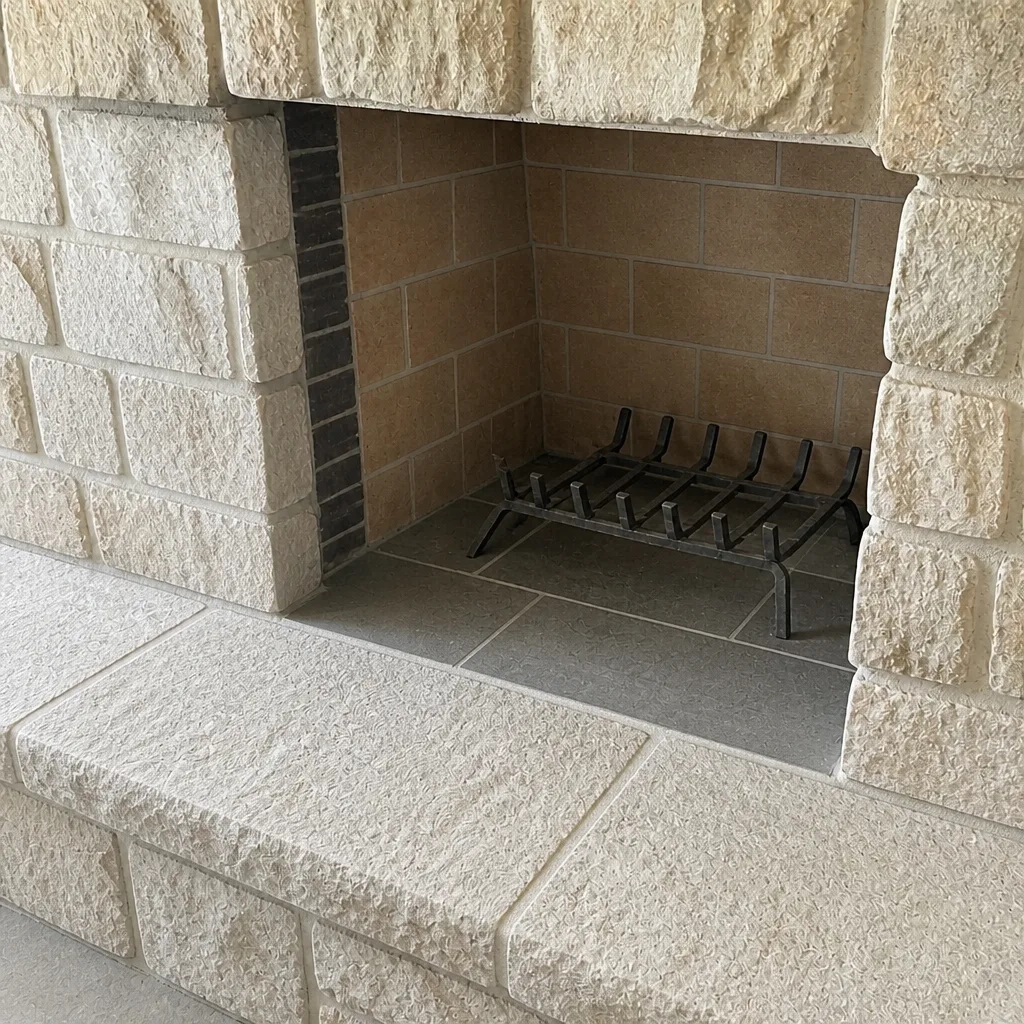
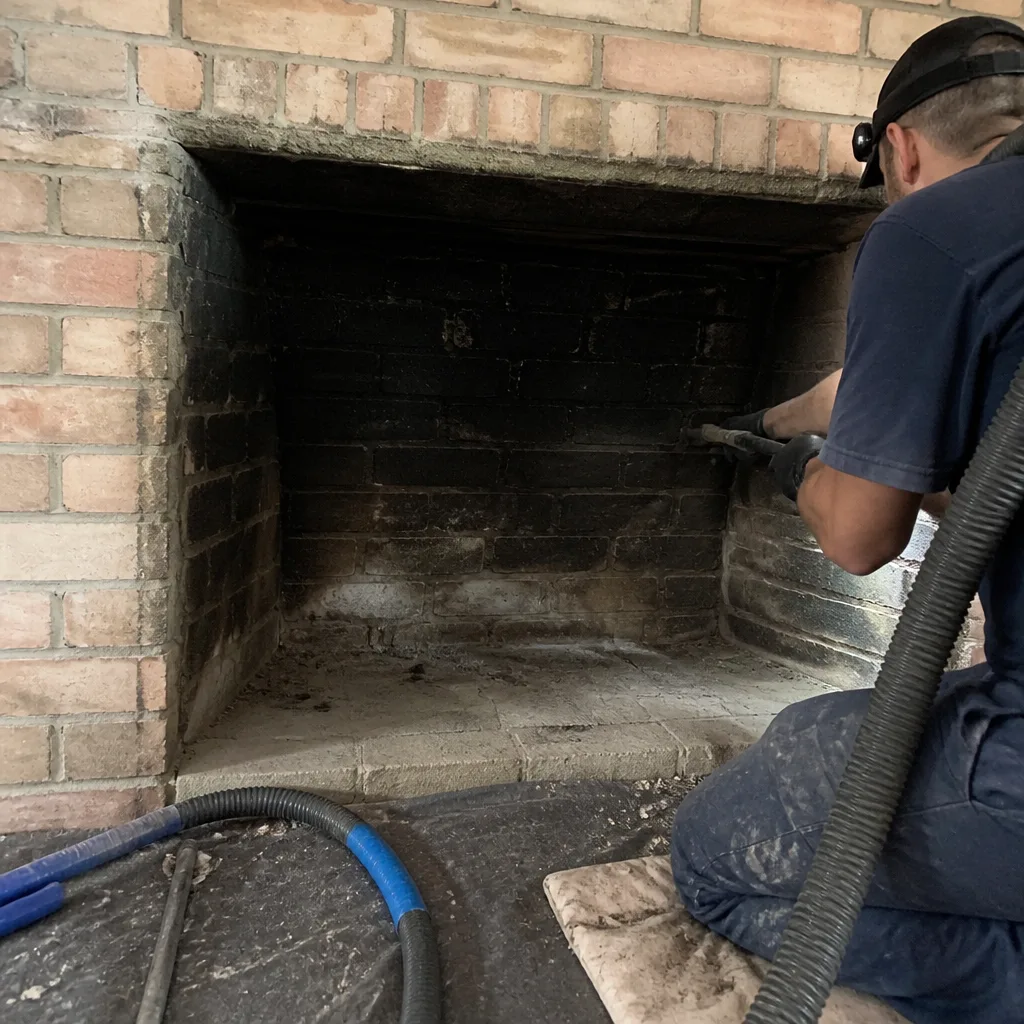
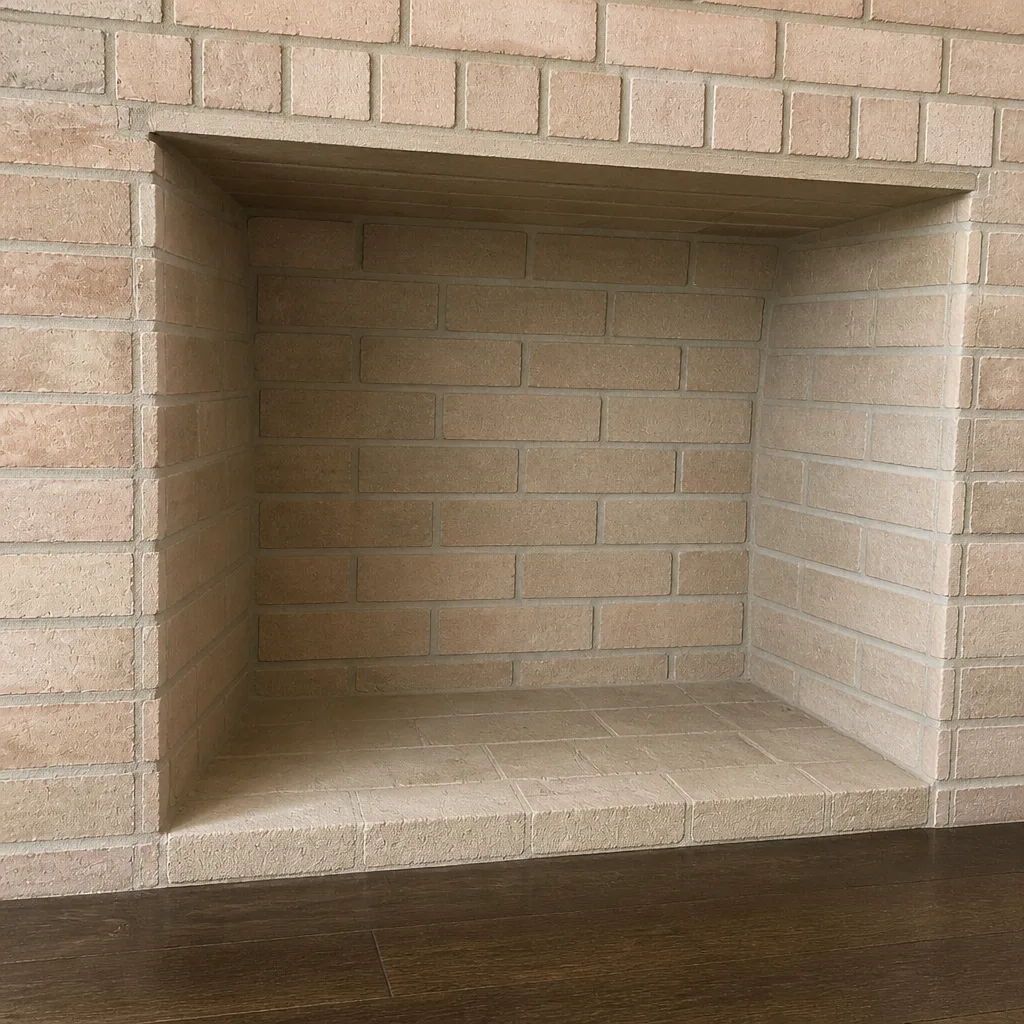
See the difference
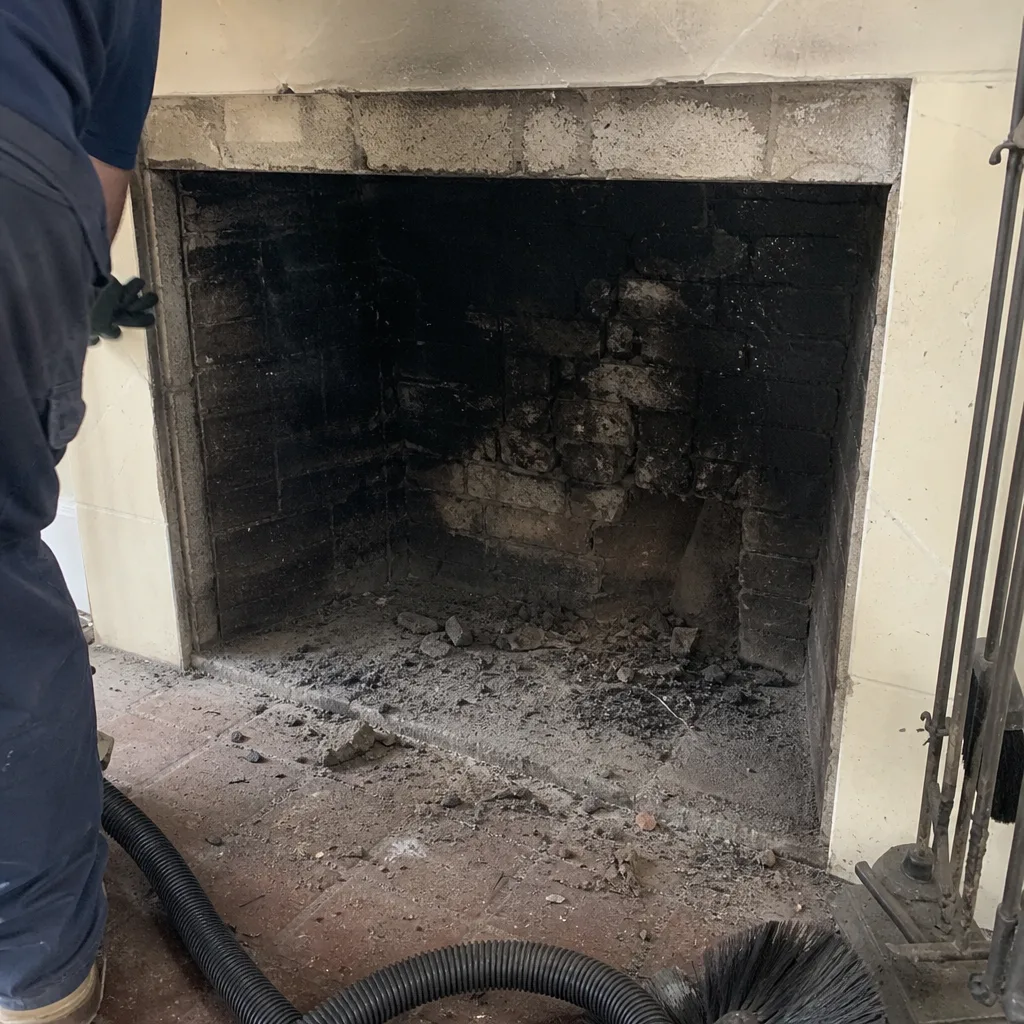 Before
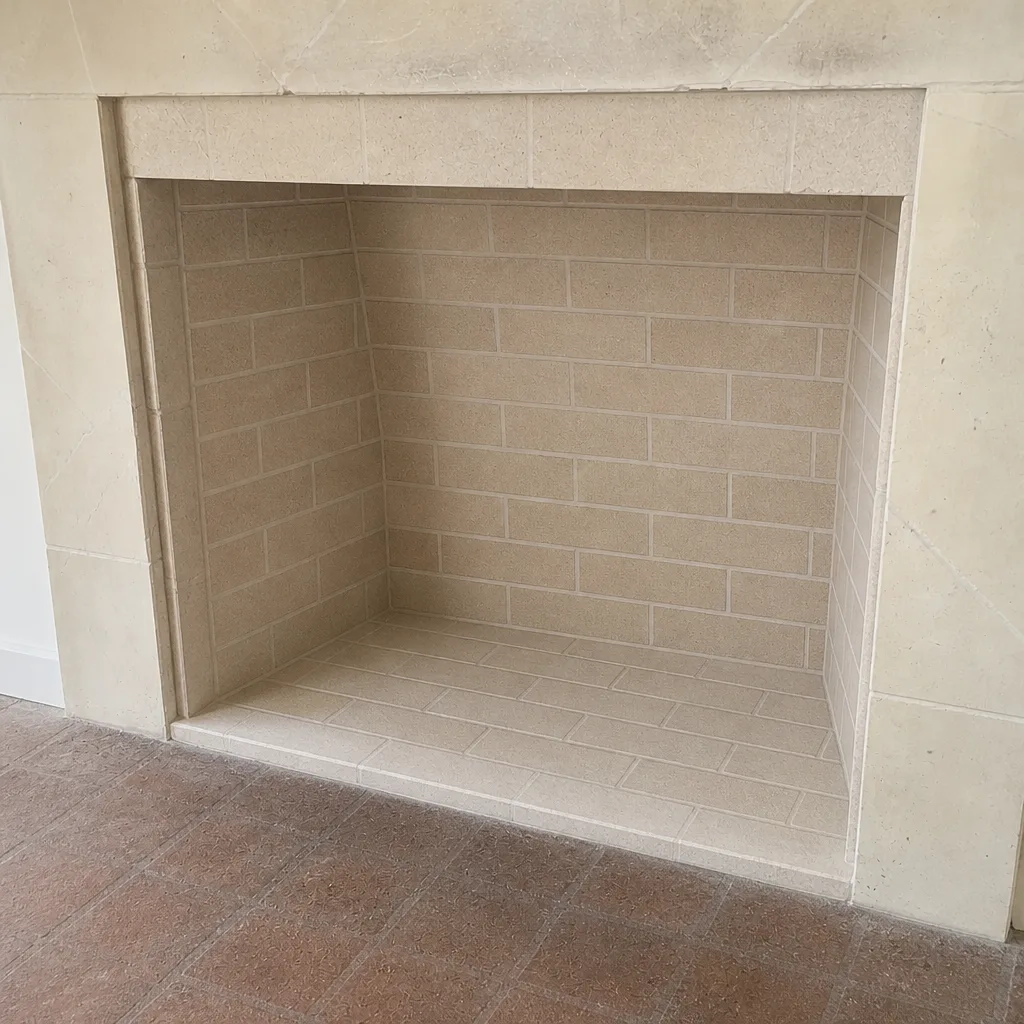 After
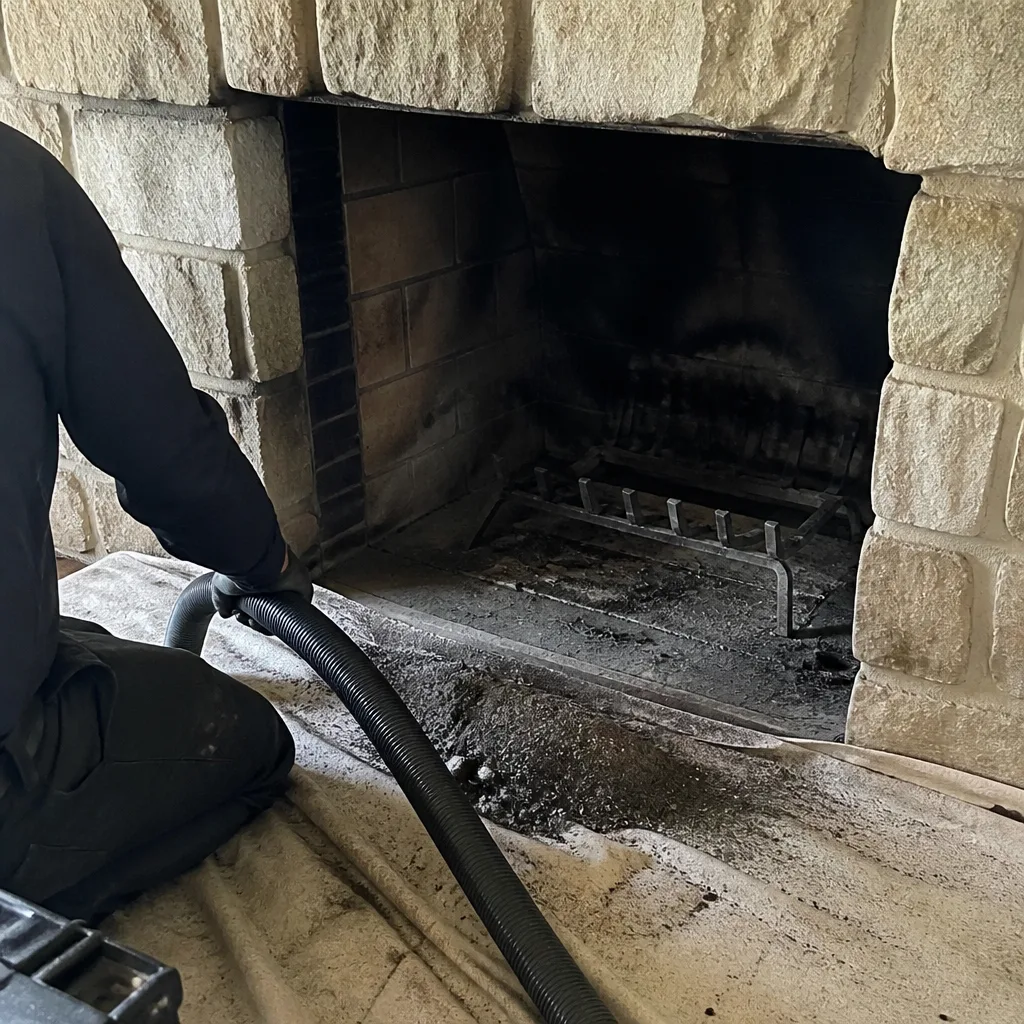 Before
 After
 Before
 After
When to Call a Professional
Call a professional if you can’t remember the last time the chimney was inspected, if the fireplace smells smoky or musty when you haven’t used it, or if you see white bloom, dark staining or flaking brick on the chase. Call sooner if the crown is visibly cracked, if the cap is missing or loose, or if you’re buying or selling a Coral Springs home and need the inspection documented. Soot and moisture problems are not something to diagnose at the firebox with a flashlight, and no step of a chimney sweep should be done by anyone who hasn’t been trained on the flue type and the safety equipment for it. Carrington Chimney Sweep offers free estimates in Coral Springs. Call (844) 834-5492. We answer 24/7, with fast dispatch from 7am to 7pm, Sunday through Friday.
Frequently Asked Questions
A standard chimney sweep in Coral Springs typically runs $180 to $340 for a single flue, and a sweep combined with a full inspection with a photo report commonly lands between $240 and $420. The written estimate sets the final price, and the estimate is free. Call (844) 834-5492 for an exact quote.
Not usually, and the honest answer is that it depends on what the inspection finds. A liner that’s cracked but structurally sound is a good candidate for HeatShield resurfacing, which restores integrity without removing the liner. A liner that has failed across its length is a different call. Ask to see the photographs behind either recommendation before you agree to work; a chimney company that won’t show you the evidence is the one worth walking away from. Call (844) 834-5492 for an inspection first.
Annually for most homes in Coral Springs, even when the fireplace is used lightly, because the yearly inspection is what catches moisture damage to the crown and masonry. Homes that burn regularly often need a sweep each year; low-use homes still need the annual inspection, with a sweep as needed. Call (844) 834-5492 to book the first visit.
Skipping the annual visit lets moisture and biological growth keep working at the masonry, crown and flue in a climate that doesn’t dry a chimney out between fires. The damage is slow and quiet, and it moves from a resurfacing-sized repair toward a reline or masonry rebuild. If you’d rather know which stage your chimney is at, call (844) 834-5492 for an inspection.
Often yes, and we’ll confirm the slot when you call. Same-day service depends on the booking and the flue, so the estimate and the visit are scheduled together. We answer 24/7, and dispatch runs 7am to 7pm, Sunday through Friday. Call (844) 834-5492.
A formal chimney inspection is a sensible part of a Coral Springs real-estate transaction, and it’s often what an insurer wants before a new owner lights a first fire. We offer it as a standalone service, with a written report you can hand to the other side. The estimate is free, and the written report sets out what the inspection found. Call (844) 834-5492.
The Bottom Line
Chimney cleaning in Coral Springs is a different job from the cold-climate version most homeowners picture. The fire is infrequent, the humidity is steady, and the damage that matters comes from moisture and biological growth on an idle chimney rather than creosote from a hard-worked one. An annual visit that includes a real inspection of the crown, cap, flashing and flue is the maintenance schedule for this climate. Repair, when it’s needed, starts with evidence you can see, and the sensible repair is resurfacing before replacement where the liner allows it. That’s the whole system: sweep, inspect, document, then repair only what’s proven.
Carrington Chimney Sweep handles sweeping, repair and formal inspection as one complete system, with specification-grade materials from DuraFlex, HeatShield, Gelco, Olympia Chimney and Famco. We diagnose first, so the repair we recommend is the repair your chimney actually needs. Where work can safely wait, we’ll say so. Call (844) 834-5492 for a free estimate. We answer 24/7, and fast dispatch runs from 7am to 7pm, Sunday through Friday.
If you’re located in the surrounding area and would like to understand what we cover in Coral Springs and how we approach a first visit, our main page is the place to start. You can also reach the team directly through Carrington Chimney Sweep, and read more about the sweep, repair and inspection services we offer as a complete package.
Written by the team at Carrington Chimney Sweep.