
Last updated November 15, 2026
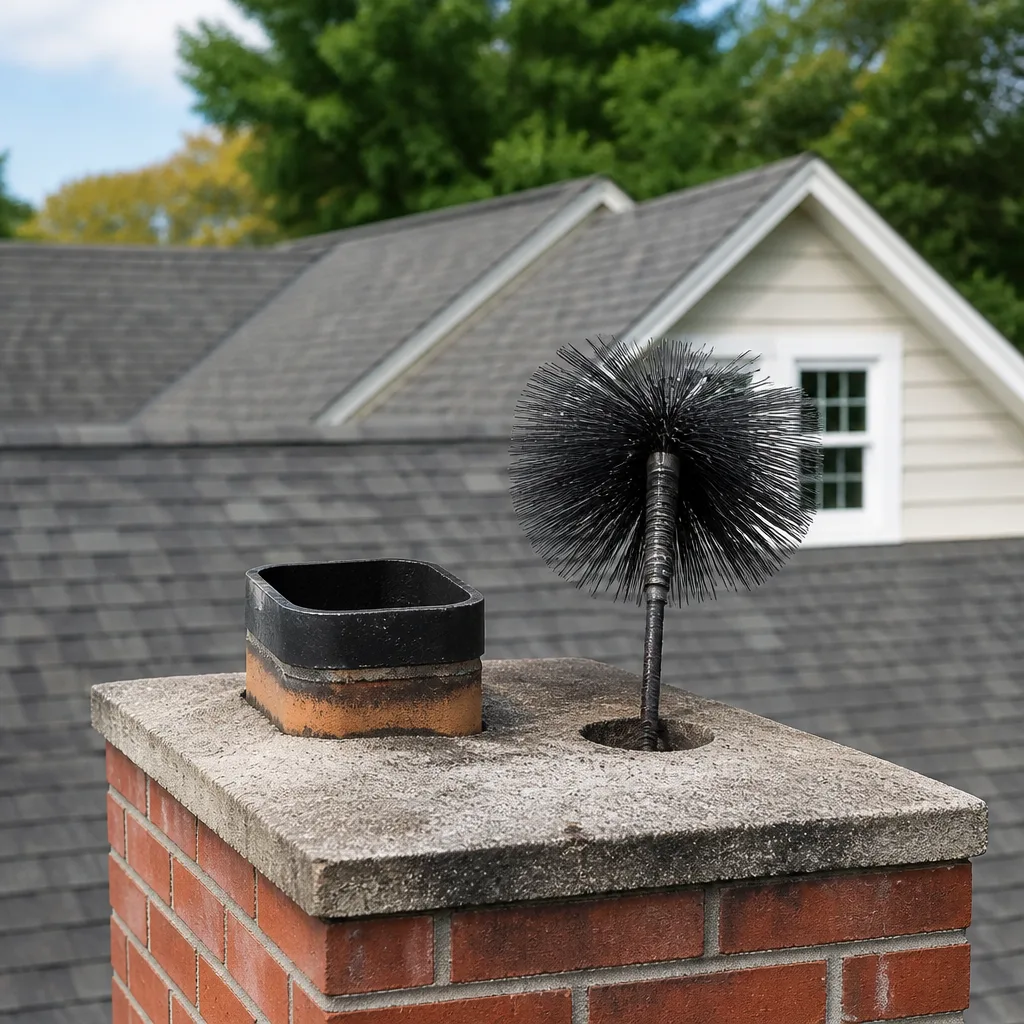 Sweep & inspection
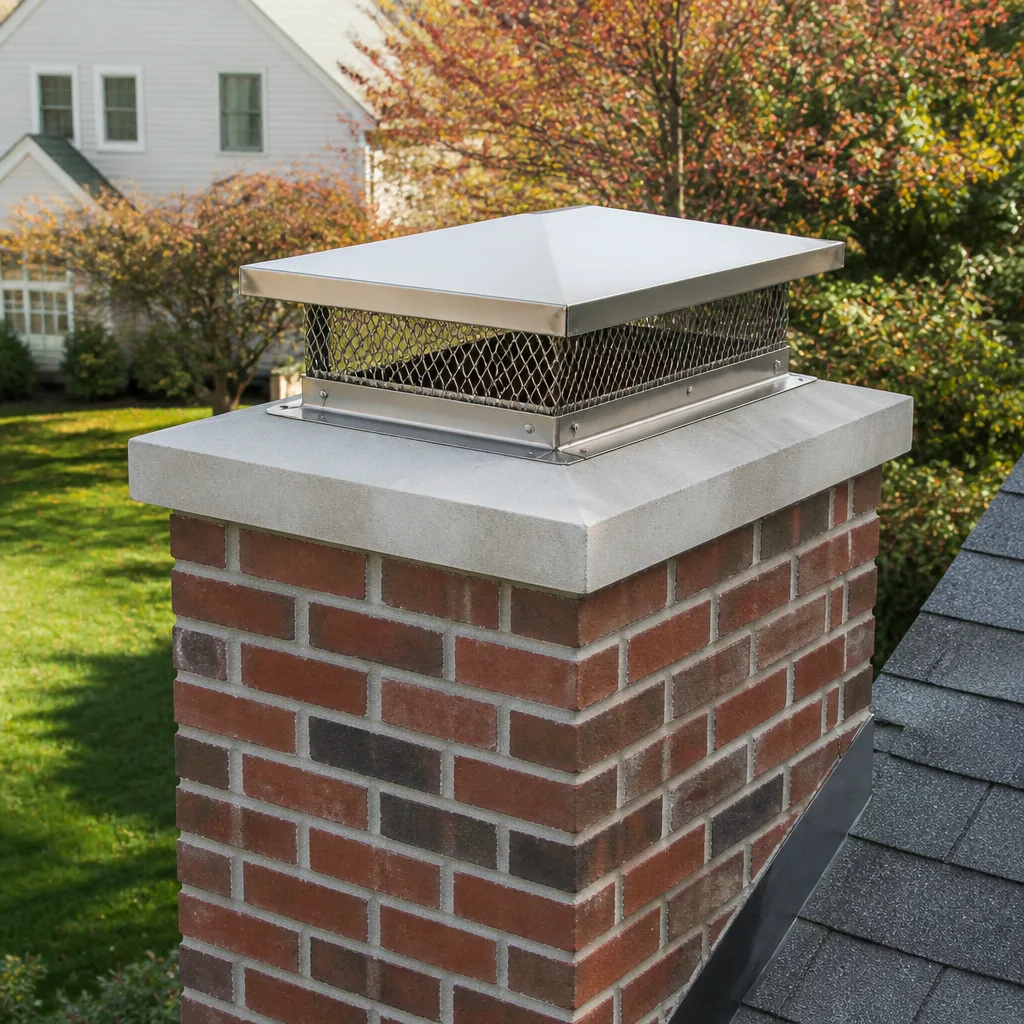 Caps & crowns
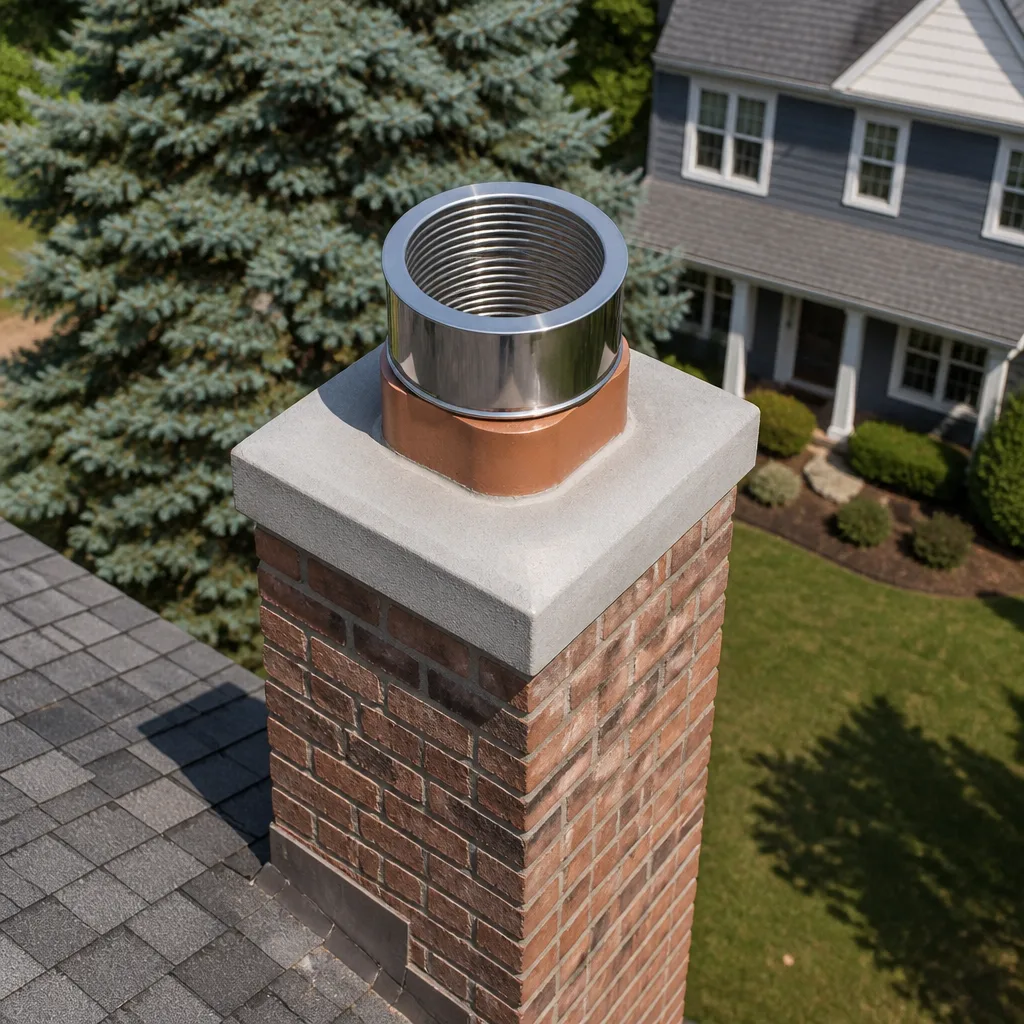 Flue relining
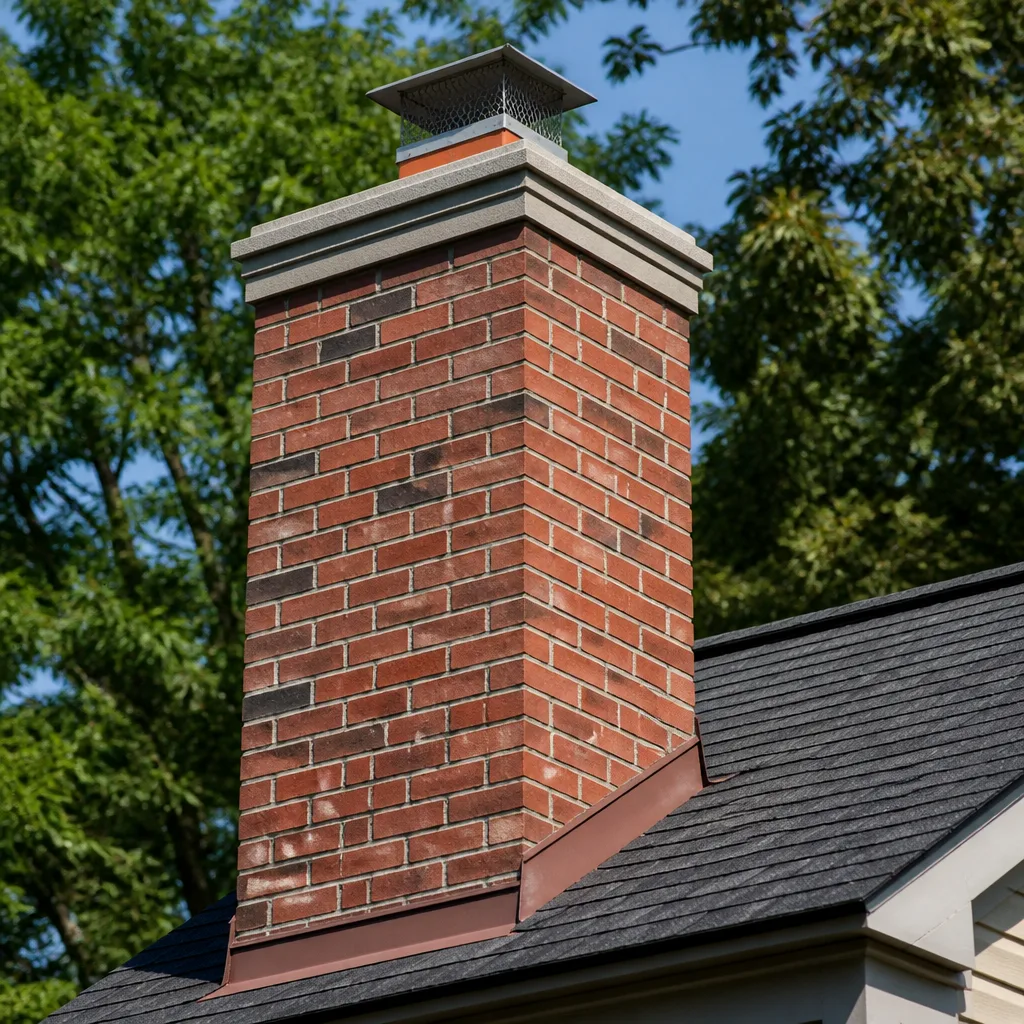 Masonry repair
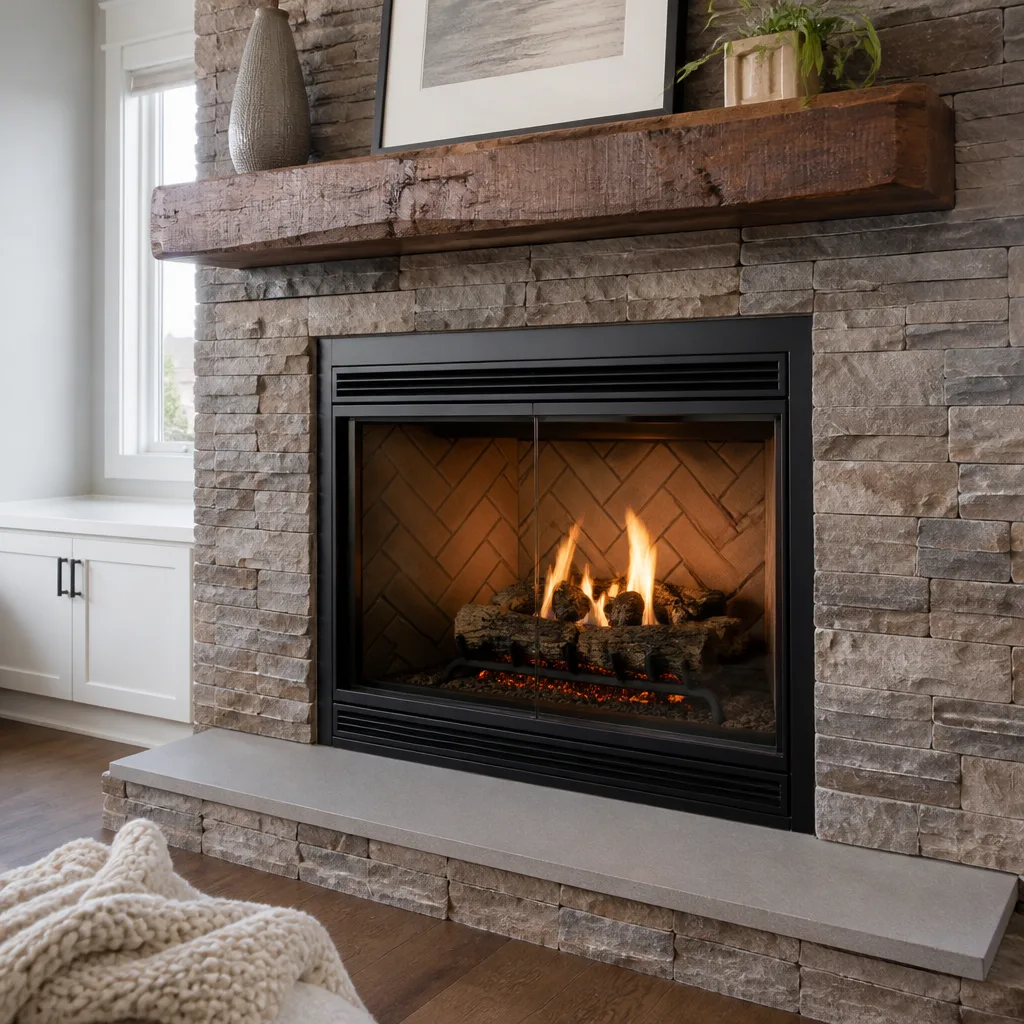 Gas fireplace service
Level 1 sweep and inspection to the NFPA 211 annual standard - flue, crown, cap, and flashing checked and photographed
Chimney sweep logs do not sweep chimneys. They loosen some creosote - which then falls where a brush and vacuum still have to collect it.
Choosing the Right Chimney Cleaning Brand: A Buyer’s Guide for Coral Springs
Two technicians can climb onto the same roof, replace the same cap, and hand you two invoices that read identically. One cap is a thin retail shell that will pit and thin out within a few seasons. The other is a specification-grade stainless component built for a documented service life. Nothing on either invoice tells you which one you got unless you know to ask. That gap between a vague line item and a real material spec is where most chimney decisions are won or lost. This guide walks through the brands that actually sit behind the work in Coral Springs: the liners, the sealants, the caps, and the mortar, and how to read a quote so you know what’s going into your flue.
Styles & brands we work with
- Sweep & inspection
- Caps & crowns
- Flue relining
- Masonry repair
- Gas fireplace service
Quick Answer
The right chimney cleaning company in Coral Springs is the one whose quote names the product lines going into your chimney, not just the labor. Look for professional-tier materials such as DuraFlex liner systems, HeatShield resurfacing, Olympia Chimney supplies, and Gelco or Famco caps, and ask for them by name on the written estimate. A contractor who can cite the manufacturer and product is sourcing from professional supply chains. One who can’t is probably installing whatever the hardware store had in stock.
Table of Contents
- Why “Brand” Means Something Different in Chimney Work
- The Professional Product Lines Behind Specification-Grade Chimney Work
- Why Stainless Steel Gauge and Alloy Type Matter in Coral Springs
- What “Contractor-Grade Supply” Actually Means and How to Verify It
- How to Read a Material Spec on a Chimney Repair Quote
- Material Quality and Warranty: What a Real Guarantee Requires
- A Step-by-Step Way to Vet a Chimney Company
- Common Mistakes to Avoid
- When to Call a Professional
- Frequently Asked Questions
- The Bottom Line
Why “Brand” Means Something Different in Chimney Work
Most homeowner searches for a chimney company lead to a list of national franchise names, and that list teaches the wrong lesson. The company logo on the truck tells you almost nothing about what’s going into your chimney. The brand that governs your outcome is the one stamped on the liner, the sealant, the cap, and the mortar mix, because those are the materials that will spend the next twenty years exposed to heat, moisture, and the routine chemistry of a wood fire.
In our experience, the question worth asking isn’t “which company should I hire?” but “what grade of materials will this company install, and can they name them?” Those are different conversations. One is about marketing. The other is about the physical system that carries smoke and carbon monoxide out of your house for years after the technician’s van leaves the driveway.
This matters more in Coral Springs than in a lot of places. The warm, humid climate here puts a specific kind of pressure on metal components that you don’t see in cold-dry regions. A chimney in Coral Springs goes through long stretches where moisture sits on surfaces without evaporating quickly, and where the air itself carries enough humidity to accelerate corrosion on a marginal stainless grade. That’s why the material spec is the first thing worth pinning down. Our Carrington Chimney Sweep approach is built around this: diagnose the system, then recommend the product line that fits it, not the cheapest thing on the shelf.
When you start comparing companies, keep this single idea in front of you. Two quotes for the same repair can look identical on the surface while being twenty years apart in service life. The invoice language hides it. The material spec doesn’t.
The Professional Product Lines Behind Specification-Grade Chimney Work
Specification-grade chimney work uses materials from supply chains that the trade itself relies on, the same lines contractors and chimney engineers specify on jobs where the material has to perform. The categories that matter most are liners, caps, sealants, and mortar. In each one, a professional-tier product exists and a retail-tier substitute exists, and they are not interchangeable.
- Liners. A chimney liner is the metal or cast-in-place flue that carries exhaust past the masonry. Professional liner systems like DuraFlex are manufactured to a known alloy and gauge so the installer and the inspector both know exactly what’s going in. Retail substitutes often aren’t specified by alloy at all.
- Caps. A cap keeps rain, birds, and debris out of the flue while letting exhaust escape. Specification-grade caps from Gelco or Famco are built to a stated gauge and finish. Generic aftermarket caps are where a lot of premature rust-through shows up.
- Sealants. The sealant at the crown and the top plate is the joint that fails first when it’s not rated for the heat and moisture cycling of a working flue. Professional sealants are rated for that environment. Retail caulk often isn’t.
- Mortar and resurfacing. When a liner has cracked but the chimney isn’t ready for full replacement, a resurfacing product such as HeatShield restores integrity from the inside. It’s a specialist repair most basic sweep companies don’t stock or carry the capability for.
Olympia Chimney also supplies components across the liner and venting space that professionals specify when they need a matched system. Copperfield makes specialty components that show up in repair jobs where the standard part won’t fit. The point of naming these lines isn’t to advertise them. It’s that a company able to name them is a company sourcing from a professional supply chain. If you’re weighing a company against a competitor, the chimney sweep conversation is your chance to ask which lines they work with.
The pattern to notice: every one of these categories has a professional product and a retail equivalent, and the difference is usually invisible once installed. That’s the entire risk. You’re not choosing between two products you can see side by side. You’re choosing between two supply chains and hoping the invoice tells you.
Why Stainless Steel Gauge and Alloy Type Matter in Coral Springs
Stainless steel isn’t one material. It’s a family of alloys, and the alloy and thickness together determine how long a component survives. Two components can both be called “stainless steel” while one is built for occasional indoor use and the other is engineered to sit on a roof for decades. In a warm, humid climate, that gap widens.
Humidity is the main reason. When air carries more moisture, condensation forms on metal surfaces and lingers. A marginal alloy with less corrosion resistance starts to pit sooner, and once pitting begins, the component’s structural integrity erodes from the inside. The gauge matters too. Thicker stainless holds up to thermal cycling better. Thermal cycling is the constant expansion and contraction a flue goes through between a hot fire and a cold evening.
For a Coral Springs homeowner, the practical takeaway is this: when a repair involves a cap, a liner, or a top component, ask two questions. First, what alloy is this? Second, what gauge is this? A specification-grade product has documented answers. A retail product usually doesn’t, because retail buyers rarely ask.
Ask how those answers get recorded. On a professional quote, the material spec should appear by manufacturer and product name so there’s a paper trail. On a vague quote, the line item reads “chimney cap replaced,” which tells you nothing about what grade went up there. This is the single most useful habit to build for a Coral Springs chimney. Ask about alloy and gauge, and write down the answer. If a contractor can’t give you one, that’s your answer about the supply chain. Our team at Coral Springs works to these spec standards on every job for exactly this reason.
What “Contractor-Grade Supply” Actually Means and How to Verify It
Contractor-grade supply means the material comes from a distribution channel built for professional installation, where the product is specified by alloy, gauge, and documented performance, and the manufacturer stands behind it for the installer. It’s different from retail supply, which is sold to a shopper who needs a part to fit, not a component that will perform for decades on an exposed roof.
You don’t have to take a company’s word for which side of that line they’re on. You can verify it in a short conversation. Use these steps:
- Ask them to name the manufacturer. Not the type of part. The manufacturer. A specification-grade company can name the line without looking it up.
- Ask why that line over another. A real answer involves alloy, gauge, rating, or system compatibility. A canned answer involves “it’s what we stock.”
- Ask to see a spec sheet. Manufacturers publish documentation. A company that sources professionally can point you to it.
- Ask whether the product is matched to your chimney system. A liner is a system, not a part. The right product depends on your flue dimensions, your appliance, and your use pattern.
- Ask about the warranty terms. Manufacturer warranty and workmanship warranty are different things. A quality company will tell you which covers what.
There’s a practical shortcut too. Write down the manufacturer name on your quote. If the company handed it to you in writing, you can fact-check it after they leave. If they didn’t, you already know something. A company that routinely sources from professional lines will happily name them because that’s part of their identity, not something to hide. A company that sources from wherever the part is cheapest will talk around the question. Learn to recognize the difference and you’ll choose better on every subsequent repair.
How to Read a Material Spec on a Chimney Repair Quote
A material spec on a chimney repair quote should list each component by manufacturer and product name, plus the quantity, the gauge or rating where applicable, and the warranty term. Anything short of that is a ballpark estimate, and ballpark estimates leave you no way to verify what was installed after the fact.
Here’s what a specification-grade quote looks like, in list form, so you know what you’re reading for:
- Manufacturer and product name. Not “cap” but “Gelco stainless cap” or the specific Olympia Chimney component.
- Gauge or alloy, where relevant. For stainless: alloy type and thickness. For sealants: heat rating.
- Quantity and dimensions. A liner is measured. A cap is sized. A quote that doesn’t state dimensions is guessing.
- Installation method or preparation. If resurfacing, the prep step matters as much as the product. HeatShield, for instance, requires proper surface preparation to bond correctly.
- Manufacturer warranty and workmanship warranty, separately stated. These are two different promises.
Now compare that against a typical vague quote: “Chimney cap replaced. Chimney resealed at crown. $XXX.” Three line items, no manufacturer, no product name, no gauge, no warranty breakdown. It’s not that it’s dishonest. It’s that it’s incomplete in a way that leaves you unable to verify anything.
One habit prevents this entirely. Before you sign a chimney repair estimate in Coral Springs, ask the company to add the manufacturer and product name to each line. If they can, you have a document you can compare against a competitor’s. If they can’t, you have a document that tells you something else entirely.
Material Quality and Warranty: What a Real Guarantee Requires
A warranty is a legal promise that the product or the work will perform for a stated period. A specification-grade contractor can offer a warranty on material because the manufacturer stands behind it for a documented service life. A contractor installing a retail component often can’t offer the same terms, because the retail product doesn’t come with them.
There are two warranties in every chimney repair and they protect different things. Get both in writing:
- Manufacturer warranty. This covers the product (the liner, the cap, the sealant) against defect for a stated term. The term varies by product line. Ask for the number of years in writing.
- Workmanship warranty. This covers the installation. It’s the contractor’s promise that the product was installed correctly and will stay correctly installed. It’s the one most homeowners overlook, and it’s often the one that actually matters six months later.
A workmanship warranty that means something requires the contractor to stand behind how the product performs once installed, in your system, over time. That means they have to know the product well enough to guarantee its behavior. A company that sources from a professional supply chain usually has that confidence. A company that installs whatever was on sale usually doesn’t.
Ask for both warranties in writing on the Coral Springs quote. Ask what each one covers and does not cover, and what the process is if something fails. A serious company answers these in one sitting. A less serious one deflects. Either answer tells you something worth knowing.
A Step-by-Step Way to Vet a Chimney Company
Here’s a repeatable process. It works on any chimney company, including a company you’ve used before.
- Start with the service relationship, not the brand. A company that handles sweep, repair, and inspection as a complete system has the incentive to find the actual problem, because they’ll be the one fixing it. A company that does only one of the three is more likely to hand you a diagnosis they can’t act on.
- Ask for the diagnosis before the recommendation. Specification-grade work begins with inspection. If the first thing a company offers is a quote, ask how they reached it. What did they see? Did they use a camera? Will they show you what they found?
- Ask for the material spec before you compare prices. Any two prices for a repair are meaningless until you know what’s being installed. Comparing a $900 repair to a $600 repair is comparing two different products.
- Ask which professional lines they work with. DuraFlex for liners. HeatShield for resurfacing. Gelco, Famco, and Olympia Chimney for caps, venting, and components. Copperfield for specialty parts. This isn’t an exhaustive list of what’s good in the trade, but it’s a baseline you can hold any company to.
- Ask what happens after the install. Is there a workmanship warranty? A manufacturer warranty? What’s the process if something fails?
- Ask what can safely wait. A confident company will tell you which repairs are urgent and which can be scheduled for another time. A less confident one treats everything as urgent. How a company handles a “this can wait” conversation tells you a lot about how they’ll treat the rest of your chimney.
- Get the estimate in writing. A free estimate is the standard in this trade. Get it with the material spec, the warranty terms, and the scope of work all on one document.
Run this process once and it becomes habit. You’ll know within a single conversation whether a company is specification-grade or not.
Common Mistakes to Avoid
- Choosing on price alone. The cheapest quote is usually the same repair with a lower-grade component. You won’t see the difference for years, and by then the company that installed it may not be around to honor a warranty it never wrote.
- Accepting a quote with no manufacturer names. If the line items say “cap replaced” or “crown resealed” without naming the product, you don’t actually know what you’re buying. Ask for the spec in writing before you sign.
- Skipping the inspection to save time. A recommendation without an inspection is a guess. Ask for the camera inspection and photo report so you can see what the technician saw before agreeing to a repair.
- Ignoring the gauge and alloy question. In a Coral Springs climate, marginal stainless starts to pit faster than it would in a drier region. Know what grade is going on your chimney before it’s installed.
- Confusing “the company brand” with “the product brand.” The truck logo doesn’t protect your chimney. The liner and the cap do. Focus your questions on what’s going up the flue.
- Assuming every repair means replacement. A damaged liner is not always a relining job. HeatShield resurfacing restores liner integrity in some cases without full replacement. If a company skips that option entirely, ask why.
- Not getting the warranty in writing. A verbal warranty isn’t a warranty. Get the terms in writing, with the product name and the years of coverage, before you sign.
When to Call a Professional
A professional call is warranted when a question about your chimney can’t be answered from the ground. If smoke is backing into the room during a fire, if the smell of smoke lingers long after the fire has burned down, if a cap has visibly shifted or corroded through, or if it’s been long enough since the last sweep that you’re simply not sure of the condition, that’s a call. It’s also a call before any purchase or sale of a home with a fireplace, since a formal inspection documents condition in a way a walkthrough can’t.
The one thing worth knowing: a proper sweep begins with an inspection, and the recommendation follows the evidence. Nothing gets recommended without a camera inspection the homeowner can see for themselves, and a good technician will tell you plainly when work can safely wait. Carrington Chimney Sweep offers free estimates in Coral Springs. Call (844) 834-5492. We answer 24/7. Fast dispatch from 7am to 7pm, Sunday through Friday.
Frequently Asked Questions
A standard chimney sweep in Coral Springs typically runs in the low-to-mid hundreds of dollars, and the exact figure is set per job by a written estimate. The cost depends on the number of flues, the appliance type, and how much creosote has built up since the last cleaning. Ask for the estimate in writing before the work begins, and ask what the quote includes (camera inspection, photo report, cap check). Call (844) 834-5492 for an exact quote. Estimates are free.
The general standard is once a year for a wood-burning fireplace that gets regular use, and more often if you burn frequently or use unseasoned wood. The right interval depends on how much you burn and what you burn. A sweep in Coral Springs before the burning season gives you a clean flue, a current inspection, and a clear idea of what the cap and crown look like before the first fire of the year. Call (844) 834-5492 to book a sweep and inspection together.
Specification-grade means the material is sourced from a professional supply chain and specified by manufacturer, product name, alloy, or rating, with documented performance. The opposite of specification-grade is retail-grade: a component chosen because it fit, without a documented service life. When a quote names DuraFlex, HeatShield, Gelco, Famco, or Olympia Chimney products, that’s specification-grade sourcing. Call (844) 834-5492 if you want help reading a quote you’ve already been given.
Not always. Full replacement is one option, but HeatShield resurfacing restores liner integrity in some cases without a reliner, which costs less and preserves the original flue. The right answer depends on the extent of the damage, and the only reliable way to know is a camera inspection with the evidence shown to you. Get the evidence before you agree to replacement. Call (844) 834-5492 for an inspection you can see for yourself.
Creosote builds up in the flue with use, and at higher concentrations it’s the fuel that turns a routine chimney fire into a serious one. Carbon monoxide risk also climbs when a flue is blocked or damaged, because exhaust can’t draft correctly out of the house. Neither risk announces itself in advance; both are why the annual inspection matters. Call (844) 834-5492 to book a sweep before the next burning season.
Ask them to name the manufacturer and product on the written estimate. A specification-grade company can name the line, explain the gauge or rating, and show you the warranty terms. A company that can’t answer those questions is likely sourcing from retail supply, which means the material going into your chimney may not match what the invoice implies. Our technicians have up to 10 years of experience and can walk you through the spec on any quote. Call (844) 834-5492 to talk it through, free of charge.
The Bottom Line
The brand that matters in chimney cleaning isn’t the logo on the truck. It’s the name on the liner, the sealant, and the cap. Specification-grade materials from DuraFlex, HeatShield, Olympia Chimney, Gelco, Famco, and Copperfield come with documented performance; retail substitutes often don’t. In Coral Springs, where humidity and warmth are constant, the gauge and alloy of stainless components make a measurable difference to how long a repair holds up. Sweep, repair, and inspection as one system means the company diagnosing the problem is the one fixing it, and a spec-grade quote names every material in writing. Run the vetting checklist in this guide on your next chimney call and you’ll know exactly what’s going up the flue.
Carrington Chimney Sweep handles sweep, repair, and inspection as one complete system for homeowners across Coral Springs. If you’re weighing a quote or just want to know what condition your chimney is in, call (844) 834-5492 for a free estimate. We answer 24/7. Fast dispatch from 7am to 7pm, Sunday through Friday.
Written by the team at Carrington Chimney Sweep.
See the difference
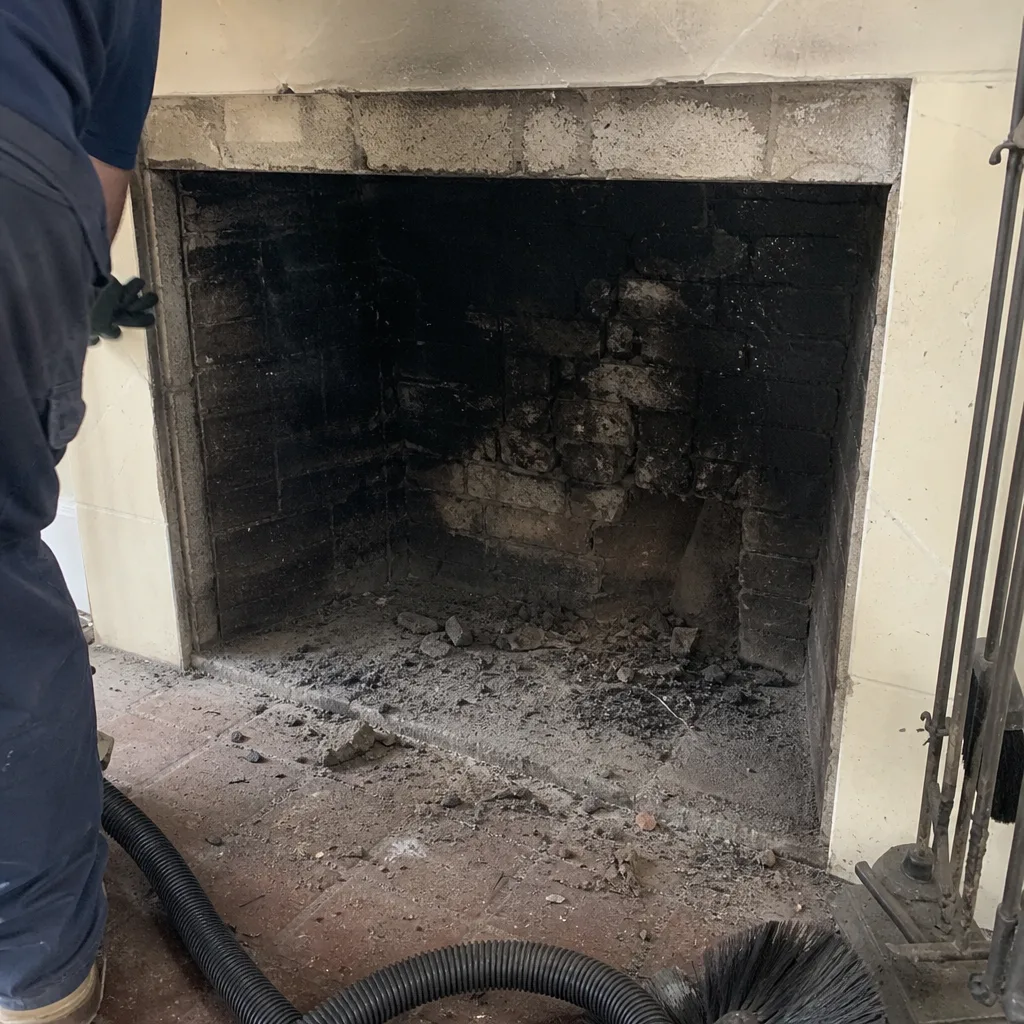 Before
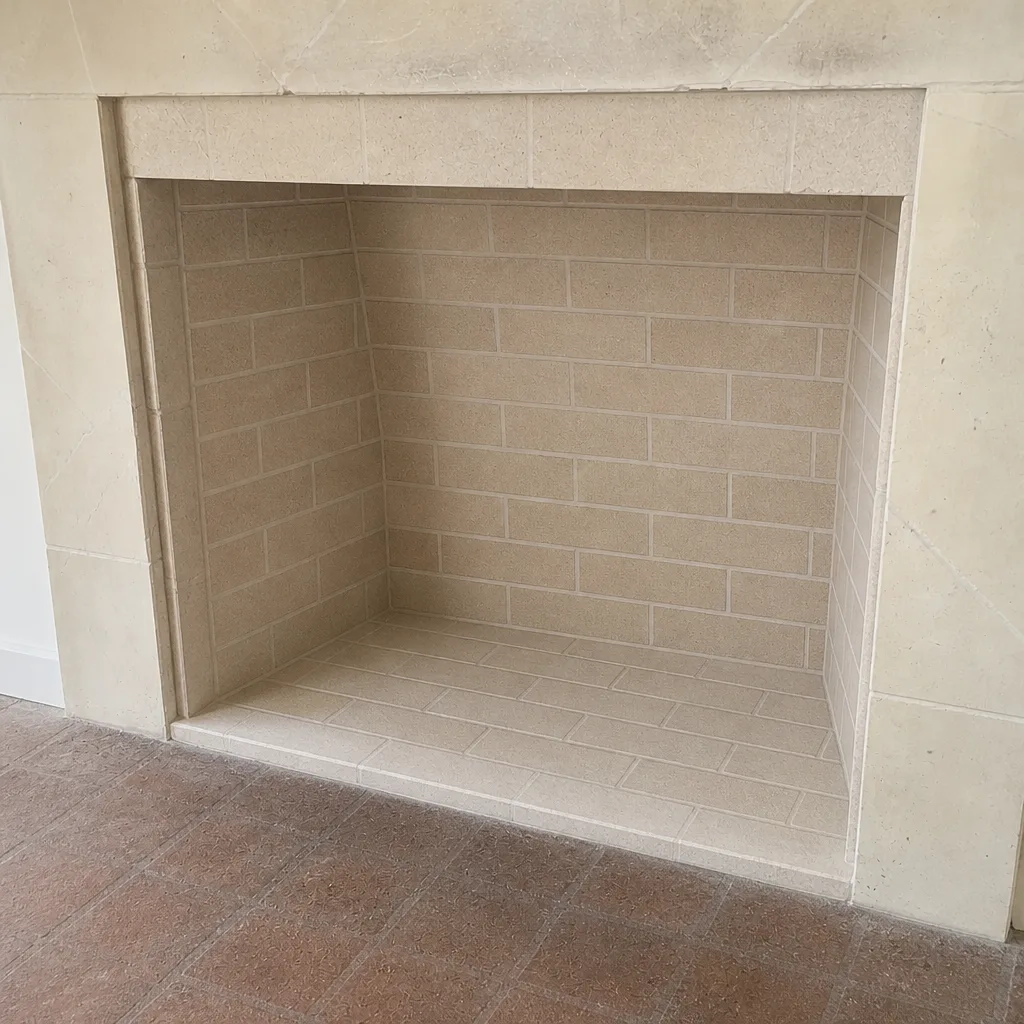 After
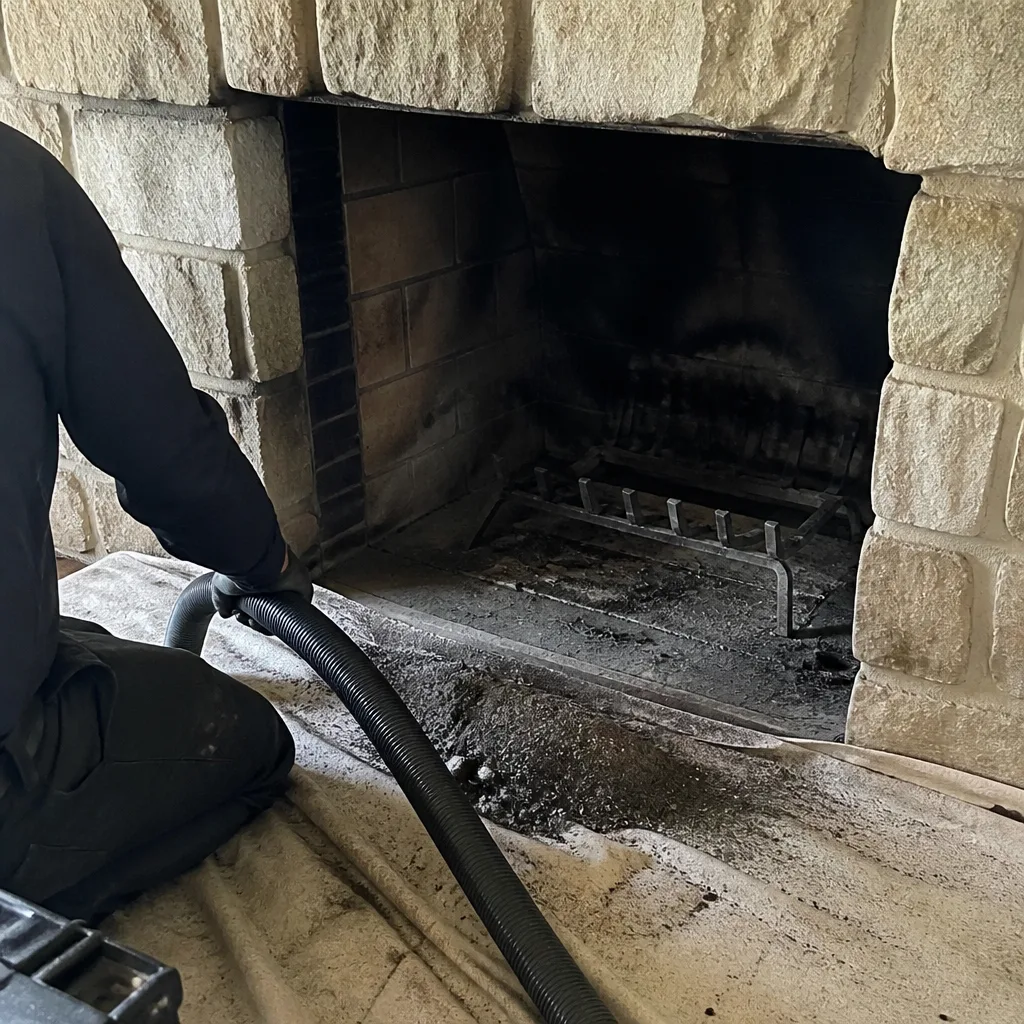 Before
 After
 Before
 After